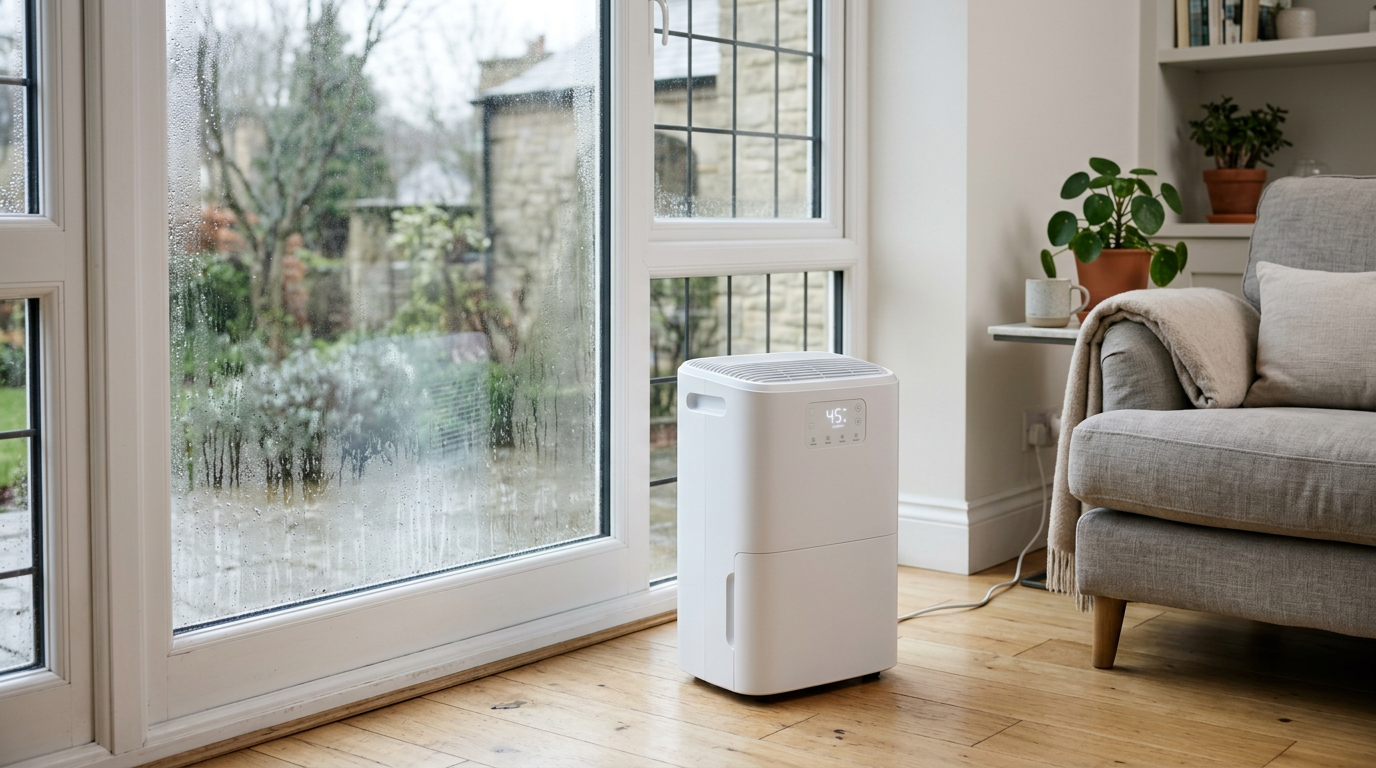
The single most common question I get about dehumidifiers is whether they are going to wreck the electricity bill. It is a fair worry — you are being told to run an appliance for hours a day through the damp months, at a time when energy prices are the thing everyone is watching. The honest answer is that a dehumidifier is one of the cheaper appliances in a British home to run, and in a lot of houses it actually saves money. This guide gives you the real numbers, the maths behind them, and the settings that make the biggest difference.
The short answer
A typical 20L compressor dehumidifier draws around 200W. At the current UK electricity unit rate of roughly 25p per kWh, that works out at about 5p per hour, or £1.05 per day if it somehow ran flat out for 21 hours.
It will not run flat out. Once a room reaches the humidity you have set, the compressor switches off and only the fan keeps ticking over. In practice most homes see the machine running for 4 to 8 hours a day in autumn and winter, which is where the useful figure comes from:
- Light use (4 hours/day): around 20p a day, roughly £6 a month
- Typical use (6 hours/day): around 30p a day, roughly £9 a month
- Heavy use (10 hours/day): around 50p a day, roughly £15 a month
Over a six-month damp season, most households land somewhere between £35 and £90 in total. That is less than a lot of people spend on a single month of heating a spare bedroom they barely use.
How to work out the cost for any model
The maths is simple enough to do on the back of an envelope, and it is worth doing before you buy rather than trusting a marketing claim on the box:
(Wattage ÷ 1000) × hours per day × unit rate in pence = daily cost in pence
So a 165W machine running 6 hours a day at 25p per kWh is (165 ÷ 1000) × 6 × 25 = 24.75p a day, or about £7.40 a month.
The unit rate is the bit that moves. Check what you are actually paying rather than assuming — the standing charge and unit rate under the Ofgem energy price cap change every three months, and if you are on a fixed tariff or a time-of-use tariff your number will be different again. Anyone on an Economy 7 or agile tariff can cut the cost substantially just by running the machine overnight.
Compressor vs desiccant: the cost gap is big
This is the decision that has the largest effect on your running costs, and it is the one most buyers get wrong. A compressor model cools air to condense moisture out of it. A desiccant model uses an internal heater and a moisture-absorbing wheel, and that heater is thirsty.
| Type | Typical wattage | Cost per hour | 6 hours/day for a month |
|---|---|---|---|
| Compressor (12L) | 150–165W | 4p | £6.75 |
| Compressor (20L) | 200–255W | 5–6p | £9.00–£11.50 |
| Desiccant (7–10L) | 500–670W | 12–17p | £22.50–£30.00 |
A desiccant unit costs roughly three times as much to run. That does not make it the wrong choice — in a garage, a caravan or an unheated conservatory a compressor model barely works below 10°C, so a desiccant is the only thing that will shift any water at all. But if the machine is going in a heated bedroom or living room, paying triple for no extra benefit is simply a mistake. Our compressor vs desiccant guide walks through which type suits which room, and if you have narrowed it down to the two biggest UK specialist brands, our Meaco vs EcoAir comparison puts the leading compressor and desiccant flagships head to head.
Why a dehumidifier can save you money
This is the part that gets left out of most articles. Running a dehumidifier is not just a cost — it displaces other, more expensive costs.
Drying laundry indoors
A vented tumble dryer uses somewhere around 2.5 to 4.5 kWh per cycle, which is 60p to £1.15 a load at 25p per kWh. Drying a load on an airer with a dehumidifier running alongside it takes about 3 to 4 hours and costs roughly 15–20p on a compressor model. If you dry four loads a week through the winter that is a saving of £8 to £15 a month, which more or less pays for the dehumidifier's entire running cost. Our guide to the best dehumidifier for drying clothes covers the features and method that dry a load fastest, and our dehumidifier Black Friday deals guide explains when the discounts land and what to look for.
It also stops all that moisture — around two litres per wash load — going into your walls and windows, which is the actual cause of most winter condensation.
Heating a drier room costs less
Damp air feels colder than dry air at the same temperature, and damp walls conduct heat out of your house faster than dry ones. Dropping relative humidity from 70% to 50% typically lets people turn the thermostat down by a degree without feeling any colder. On an average UK gas bill that is worth considerably more than the dehumidifier costs to run.
Not having to fix damp damage
Redecorating a mould-affected bedroom wall, replacing a ruined mattress or treating black mould around window reveals costs hundreds of pounds. The government's guidance for housing providers on the health risks of damp and mould is blunt about how quickly a damp problem escalates once mould is established. Prevention at £9 a month is cheap insurance.
Seven ways to cut your running costs
- Use the humidistat, not continuous mode. Set a target of 50–55% relative humidity and let the machine cycle on and off. Continuous mode runs the compressor permanently and can easily double your bill for no benefit.
- Close the door of the room you are drying. A dehumidifier working on one closed room hits its target in a fraction of the time it takes to fight the whole house at once.
- Buy a bigger tank than you think you need. A 20L model in a normal-sized room reaches the target humidity faster and then idles, which uses less electricity overall than a 10L unit grinding away for twice as long.
- Run it during the day if the room is heated. Compressor efficiency drops sharply in a cold room, so a warm afternoon extracts far more water per kWh than a cold 3am.
- Clean the filter monthly. A clogged filter restricts airflow, which makes the machine run longer for the same result. It takes two minutes under a tap.
- Fix the moisture source first. Extractor fans that actually work, lids on pans, and not drying washing on radiators will cut the dehumidifier's workload more than any setting will.
- Check for a timer or night mode. If you are on a cheaper overnight tariff, a built-in timer lets you shift most of the work into the cheap hours.
Which models are cheapest to run
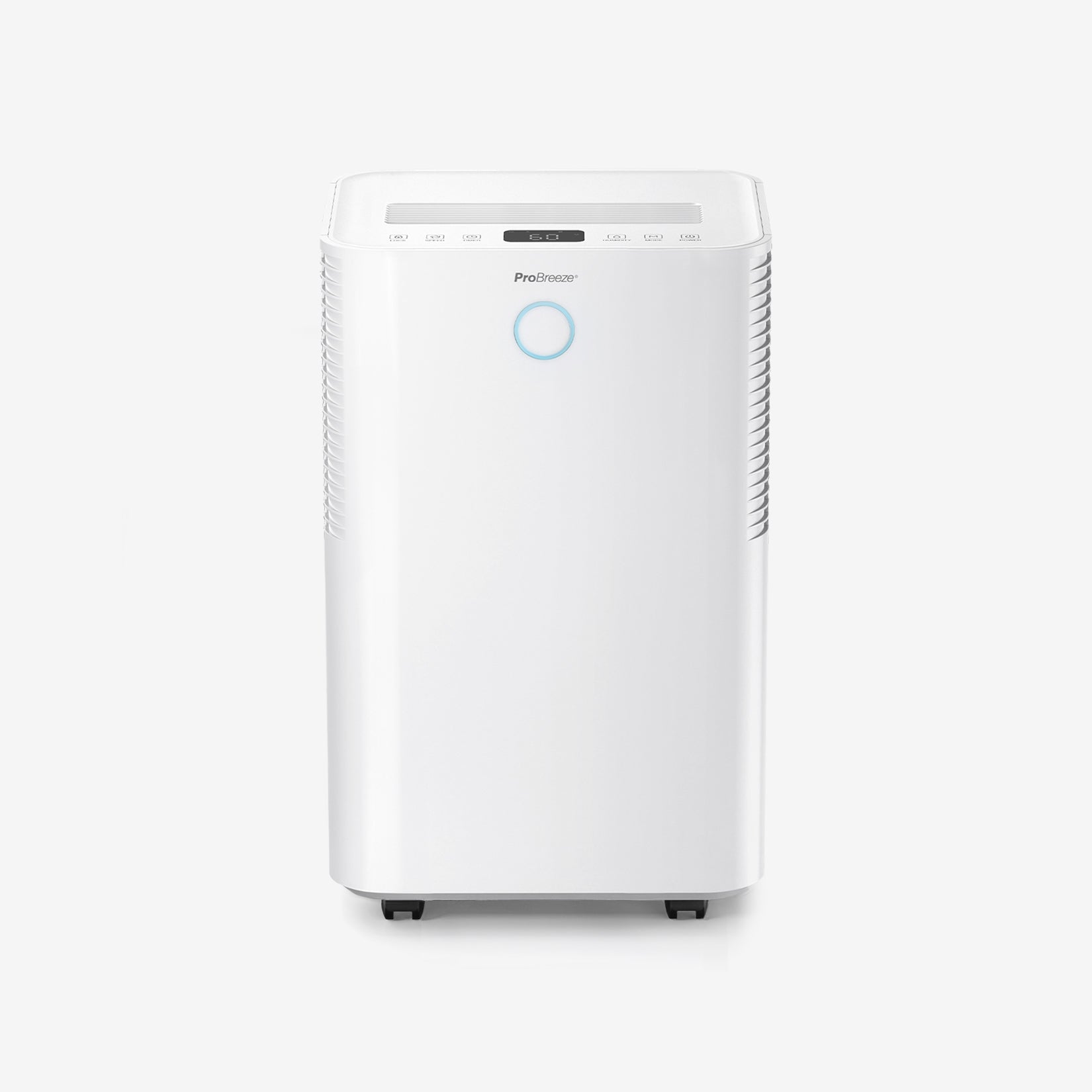
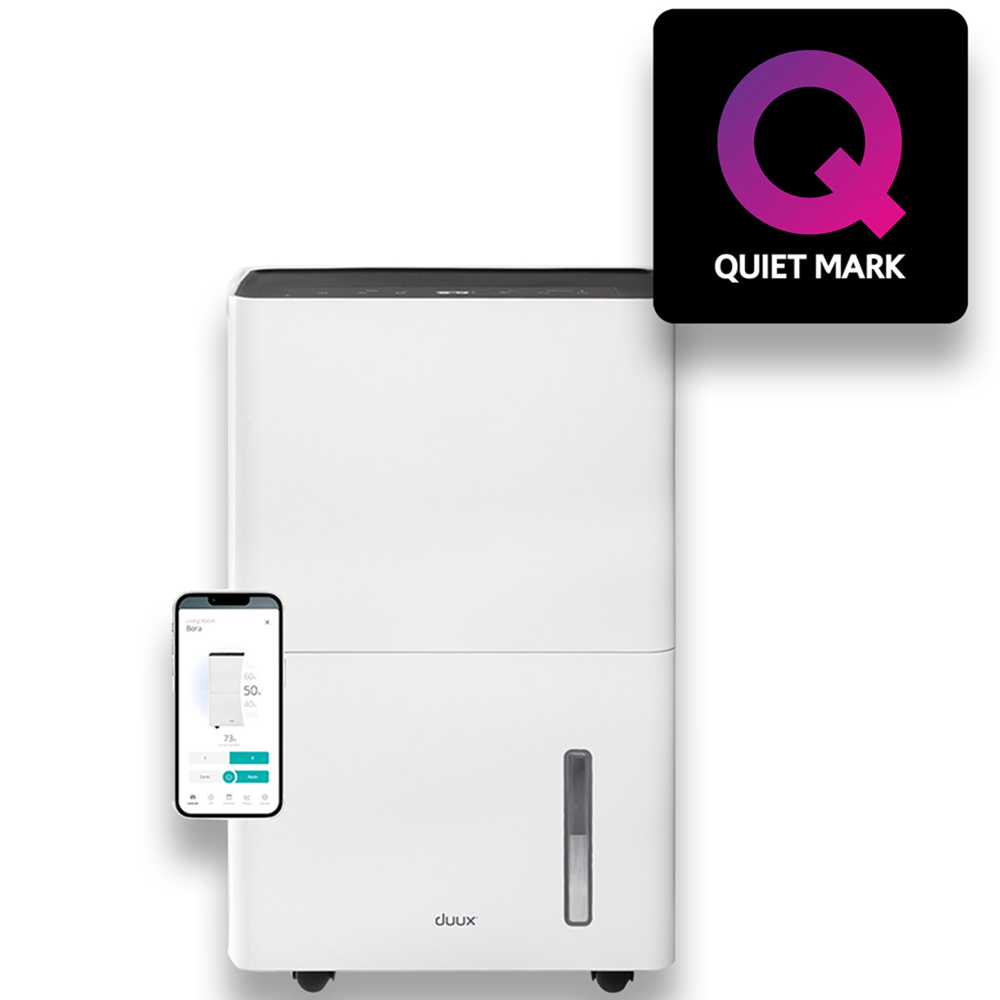
Wattage per litre of extraction is the number that matters, not headline wattage. A machine that draws more power but pulls out far more water can be the cheaper option per litre removed. Among the models we review, the MeacoDry Arete One 20L and the Arete One 12L are the standouts for efficiency, both running a quiet, low-draw compressor with a genuinely accurate humidistat. The Pro Breeze OmniDry 20L and Duux Bora Smart 20L are close behind and add app control, which makes it easier to avoid leaving them running longer than needed.
At the budget end, the Devola 12L and Pro Breeze 12L Compact are cheap to buy and cheap to run, but they will take noticeably longer in a large or badly affected room. If your problem is a cold garage or an unheated outbuilding, the desiccant EcoAir DD3 Classic MK3 or Meaco DD8L Zambezi will cost more per hour but are the only realistic choice. Which? publishes independent lab-measured extraction figures that are worth cross-checking against manufacturer claims.
How it compares to other appliances
| Appliance | Typical draw | Cost per hour |
|---|---|---|
| LED TV | 50–100W | 1–3p |
| Compressor dehumidifier | 150–255W | 4–6p |
| Desktop PC | 200–400W | 5–10p |
| Desiccant dehumidifier | 500–670W | 12–17p |
| Oil-filled radiator | 1,500W | 38p |
| Tumble dryer | 2,500W+ | 63p+ |
| Electric shower | 8,500W | £2.13 |
A compressor dehumidifier sits at the same end of the scale as a games console or a desktop computer. It is nowhere near the electric heaters and tumble dryers people tend to mentally group it with.
The verdict
Budget around £9 a month for a decent compressor dehumidifier used sensibly through a British damp season, and roughly triple that if you genuinely need a desiccant model for a cold space. Set the humidistat to 50–55%, shut the door of the room you are treating, and use it to dry your washing instead of the tumble dryer — do those three things and the machine will very likely cost you nothing on balance, while stopping the condensation and mould that would cost far more to put right.
If you are still deciding whether a dehumidifier will actually solve your problem, our guide to whether a dehumidifier stops condensation and mould covers what it can and cannot fix, and what size dehumidifier you need helps you pick the right capacity. For summer heat rather than winter damp, see portable air conditioner running costs.