Running costs updated 1 October 2026. Every electricity figure on this page is costed at the Ofgem price cap average electricity unit rate of 26.32p per kWh, which applies from 1 October to 31 December 2026. Your own tariff may be higher or lower, so check your latest bill before relying on these numbers.
Quick answer: most UK conservatories go cold in winter, so a desiccant dehumidifier is the safest choice. The EcoAir DD3 Classic MK3 is my pick: 11 litres a day, works from 1°C and has continuous drainage. If your conservatory is heated and used year-round, a 20L compressor such as the MeacoDry Arete One 20L is cheaper to run.
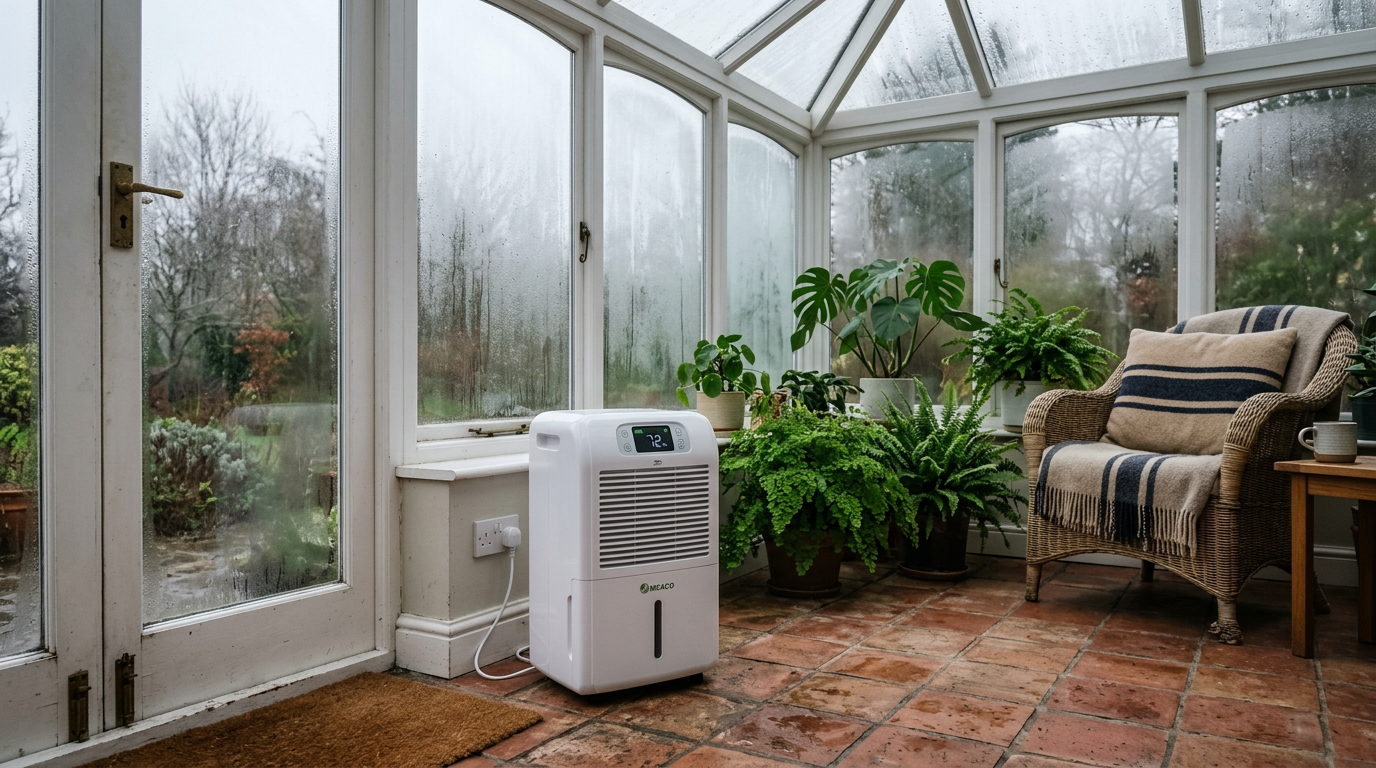
A conservatory is the hardest room in a British house to keep dry. It is mostly glass, so it gets very cold on winter nights, and every surface becomes a condensation magnet. By morning the roof is dripping, the frames are wet and the cushions smell musty. Leave it long enough and you get black mould in the sealant and on the blinds.
The fix is a dehumidifier, but the type matters more here than anywhere else in the house. I cover which type suits which kind of conservatory, the models I would shortlist, and how to set one up so it actually wins.
Why conservatories are different
Three things make a conservatory unusual:
- Temperature swings. A conservatory can be 25°C on a sunny afternoon and 5°C at 4am. Compressor dehumidifiers lose efficiency below about 15°C and struggle near 5°C, which is exactly when condensation forms.
- Huge cold surfaces. Glass and uPVC frames sit at or below the dew point overnight, so even modest humidity condenses on them.
- Moisture from next door. Warm, damp air drifts in from the kitchen and living room and condenses on the glass.
That combination is why I recommend desiccant first for most conservatories. My compressor vs desiccant guide explains the technology in full.
Which type for your conservatory?
| Your conservatory | Type | What I would buy |
|---|---|---|
| Unheated, used mainly in summer | Desiccant | EcoAir DD3 or Meaco DD8L |
| Heated some of the time, cold overnight | Desiccant | EcoAir DD3 |
| Heated, solid roof, used year-round (15°C+) | Compressor, 20L | MeacoDry Arete One 20L or Pro Breeze OmniDry 20L |
The best dehumidifiers for a conservatory
1. EcoAir DD3 Classic MK3: best overall for conservatories
The DD3 is the machine I would put in a typical unheated conservatory. It extracts up to 11 litres a day, keeps working from 1°C, and adjusts its power as the room dries. It has a 4.2L tank and continuous drainage, so you can run a hose to a drain and never empty it. It also has a laundry mode, which makes the conservatory a useful winter drying room. It holds a Which? Best Buy award. Scored 9.2/10 in my EcoAir DD3 review.
2. Meaco DD8L Zambezi: best for a small conservatory or lean-to
For a smaller lean-to or garden room, the Zambezi does the same job for less. It works from 1°C, extracts up to 8 litres a day and has on/off timers, so you can have it clear the glass before you get up. The 3L tank is small, so use continuous drainage if you can. More in my Meaco DD8L review.
3. MeacoDry Arete One 20L: best for a heated conservatory
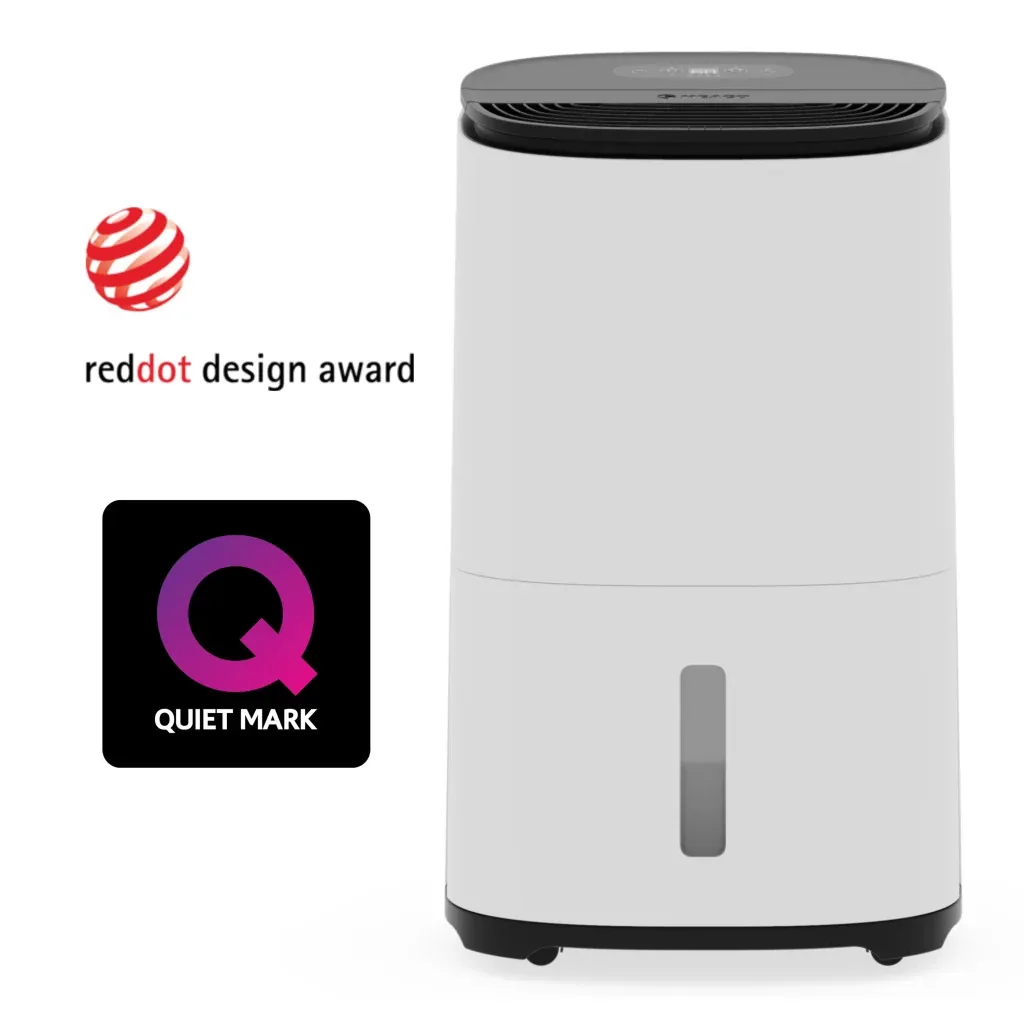
If your conservatory has a solid or insulated roof and stays above 15°C, a compressor is the more economical choice. The Arete One 20L draws 216W (about 5.7p an hour) against 600W for a desiccant, has a 4.8L tank with continuous drainage, a built-in HEPA H13 filter and a 5-year warranty. It is my overall top-rated dehumidifier at 9.5/10. See my Arete One 20L review.
Also consider: Pro Breeze OmniDry 20L
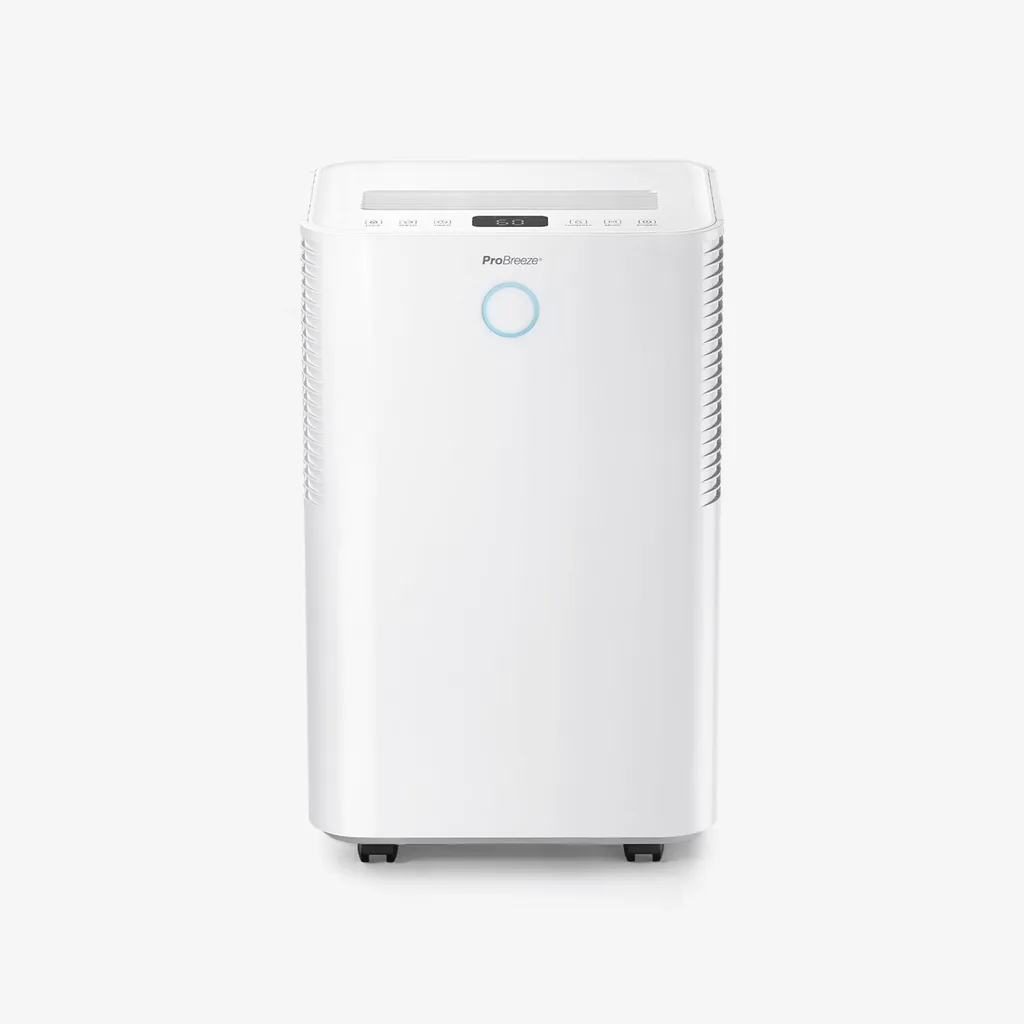
A cheaper compressor alternative for a heated conservatory, with app control so you can check humidity from the house. Rated to work less well below 5°C, like any compressor. Read the OmniDry 20L review.
Running costs
At 26.32p per kWh, a 600W desiccant costs about 15.8p an hour at full power and a 216W compressor about 5.7p. Run a desiccant for six hours a night through the winter and you are looking at roughly 95p a night at full power, though the humidistat will cut that once the glass stops streaming. A compressor in a heated conservatory would be around 34p for the same six hours. My running cost calculator works it out for your own tariff and hours, and the dehumidifier running costs guide explains the maths.
How to set up a dehumidifier in a conservatory
- Close the door to the house. Otherwise you are trying to dry the whole ground floor.
- Use continuous drainage. A conservatory often has an outside drain close by. A hose through a small vent means no tank to empty.
- Put it in the middle, not tucked in a corner. Air needs to circulate across the glass.
- Time it for the coldest hours. Condensation forms in the early morning, so set the timer to run from about 2am until breakfast.
- Set 50–55% humidity. In a cold conservatory you may need to go a little lower to keep the roof clear.
- Do not ignore ventilation. Opening roof vents on dry days is free and helps more than you would expect.
When the problem is the conservatory itself
Water dripping from the roof after rain rather than on cold mornings is a leak, not condensation. Misting between the panes of a double-glazed unit means the seal has failed and the unit needs replacing. A dehumidifier helps with neither. For mould that has already taken hold, see my guide to the best dehumidifier for mould and condensation.
The verdict
For a typical UK conservatory that goes cold at night, buy the EcoAir DD3 Classic MK3. For a small lean-to, the Meaco DD8L Zambezi does the job for less. If yours is heated year-round, the MeacoDry Arete One 20L will cost far less to run. Not sure what size you need? Try my dehumidifier size calculator, or compare all ten models in my best dehumidifiers UK guide.
Dehumidifier and drying guides
By room and problem
- Best dehumidifier for a cold bedroom
- Best quiet dehumidifier for bedrooms
- Best dehumidifier for a 2-bed house
- Best dehumidifier for mould and condensation
Choosing one
- Dehumidifier size calculator
- Compressor vs desiccant dehumidifier
- Dehumidifier buying guide
- Can you leave a dehumidifier on overnight?
Drying clothes for less
- How long a dehumidifier takes to dry clothes
- Dehumidifier vs tumble dryer cost
- Heated airer vs tumble dryer cost
- Do heated airers actually save money?
Not sure what size you need? Try the dehumidifier size calculator.
Frequently Asked Questions
What is the best type of dehumidifier for a conservatory?
For most conservatories, a desiccant model. Conservatories get cold at night, and desiccant dehumidifiers keep working down to about 1°C. A compressor model only makes sense if the conservatory is heated to 15°C or more.
Will a dehumidifier stop condensation in a conservatory?
It will greatly reduce it, especially with the door to the house closed and the machine timed to run in the early morning. It will not fix a leaking roof or a failed double-glazed unit.
What size dehumidifier do I need for a conservatory?
For a typical conservatory, an 8–11L desiccant model is plenty. Desiccant ratings look lower than compressor ones, but they hold their extraction in the cold, where a 20L compressor might manage only a fraction of its rating.
Should I leave a dehumidifier running in my conservatory all the time?
Not at full power. Use the humidistat so it switches off once humidity drops, and the timer so it runs through the coldest hours before dawn. That keeps the glass clear without running all day.
How much does it cost to run a dehumidifier in a conservatory?
A 600W desiccant model costs about 15.8p an hour at 26.32p per kWh; a 216W compressor about 5.7p. Six hours a night is roughly 95p or 34p at full power, usually less once the humidistat kicks in.