Running costs updated 1 October 2026. Every electricity figure on this page is costed at the Ofgem price cap average electricity unit rate of 26.32p per kWh, which applies from 1 October to 31 December 2026. Your own tariff may be higher or lower, so check your latest bill before relying on these numbers.
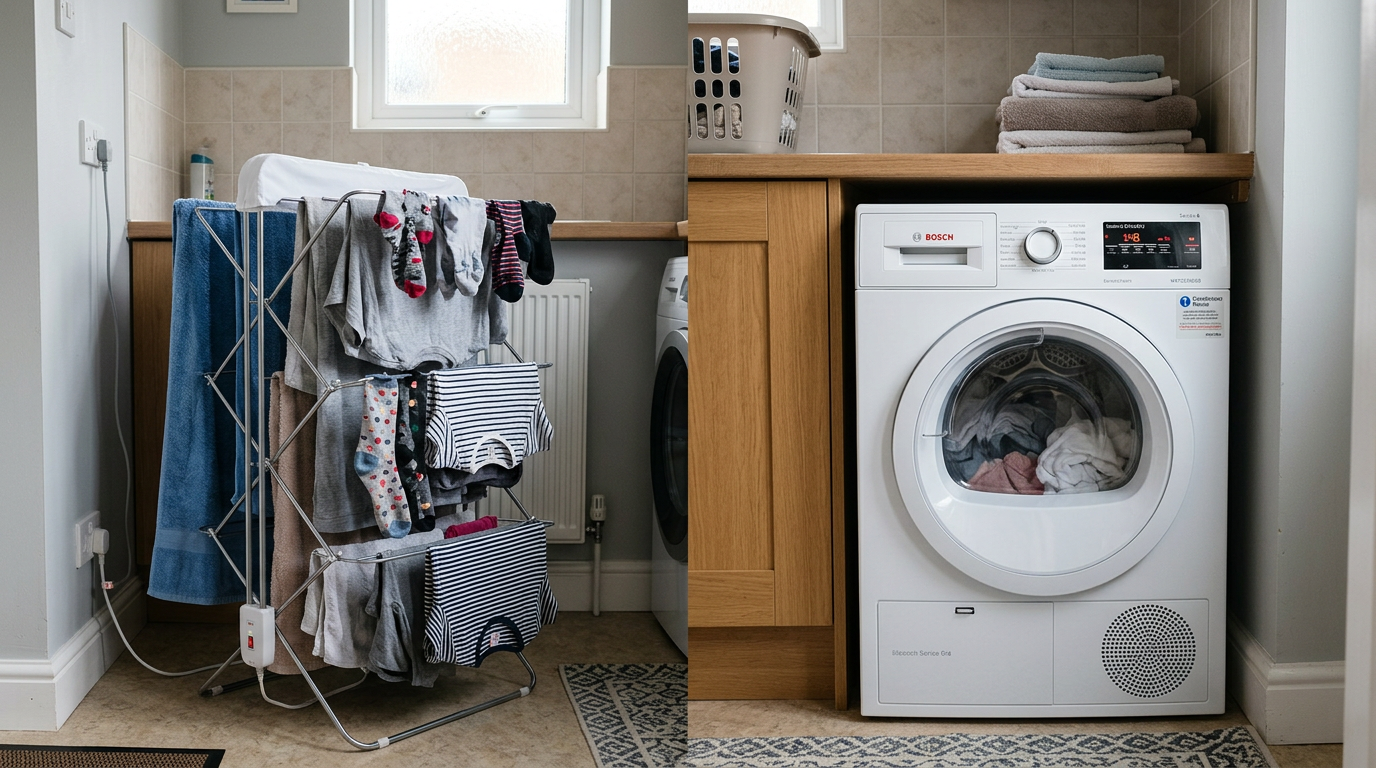
A heated clothes airer costs about 26p to 47p to dry a load. A vented or condenser tumble dryer costs about 66p to £1.18. A heat pump dryer sits between them at roughly 32p to 53p. Those three numbers decide most of this argument - but not all of it, because the dryer does the job in 90 minutes and the airer takes six hours, and for a family of five that difference matters more than the pennies.
The 60-second answer
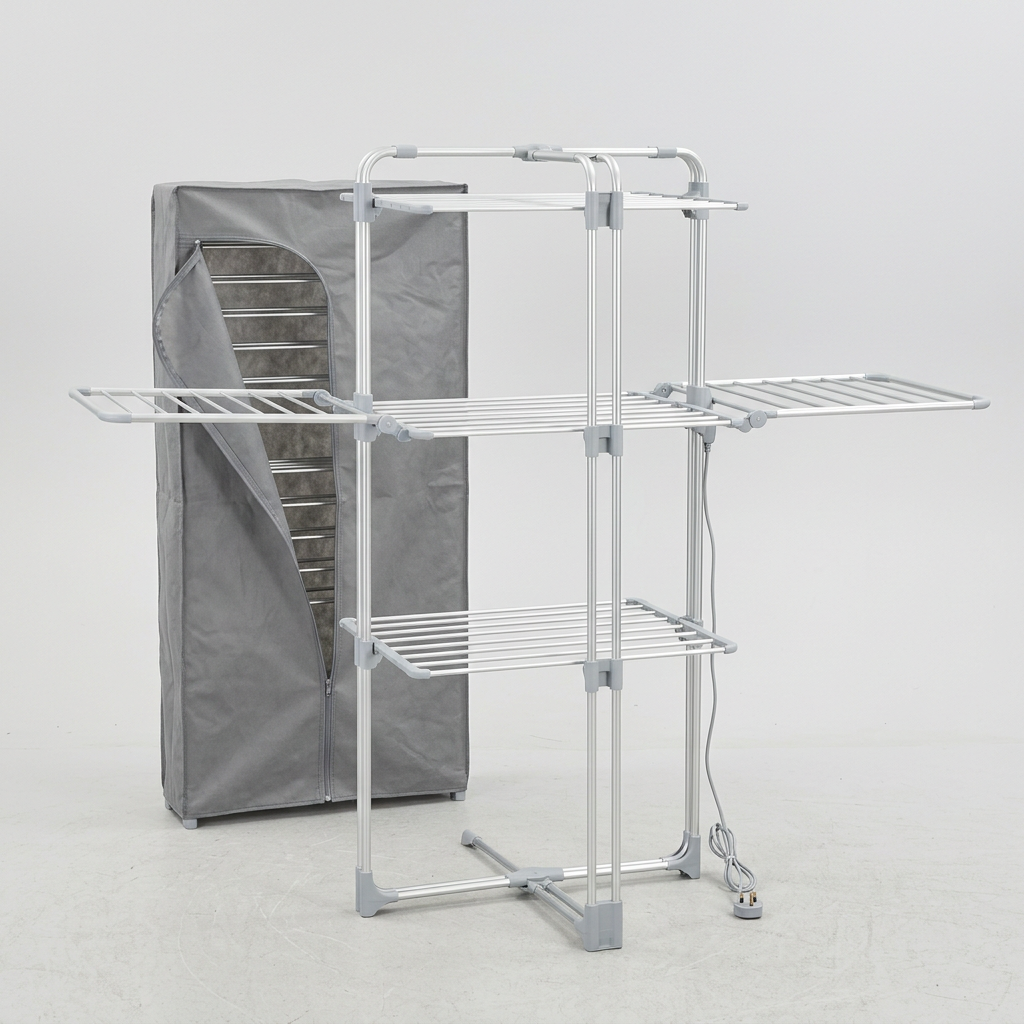
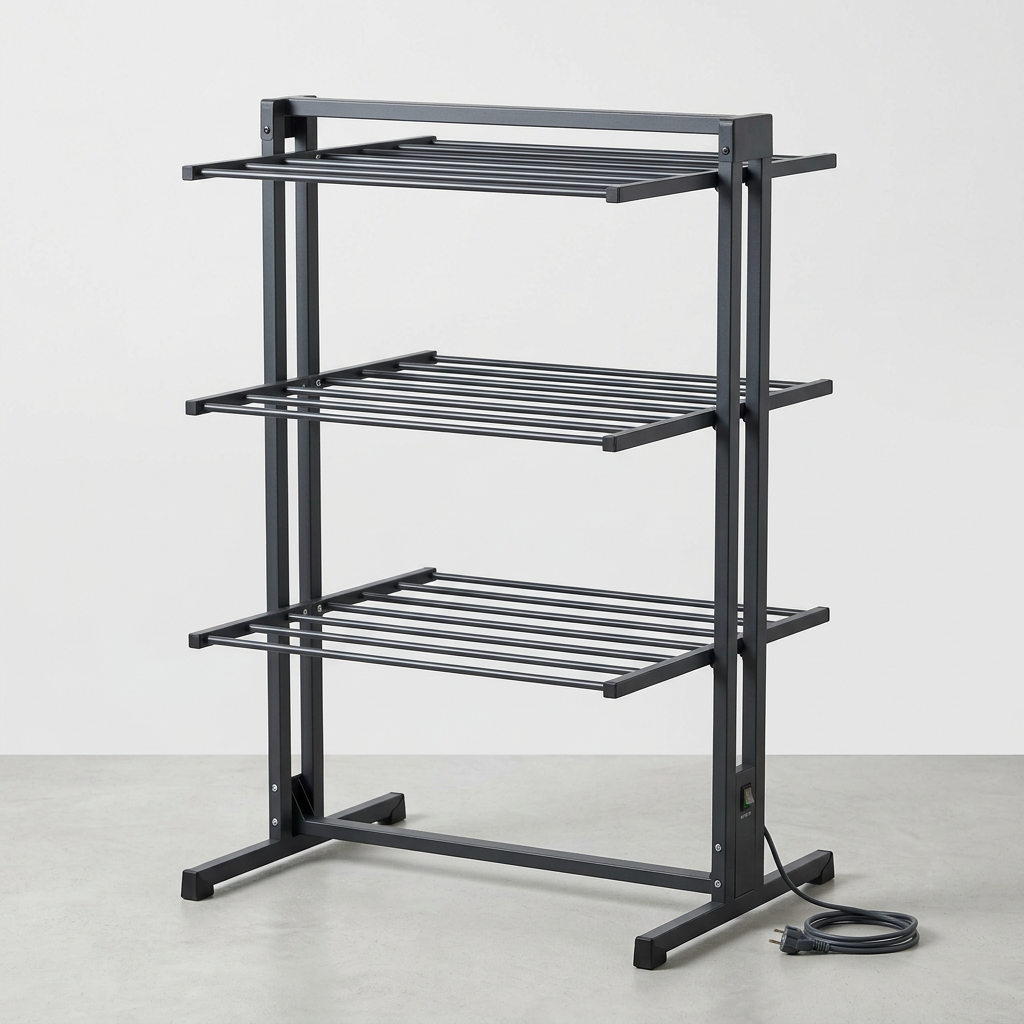
- Buy a heated airer if you have no space or venting for a dryer, you dry one or two loads at a time, you can plan drying the day before you need the clothes, or you are renting.
- Buy a heat pump tumble dryer if you have four or more people in the house, you need clothes back the same day, and you have the floor space and roughly £400-700 to spend.
- Avoid a vented or condenser dryer unless you already own one - they are the most expensive per load by a distance.
- A heated airer plus a compressor dehumidifier costs about 33-50p a load and still undercuts every dryer except the cheapest heat pump cycle.
Cost per load, side by side
All figures use the Ofgem average unit rate of 26.32p per kWh. Dryer energy use varies a lot by model, programme and load size, so these are ranges rather than a single number - check the energy label on the specific model you are considering.
| Method | Typical energy per load | Cost per load | Time per load |
|---|---|---|---|
| Heated airer, 202W compact | 1.0-1.2 kWh | 26-32p | 5-6 hours |
| Heated airer, 300W with cover | 1.2 kWh | 32p | 4 hours |
| Heated airer, 300W uncovered | 1.8 kWh | 47p | 6 hours |
| Heated airer + compressor dehumidifier | 1.3-1.9 kWh | 33-50p | 2-4 hours |
| Heat pump tumble dryer | 1.2-2.0 kWh | 32-53p | 2-3 hours |
| Condenser tumble dryer | 2.5-3.5 kWh | 66-92p | 1.5-2 hours |
| Vented tumble dryer | 3.0-4.5 kWh | 79p-£1.18 | 1.5-2 hours |
What that means over a year
Five loads a week, 52 weeks, at the figures above:
| Method | Cost per year (5 loads a week) |
|---|---|
| Heated airer, 300W with cover | £83 |
| Heated airer, 300W uncovered | £122 |
| Heat pump tumble dryer (mid-range) | £110 |
| Condenser tumble dryer | £205 |
| Vented tumble dryer | £256 |
Two things jump out. First, a modern heat pump dryer is far closer to a heated airer than most people expect - the old assumption that tumble drying is always ruinous belongs to the vented-dryer era. Second, the gap between a covered and an uncovered heated airer (£39 a year) is almost as large as the gap between a covered airer and a heat pump dryer. Technique matters as much as the appliance.
Purchase cost changes the picture
| Method | Typical purchase price | Running cost per year | Total over 5 years |
|---|---|---|---|
| Heated airer (3-tier, with cover) | £90-160 | £83-122 | £505-770 |
| Heat pump tumble dryer | £400-700 | £110 | £950-1,250 |
| Condenser tumble dryer | £250-400 | £205 | £1,275-1,425 |
Over five years the heated airer is clearly cheaper, and that is before you account for the fact that it needs no venting, no plumbing and no permanent floor space. But cost is not the only axis. Prices here are indicative and from our last check - always verify the current price before buying.
Where the tumble dryer genuinely wins
- Speed. Ninety minutes against six hours. If you need a school uniform dry for tomorrow and you started the wash at 8pm, the airer will not have finished.
- Volume. Three or four loads in an evening is routine for a dryer and impossible for an airer.
- Bulky items. Double duvets, thick towels and heavy jeans dry properly in a dryer and sulk on an airer.
- No moisture in the house. Condenser and heat pump dryers collect the water in a tank. An airer puts 1-2 litres into your air - see do heated airers cause condensation.
- Softness. Tumbled towels are fluffier. Air-dried towels are stiffer unless you give them a shake.
Where the heated airer wins
- Cost. Lower to buy and lower to run than anything except a well-used heat pump dryer.
- Space. Most fold to 8-16cm and slide behind a door or under a bed. A dryer needs a permanent 60cm footprint.
- Renting. No venting, no installation, and it comes with you when you move.
- Fabric care. No tumbling means no shrinkage, no bobbling and no heat damage to elastane, wool or print.
- Quiet. Silent, so it can run overnight in a flat without annoying anyone.
The combination most people actually end up with
In practice a lot of UK households use both: the airer for everyday loads, shirts and anything delicate, and the dryer for towels, bedding and emergencies. If you already own a dryer, adding a heated airer is a cheap way to cut your drying bill without giving anything up. If you own neither and have the space, a heat pump dryer plus a cheap airer covers every situation.
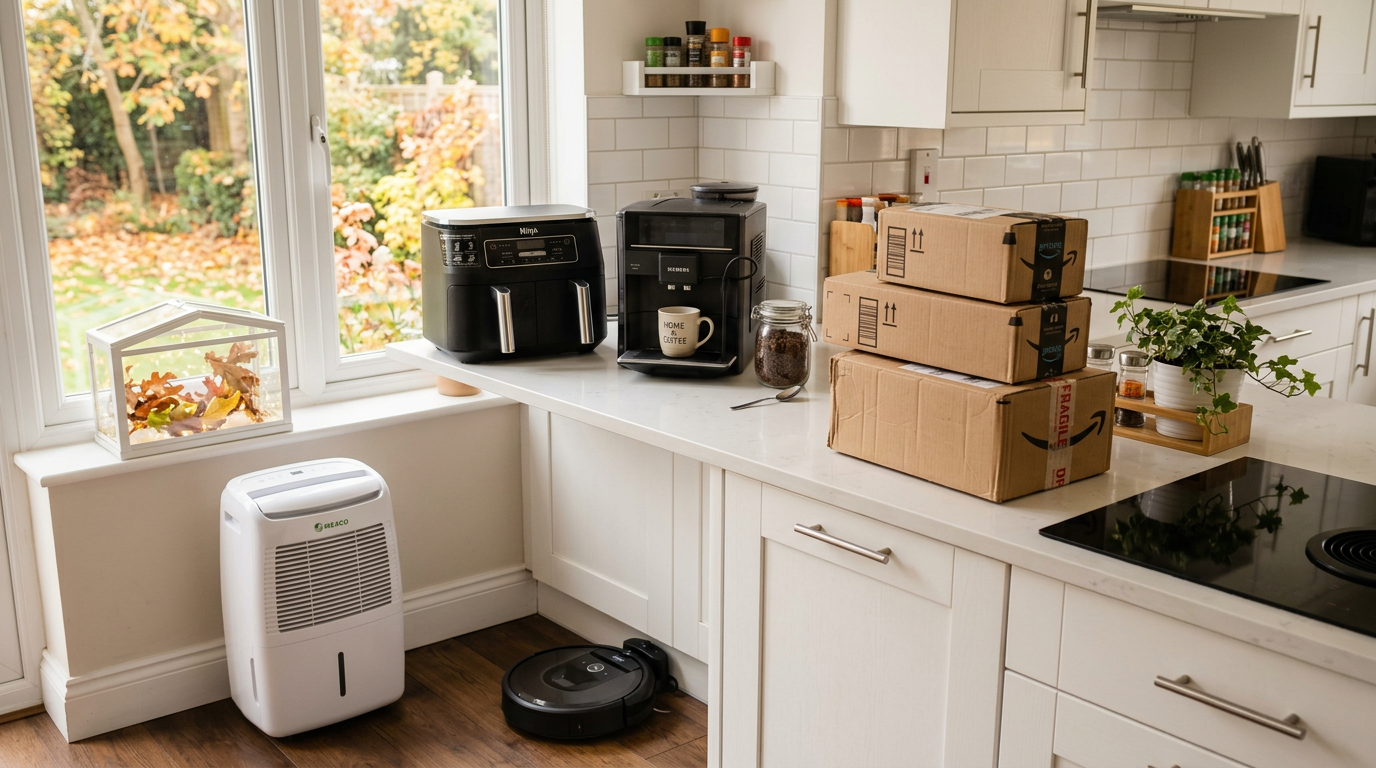
If you are drying indoors in a cold or damp home, the strongest pairing is a heated airer plus a dehumidifier. It costs about the same per load as a heat pump dryer, needs no installation, and the dehumidifier earns its keep for the rest of the year on condensation and damp. Our best dehumidifier for drying clothes guide covers the models with a dedicated laundry mode.
How to choose
- How many loads a week? Under four, the airer is almost always the right answer. Over seven, a dryer will pay for itself in time if not money.
- Do you have 60cm of permanent floor space and a power point? If not, the decision is made for you.
- Can you plan a day ahead? Airers reward people who put a wash on in the morning. They punish 9pm panic.
- Is your home cold or prone to condensation? Budget for a dehumidifier alongside the airer, or lean towards a condenser-style dryer.
- What is your budget today? £60-160 gets you a good airer now. A heat pump dryer is a £400-plus decision.
The bottom line
For most UK households drying one or two loads at a time, a heated airer with a cover is the better buy: a third of the purchase price, a lower bill, no installation, and no risk to delicate fabrics. A heat pump tumble dryer is the right answer for larger families who need clothes back the same day and have the space and budget. The one combination to avoid on cost grounds is an old vented dryer used daily - that is where the £250-a-year figure comes from.
Ready to choose a model? Our heated clothes airer comparison covers eight models on wattage, drying space, tiers, whether a cover and timer are included, folded size and cost per drying session, and heated airer running costs has the full per-hour maths.
Frequently asked questions
Is a heated airer cheaper than a tumble dryer?
Yes in almost every case. A covered 300W heated airer costs around 32p a load against 66p-£1.18 for a vented or condenser dryer. A modern heat pump dryer narrows the gap to 32-53p a load, so the saving there is smaller.
How long does a heated airer take compared with a tumble dryer?
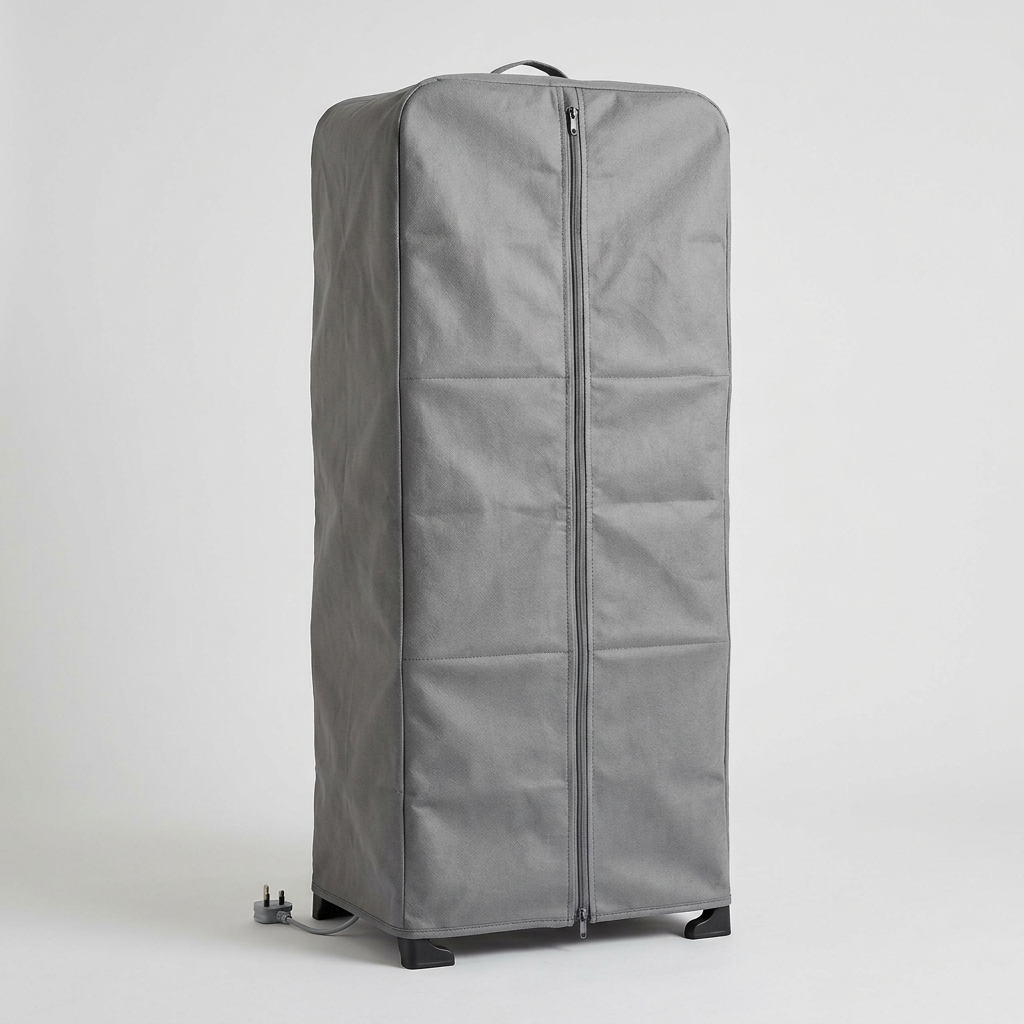
Four to six hours against 90 minutes to three hours. The cover is the biggest lever on airer drying time - it typically takes a run from six hours to four.
Can a heated airer replace a tumble dryer completely?
For one or two people, usually yes. For a family of four or more doing seven-plus loads a week, or anyone who regularly needs same-day drying, it will not keep up on its own.
Do heated airers dry towels and bedding properly?
They will, but slowly, and a double duvet is a stretch for most 3-tier models. A 4-tier airer or a drying pod handles bulky items better. For regular bedding duty a dryer is more practical.
Is a heat pump tumble dryer worth the extra money?
If you dry five or more loads a week, yes - the running cost is roughly half a condenser dryer and it pays back the price difference within a few years. For occasional use the payback is too slow to justify.
Does a heated airer make the house damp?
It releases the 1-2 litres held in the washing into your air, as any indoor drying does. Use a cover, ventilate for ten minutes when the run finishes, and add a dehumidifier in a cold home. See do heated airers cause condensation.
Is it cheaper to run a heated airer with a dehumidifier?
Per load, roughly 33-50p combined - more than the airer alone but less than a condenser dryer, and it dries faster than the airer on its own because dry air absorbs moisture more quickly. It also solves condensation at the same time.
Which uses less electricity, a heated airer or a dehumidifier?
A compressor dehumidifier draws 150-255W (4-7p an hour) against 200-300W for an airer (5.3-7.9p an hour), so the dehumidifier is slightly lower. But they do different jobs: the airer adds heat to the fabric, the dehumidifier removes water from the air. Dehumidifier vs heated airer compares them properly.