Running costs updated 1 October 2026. Every electricity figure on this page is costed at the Ofgem price cap average electricity unit rate of 26.32p per kWh, which applies from 1 October to 31 December 2026. Your own tariff may be higher or lower, so check your latest bill before relying on these numbers.
Short answer: a heated airer does not create moisture, but it does release it faster. A typical washing load holds one to two litres of water, and all of it ends up in your air whether you dry it on a radiator, a plain airer or a heated one. The heated airer simply gets it out of the fabric sooner, which means the moisture arrives in the room in a shorter, more concentrated burst. Whether that turns into condensation on your windows depends on what you do with the air, not on the airer itself.
The 60-second answer
- A heated airer adds no water of its own - the water comes from your washing.
- Drying indoors at all puts roughly 1-2 litres of water into your home per load.
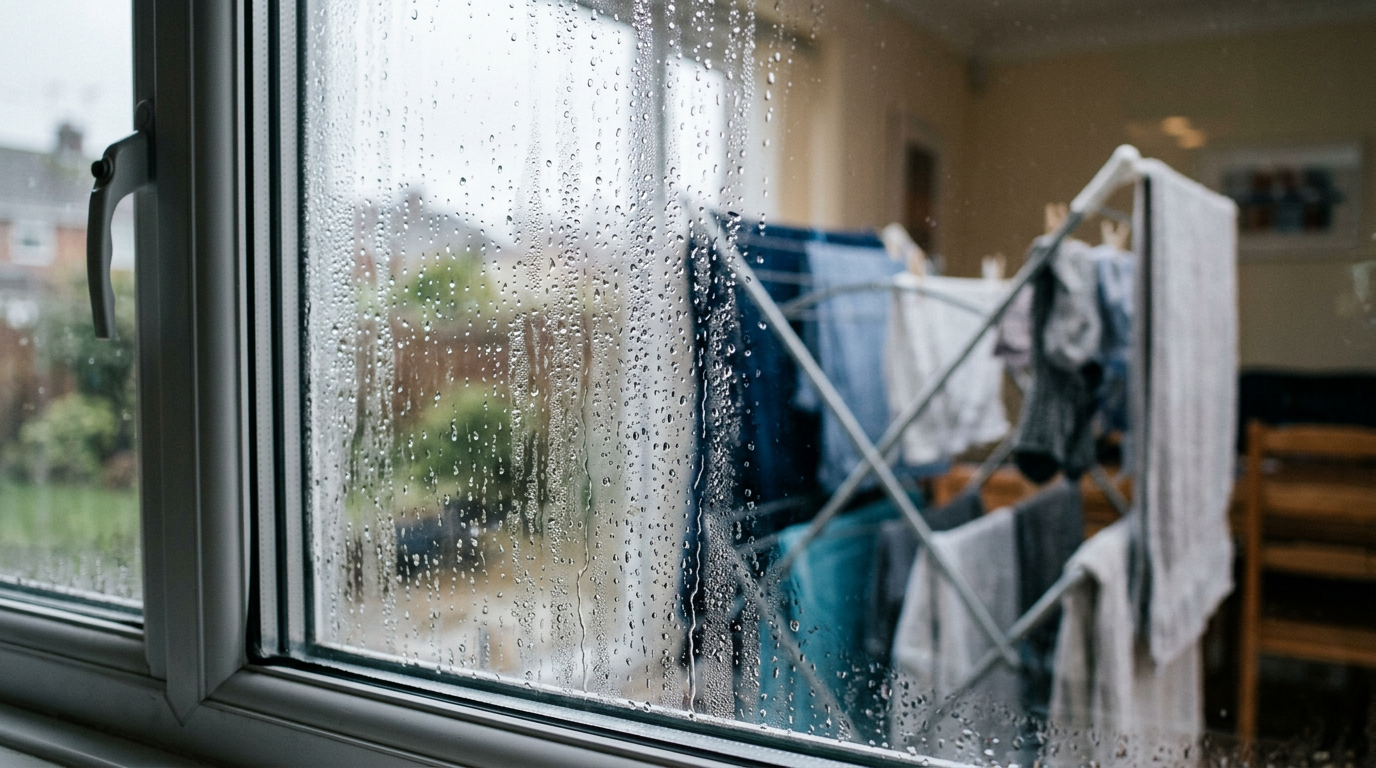
- Condensation forms when warm, damp air meets a cold surface below its dew point - usually single-glazed windows, window reveals, external corners and behind furniture.
- Three fixes work: a cover (traps the vapour), ventilation (removes it) and a dehumidifier (collects it). A cover plus a dehumidifier is the most reliable combination.
- Keeping relative humidity below about 60% is the practical target for avoiding mould growth.
Where the water actually goes
A 7kg load leaves the spin cycle holding somewhere between one and two litres of water, depending on spin speed and fabric. Every millilitre of that has to evaporate into the room before your clothes are dry. There is no way round it short of venting the moisture outside, which is what a vented tumble dryer does and an airer, by definition, does not.
What differs is the rate. A plain airer releases that water slowly over a day or more. A heated airer pushes the same volume out in four to eight hours. The total is identical; the peak humidity is higher with the heated one. That is why people who switch from a plain airer to a heated one sometimes notice more condensation and conclude the heated airer is to blame - it is really the same water arriving faster.
| Drying method | Water released into your home | Typical drying time | Condensation risk |
|---|---|---|---|
| Plain airer, unheated room | 1-2 litres | 24-48 hours | Moderate but prolonged - mould risk is highest here |
| Radiator drying | 1-2 litres | 6-12 hours | High - and it makes your boiler work harder |
| Heated airer, uncovered | 1-2 litres | 5-8 hours | High for a few hours, then clears |
| Heated airer with cover | 1-2 litres | 3-5 hours | Concentrated inside the cover - vent or dehumidify after |
| Heated airer plus dehumidifier | Mostly collected in the tank | 2-4 hours | Low |
| Condenser or heat pump tumble dryer | Collected in the tank | 1.5-3 hours | Low |
Why a cover helps rather than hurts
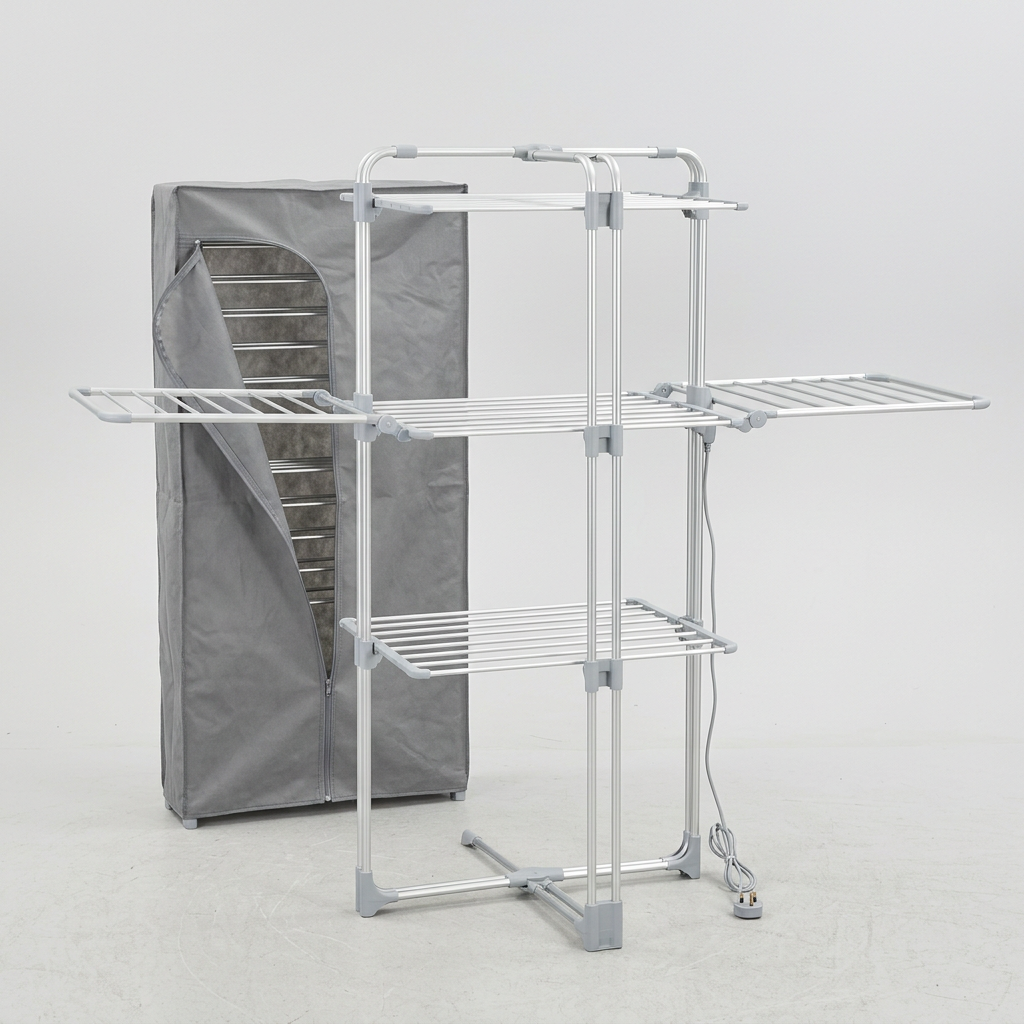
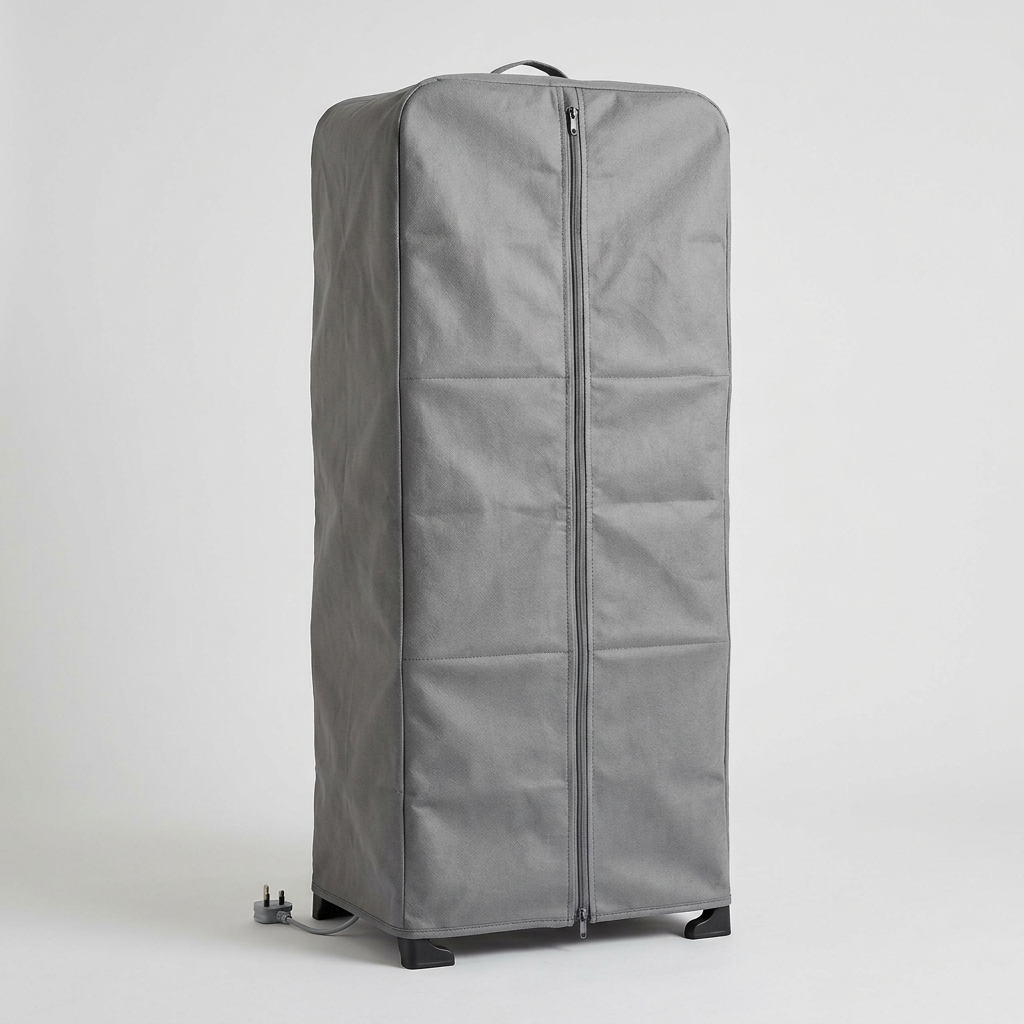
It sounds counter-intuitive: put a cover over the airer and you trap the moisture, so surely the problem gets worse? In practice a cover does two useful things. It raises the temperature around the clothes, which speeds up evaporation and shortens the run - often from six hours to four. And it keeps the humid air in a small volume rather than spreading it round the room, so when you lift the cover off you can open a window for ten minutes and clear most of it in one go.
Uncovered, that same moisture diffuses into the whole room and then into the fabric of the building - plasterboard, soft furnishings, the cold corner behind the wardrobe - where it sits for days. Covered and then vented, it leaves. Several of the models in our heated clothes airer comparison include a cover in the box, which is worth the extra over buying one separately.
Ventilation: the cheapest fix
Ventilation costs nothing but a little heat. The most efficient version is short and sharp: open a window wide for 5-10 minutes rather than leaving it on the latch all day. Air exchanges quickly; the walls and furniture barely cool, so you do not pay to reheat the room. Trickle vents, extractor fans and leaving internal doors open to distribute the moisture across a larger volume all help too.
The one habit to avoid is drying washing in a closed bedroom overnight with the door shut. That is the classic recipe for streaming windows at 7am and black spotting on the reveal by February.
When you need a dehumidifier instead
If your home is cold, poorly ventilated, or you are drying several loads a week through winter, a dehumidifier is the proper solution. It removes the water rather than relocating it, and running one alongside a heated airer typically cuts the drying time further because dry air absorbs moisture faster.
A compressor dehumidifier draws roughly 150-255W, which is 4-7p an hour at 26.32p per kWh. A desiccant model draws 500-670W, or 13-18p an hour, but works better in rooms below about 15°C. Running a 300W airer and a compressor dehumidifier together for three hours costs around 33p - still well under a tumble dryer cycle. Our dehumidifier running costs guide breaks this down properly, and compressor vs desiccant covers which type suits a cold utility room or garage.
If you are weighing one appliance against the other rather than using both, read dehumidifier vs heated airer.
Spotting the warning signs early
- Streaming windows in the morning - the air is holding more moisture than the glass temperature allows. Wipe it and improve ventilation before it soaks into the frames.
- A musty smell - usually means moisture is sitting in soft furnishings or carpet, not just in the air.
- Black spotting in corners or behind furniture - this is mould, and it needs the humidity brought down, not just cleaning off.
- Washing still damp after eight hours - the room has reached a humidity level where evaporation has effectively stalled. Ventilate or dehumidify.
A cheap hygrometer (around £10) takes the guesswork out of all of this. Aim to keep relative humidity between 40% and 60%. The NHS guidance on damp and mould is worth reading if anyone in the house has asthma or a respiratory condition, and your landlord has legal duties under the government’s damp and mould guidance for rented housing if you rent.
A workable routine
- Spin the load at the highest speed the fabric allows - every extra 400rpm removes meaningful water before the airer ever switches on.
- Space the garments out; overlapping fabric is the main cause of a run dragging past eight hours.
- Put the cover on and set a timer for four hours.
- If you have a dehumidifier, run it in the same room with the door shut.
- When the airer switches off, take the cover off and open a window wide for ten minutes.
- Check the window reveals and the coldest corner of the room once a week through winter.
The bottom line
Heated airers do not cause condensation; drying washing indoors does. The airer is actually the better-behaved option because it concentrates the moisture release into a few hours you can plan around, rather than letting it seep out over two days. Use a cover, ventilate properly when the run finishes, and add a dehumidifier if your home is cold or your window reveals are damp by November. If you are choosing a model, our heated clothes airer comparison lists wattage, drying space and whether a cover is included.
Frequently asked questions
Do heated clothes airers cause damp and mould?
Not on their own. The moisture comes from the washing, not the appliance. Mould appears when that moisture is allowed to settle on cold surfaces repeatedly without ventilation. A cover, a ten-minute window opening after each run and a dehumidifier in cold homes will prevent it.
Is a heated airer better or worse than drying on radiators?
Better. Radiator drying releases the same water, blocks the heat output into the room so your heating runs longer, and can push a wet-wall problem into the plaster behind the radiator. A heated airer uses less energy than running central heating for the same purpose and finishes faster.
Should I open a window while the heated airer is running?
A little trickle ventilation helps, but opening a window wide during the run lets in cold air and lengthens the drying time. The more efficient approach is to keep the room closed with a cover on, then purge-ventilate for 5-10 minutes once the airer switches off.
Does using a cover make condensation worse?
No - it generally makes it easier to manage. The cover holds the humid air in a small volume and shortens the run, so you can vent it in one go instead of letting it spread through the room for six hours.
What humidity level should I aim for?
Between 40% and 60% relative humidity. Above 60% sustained, mould spores can germinate on cold surfaces. A £10 hygrometer is the cheapest useful thing you can buy if you dry washing indoors regularly.
Do I need a dehumidifier as well as a heated airer?
Only if your home is cold, badly ventilated, or you dry several loads a week in winter. In a warm, well-ventilated flat a cover and a window are usually enough. See dehumidifier vs heated airer for the full comparison.
How much water does one load of washing put into my home?
Roughly one to two litres after a normal spin. A faster spin removes more, which is why spin speed is the single cheapest way to shorten a drying run.
Which room should I dry washing in?
A room you can close off and ventilate - a utility, bathroom or spare room is ideal. Avoid a bedroom with the door shut overnight, which is the most common cause of condensation on bedroom windows and mould on the reveals.