When the washing line is out of action for months on end, most British households end up choosing between two indoor drying tools: a heated airer or a dehumidifier. They both promise dry clothes without a tumble dryer's electricity bill, but they work in completely different ways — and the one that suits you depends far more on your home than on which is "best" in the abstract. This guide compares them honestly on cost, speed, drying results and what each one does to the damp in your home, so you can pick the right tool rather than the most-hyped one.
How each one actually works
A heated airer is essentially a clothes horse with warm bars. It gently heats the garments draped over it, encouraging the water to evaporate. It puts heat into the clothes but does nothing with the moisture once it leaves the fabric — that water goes straight into the room's air.
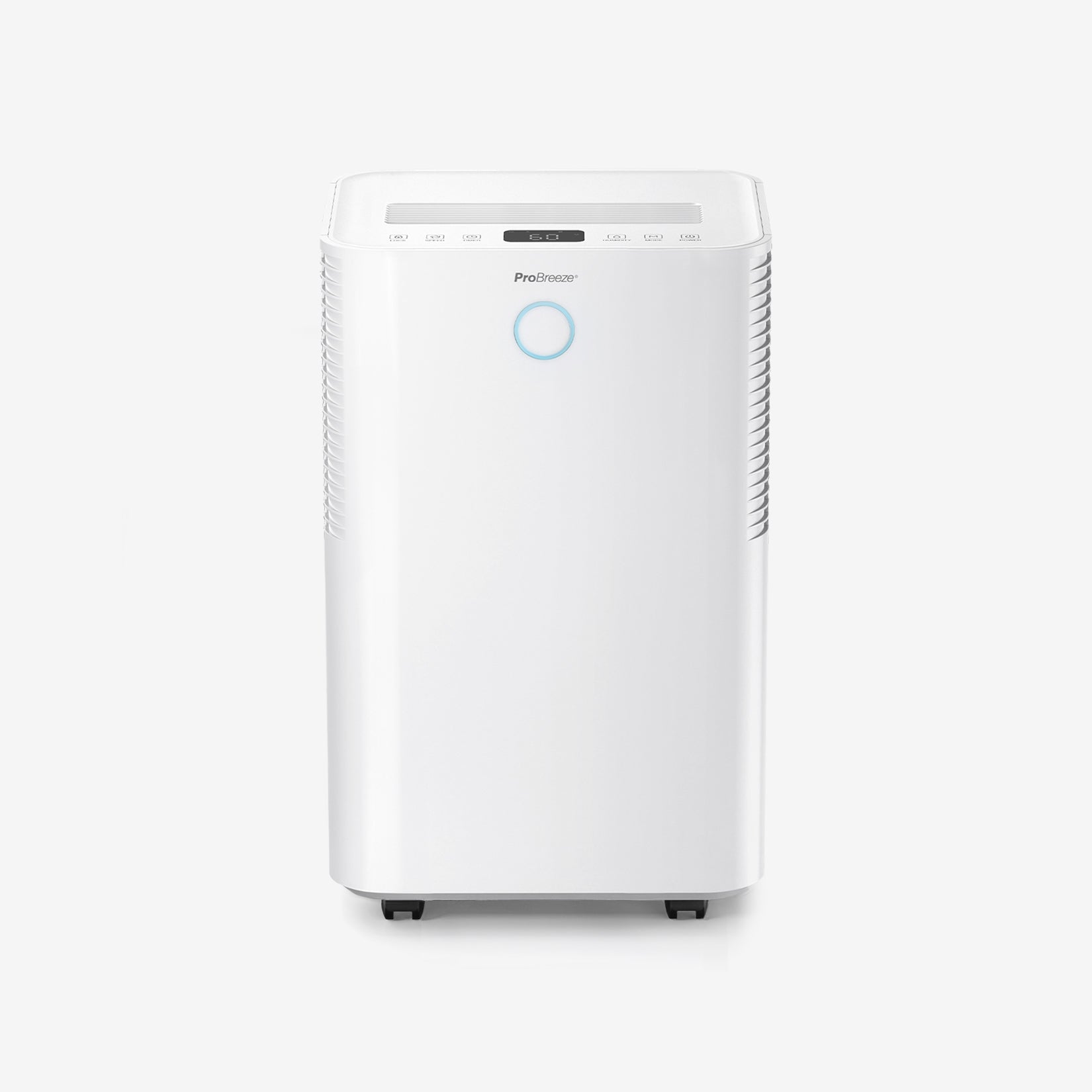
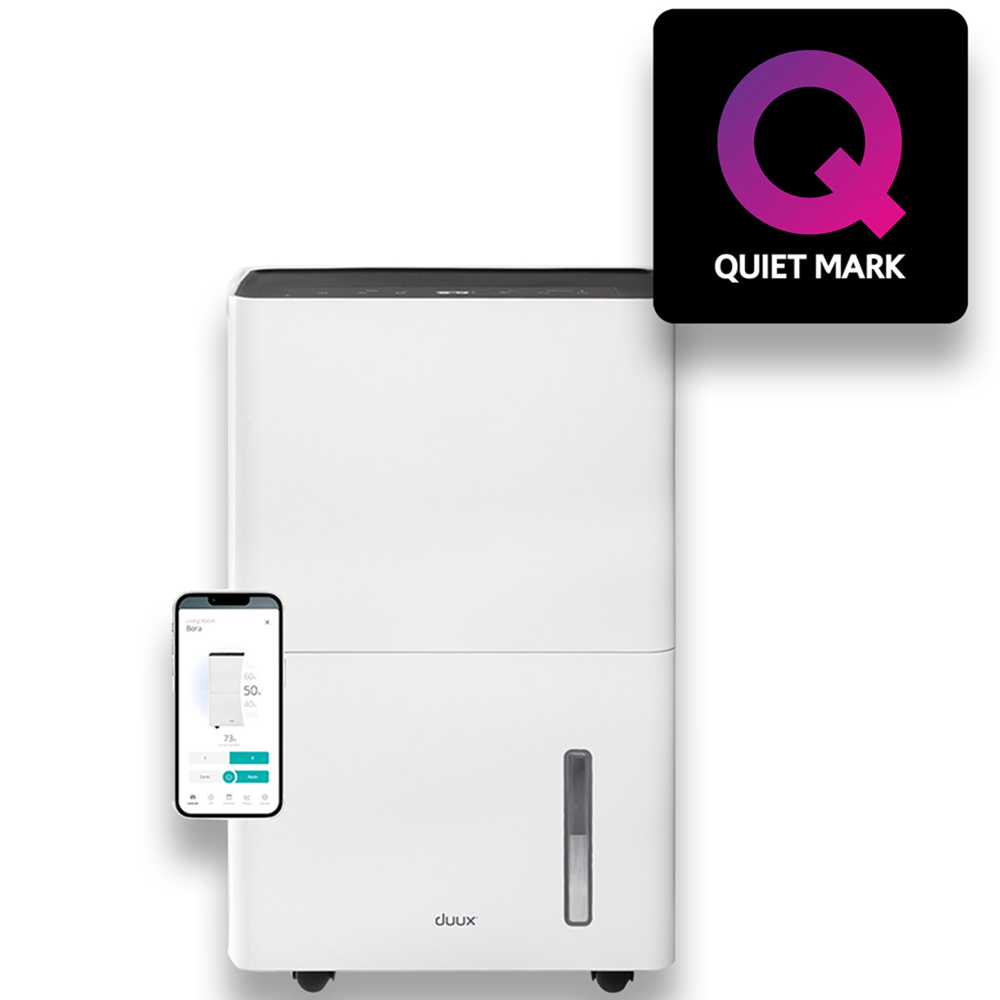
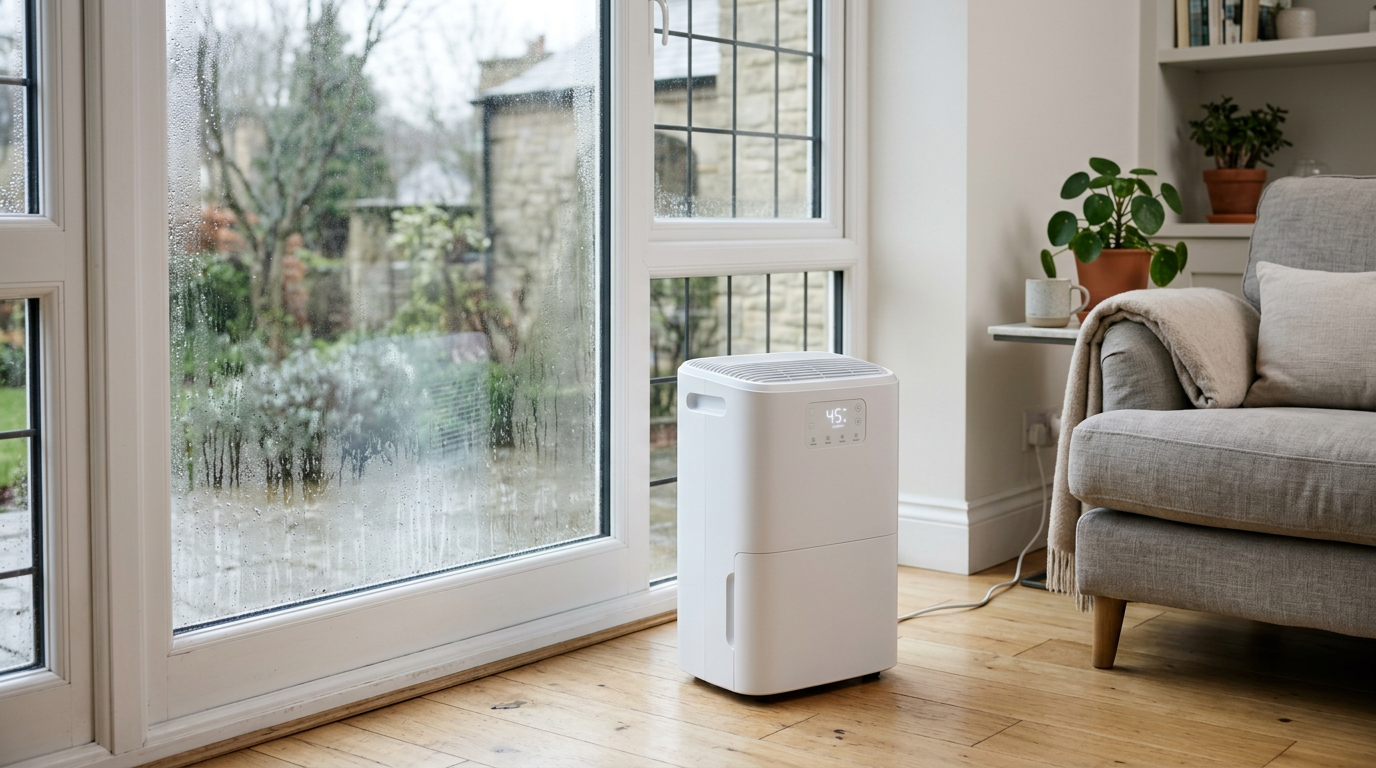
A dehumidifier works the opposite way round. It does not heat the clothes at all; instead it keeps the surrounding air dry and thirsty, so moisture is drawn out of the washing quickly and collected in a tank. The clothes dry because the air around them never gets saturated. Crucially, the water ends up in the machine rather than on your walls and windows. That single difference is the heart of this comparison.
Running cost: closer than you would think
Both are far cheaper than a vented or condenser tumble dryer, which typically costs 49p to £1.24 a load. Here is how the two indoor methods stack up per load at current UK electricity rates.
| Method | Typical power draw | Cost per load | Notes |
|---|---|---|---|
| Heated airer | 200–300W | 25p – 37p | Cheap to buy, no moisture control |
| Dehumidifier (compressor) + airer | 130–350W | 16p – 74p | Removes damp from the whole room |
| Vented / condenser tumble dryer | 2,000–2,500W | 49p – £1.24 | Fast but expensive |
On a straight per-load basis a heated airer is usually the cheaper of the two, especially the low-wattage models, and a well-run compressor dehumidifier is not far behind. The unit rate you actually pay under the Ofgem energy price cap shifts these numbers, so check your own tariff before assuming. But cost is only half the story — because the dehumidifier is doing a second job at the same time.
The moisture problem the heated airer ignores
This is where the two tools genuinely part company. A single wash load releases around two litres of water as it dries. A heated airer speeds that evaporation up — but every drop of it goes into your room's air. Dry your washing on a heated airer in a closed bedroom and you can push humidity to 70–80%, which is exactly the condition black mould and dust mites need to take hold on your windows and walls.
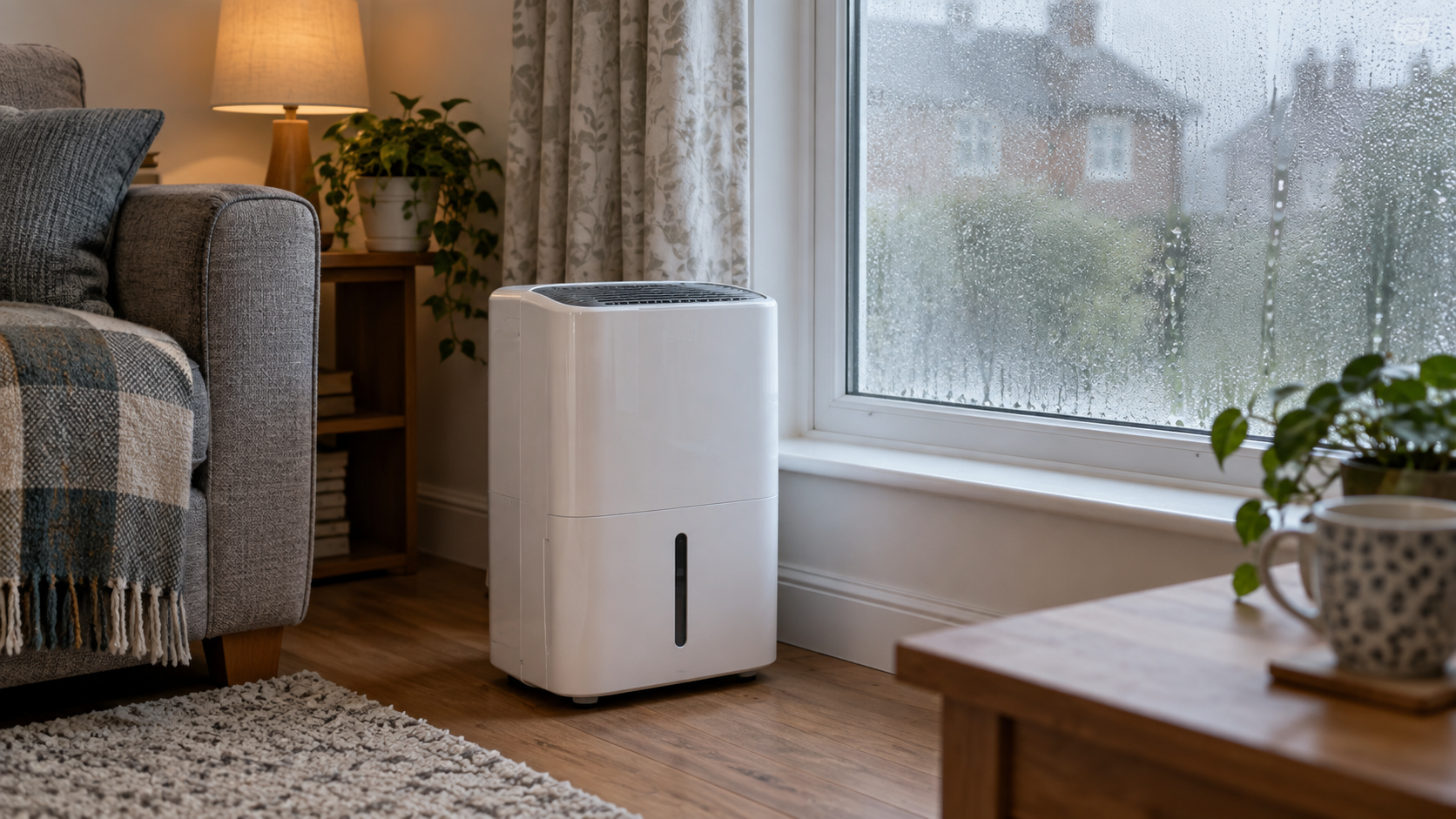
A dehumidifier captures that same two litres in its tank instead of letting it loose in the house. So while the heated airer can be marginally cheaper to run, it can cost you far more in condensation, peeling paint and mould treatment down the line. If damp is already a problem in your home, that tips the balance heavily. Our guide on whether a dehumidifier will stop condensation and mould covers this in depth.
Speed and drying results
A heated airer is slow and steady — thick items like jeans, towels and hoodies can take most of a day, and anything not touching a warm bar dries slowly. Covering it with the supplied cover (or a sheet) traps the heat and speeds things up noticeably, but it also concentrates all that moisture, so ventilation becomes essential.
A dehumidifier in a small, closed room with the airflow aimed at the airer typically gets a load dry in three to six hours, and thick items dry more evenly because the whole room is drying, not just the bars in direct contact. For getting a full load ready by morning, the dehumidifier is generally the more reliable performer.
The best-of-both-worlds trick
You do not always have to choose. Plenty of households run a heated airer and a dehumidifier together in one closed room: the airer feeds heat into the clothes while the dehumidifier whisks the moisture away before it can settle. It is the fastest indoor method short of a tumble dryer, dries thick items evenly, and keeps the room's humidity under control. The combined running cost is still comfortably below a tumble dryer for most loads.
Which should you buy?
| Your situation | Better choice |
|---|---|
| Home already prone to condensation or mould | Dehumidifier |
| Cheapest possible upfront cost, no damp issues | Heated airer |
| Need a full load dry by morning | Dehumidifier (or both together) |
| You also want year-round damp control | Dehumidifier |
| Small flat, occasional light drying only | Heated airer |
| Drying in a cold, unheated room | Desiccant dehumidifier |
If your only goal is drying the odd load as cheaply as possible and your home stays dry, a heated airer is a sensible, low-cost buy. But for most UK homes — where winter condensation is a real and recurring problem — a dehumidifier is the better all-rounder because it dries clothes and protects the house, all year round rather than just on wash days. For choosing the right unit, see our guide to the best dehumidifier for drying clothes, and if you are weighing up the machine's electricity use, our dehumidifier running costs guide has the full figures. Still deciding between the two main dehumidifier types? Our compressor vs desiccant comparison will help.
Frequently asked questions
Is a dehumidifier or a heated airer cheaper to run?
Per load, a low-wattage heated airer is usually slightly cheaper than a dehumidifier, and both cost far less than a tumble dryer. The dehumidifier's advantage is that it also removes damp from the whole room, which a heated airer does not.
Does a heated airer cause damp or condensation?
It can. A heated airer speeds up evaporation but releases all that moisture — around two litres per load — into the room's air. In a poorly ventilated space that raises humidity and can trigger condensation and mould. Ventilate the room or pair it with a dehumidifier to avoid this.
Can I use a heated airer and a dehumidifier together?
Yes, and it is the most effective indoor method short of a tumble dryer. The airer heats the clothes while the dehumidifier removes the moisture, drying a load quickly and evenly while keeping room humidity under control.
Which dries clothes faster?
A dehumidifier in a small closed room usually dries a load in three to six hours and handles thick items more evenly. A heated airer is slower, especially for jeans and towels, unless it is covered to trap the heat.
Which is better for a damp home?
A dehumidifier, without question. It captures the moisture your washing gives off rather than adding it to the air, so it dries clothes and helps prevent the condensation and mould that damp homes are prone to.