Running costs updated 1 October 2026. Every electricity figure on this page is costed at the Ofgem price cap average electricity unit rate of 26.32p per kWh, which applies from 1 October to 31 December 2026. Your own tariff may be higher or lower, so check your latest bill before relying on these numbers.
Heated clothes airers sell in huge numbers every autumn, and they are just as often sold on again in spring. The reason is simple: they are excellent at one job and poor at several others. This guide looks at the three things that decide whether one is worth it for you: the cost, the speed and the faff.
The short answer
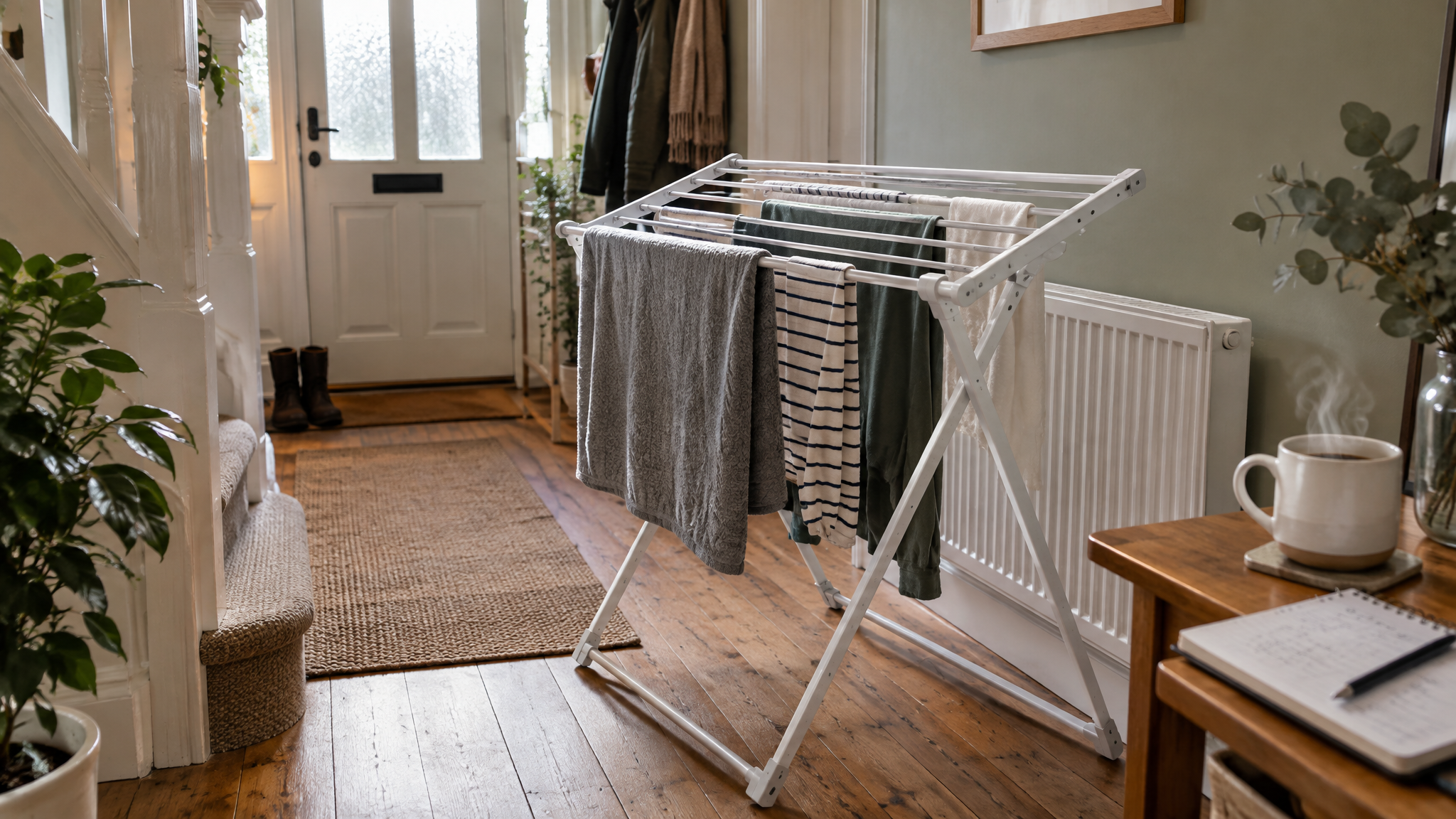
A heated airer is worth it if you dry washing indoors through the winter, have no tumble dryer (or want to stop using one), and can put the airer somewhere ventilated. It is not worth it if you need a large family load dry in two hours, or if your home already has condensation and you will not add ventilation or a dehumidifier.
| Factor | Heated airer | What it means for you |
|---|---|---|
| Cost per load | About 32-47p (300W, 4-6 hours) | Cheaper than a conventional tumble dryer, which typically costs 66p to £1.18 a load |
| Speed | Roughly 4-8 hours uncovered, often 3-5 with a cover | Overnight or a working day. Not a same-hour fix |
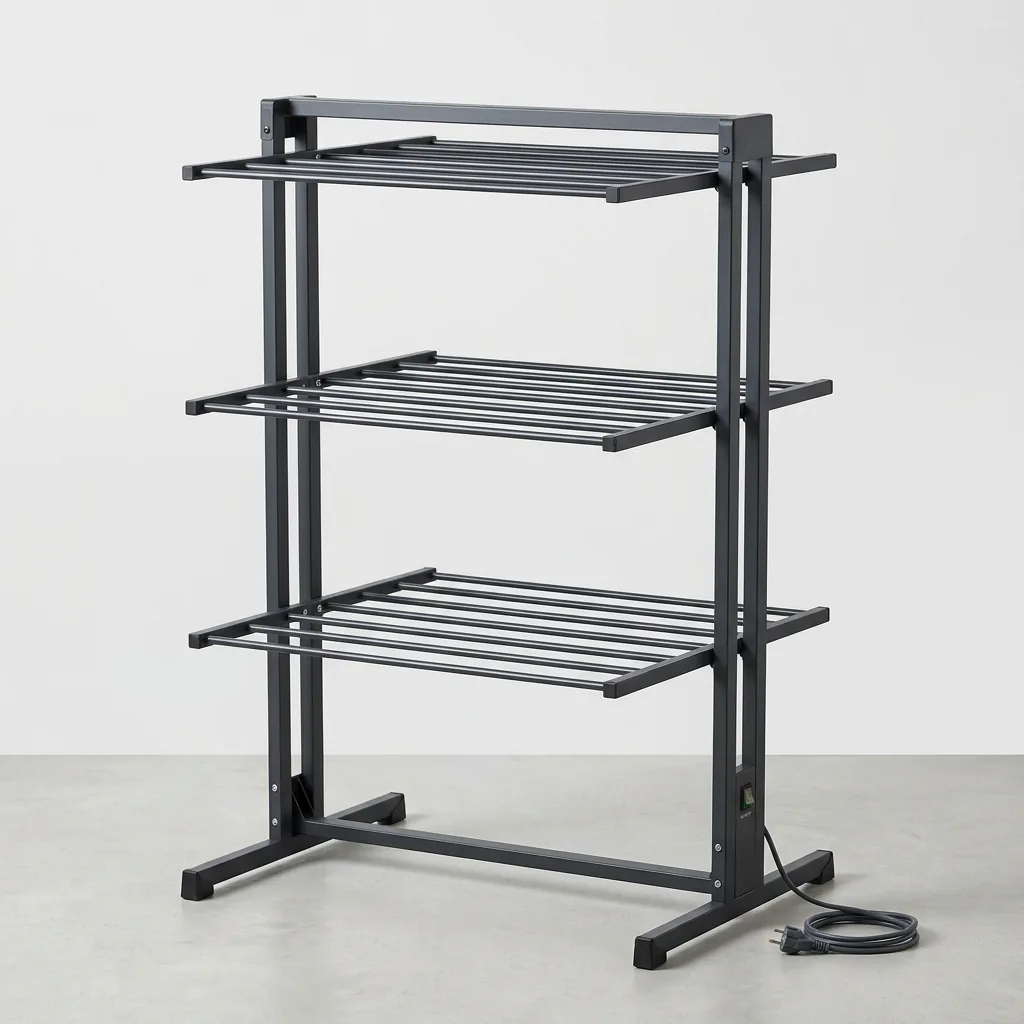
| Capacity | A typical 3-tier fits one average load if you spread it out | Bedding and towels take up a lot of space |
| Faff | Hanging every item, turning thick items, storage | More hands-on than a dryer |
| Moisture | All the water ends up in your room | Needs ventilation, a cover or a dehumidifier |
Cost: where heated airers clearly win
A 300W airer uses 0.3kWh an hour, which is 7.9p at 26.32p per kWh. A six-hour run costs about 47p and a covered four-hour run about 32p. The 202W Duronic CA20 costs 5.3p an hour. For the full per-winter maths, see do heated airers actually save money? and heated airer running costs.
The saving is real only if the airer replaces a tumble dryer or the heating you would otherwise turn up. If you used to dry on an unheated rack for free, an airer adds to your bill. It buys you speed and fewer musty smells.
Speed: better than a rack, slower than a dryer
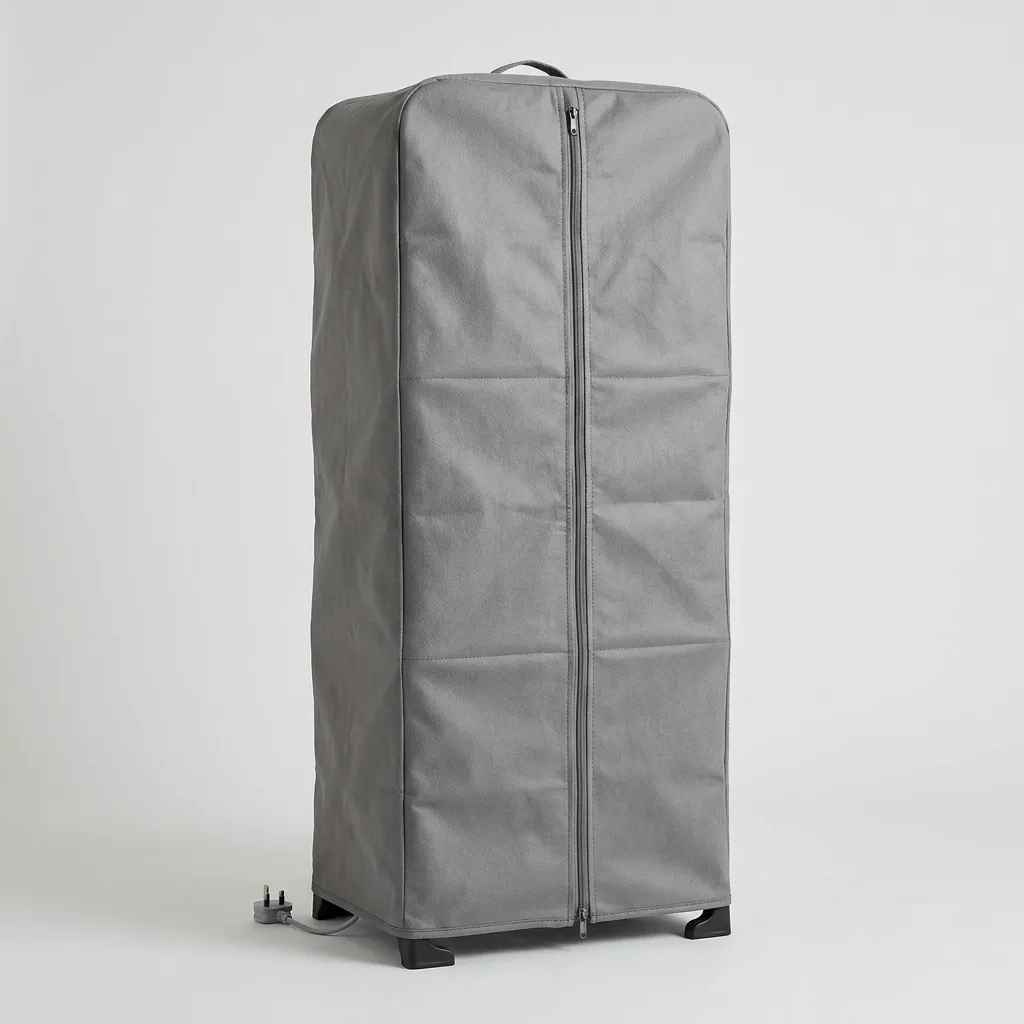
A heated airer warms the fabric, but it does not move air the way a dryer does. Thin cotton dries quickly; jeans, hoodies and towels can take most of a day. A cover is the single biggest speed upgrade. See how long heated airers take to dry clothes for timings by fabric.
Faff: the bit reviews skip
- Hanging takes longer. Items need to be spread out. Bunched laundry stays damp where it touches.
- Thick items need turning. The side touching the bars dries first.
- Storage. Folded depth ranges from around 8cm (Dry:Soon Deluxe) to 15cm or more.
- Ventilation. A load releases one to two litres of water into the room. Read do heated airers cause condensation? before setting one up in a bedroom.
Who should buy one, and who should not
| Buy one if… | Skip it if… |
|---|---|
| You live in a flat with no outdoor drying space | You regularly dry large family loads at short notice |
| You want to cut tumble dryer use in winter | You already have damp and will not ventilate |
| You can dry overnight or while at work | You need bedding dry the same day |
| You have a bathroom or hallway with an extractor or vent | You have nowhere to store it |
Our verdict
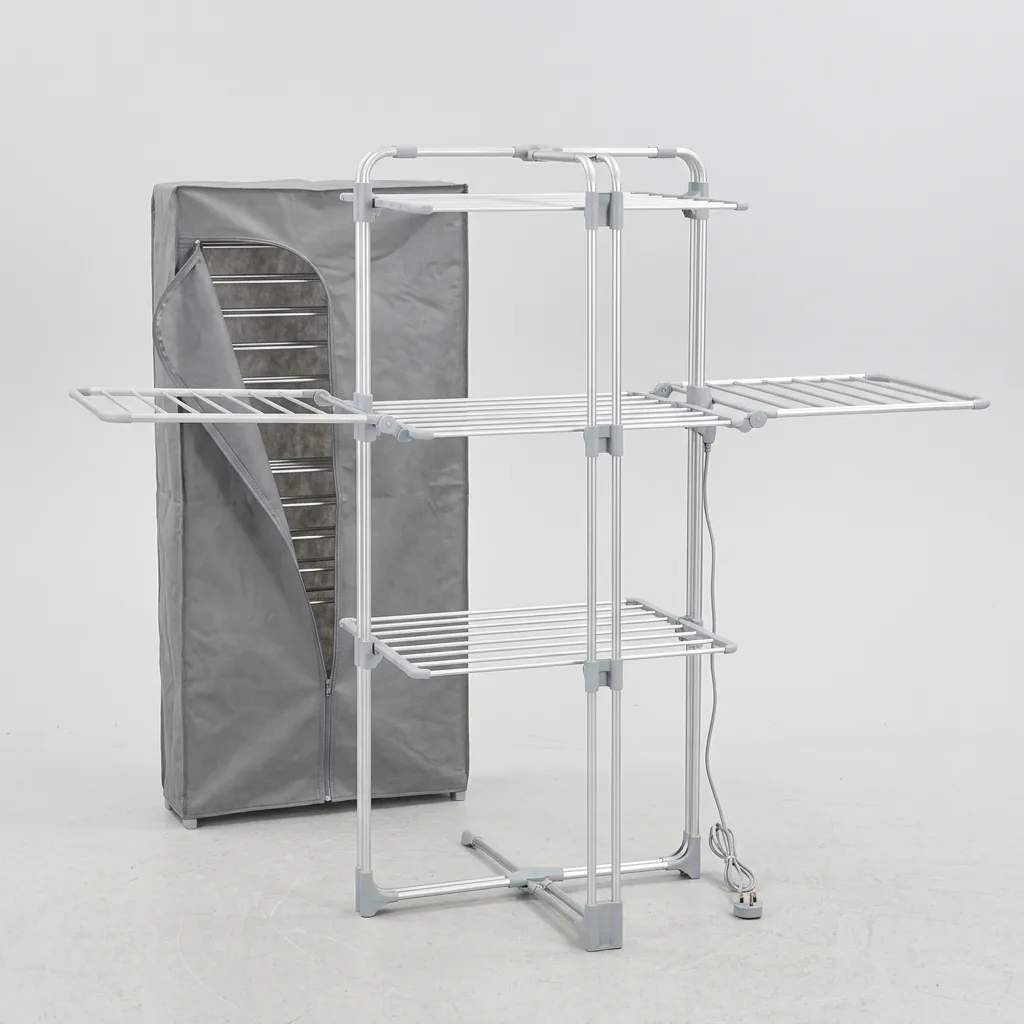
For most UK households that dry washing indoors, a heated airer with a cover is worth it. It costs pennies a load and is far gentler on clothes than a dryer. The best value is in a 300W 3-tier model with a cover and timer included, such as the VonHaus 3-Tier with Cover. Our top-scoring model overall is the Dry:Soon Deluxe 3-Tier, but budget for its cover separately.
How we worked this out: timings are typical ranges drawn from manufacturers' guidance and owner feedback, not our own lab tests. Your results will depend on how well your washing machine spins, the fabric, and how warm and ventilated the room is. Running costs use the Ofgem price cap rate of 26.32p per kWh (1 October to 31 December 2026).
More heated airer guides
- How long heated airers take to dry clothes
- Heated clothes airers with covers
- Heated airer running costs
- Do heated airers save money?
- Do heated airers cause condensation?
Compare all eight models in our best heated clothes airers guide, or work out your own cost with the heated airer running cost calculator.
Dehumidifier and drying guides
By room and problem
- Best quiet dehumidifier for bedrooms
- Best dehumidifier for a conservatory
- Best dehumidifier for mould and condensation
Choosing one
- Dehumidifier size calculator
- Compressor vs desiccant dehumidifier
- Dehumidifier buying guide
- Meaco vs Ebac
- Can you leave a dehumidifier on overnight?
Drying clothes for less
- How long a dehumidifier takes to dry clothes
- Dehumidifier vs tumble dryer cost
- Heated airer vs tumble dryer cost
- Do heated airers actually save money?
- How long heated airers take to dry clothes
Not sure what size you need? Try the dehumidifier size calculator.
Frequently asked questions
Are heated clothes airers worth the money?
Yes, for most households that dry washing indoors in winter. They cost about 32-47p a load to run. Most of the value comes from replacing tumble dryer use.
Do heated airers actually dry clothes?
Yes, but slowly compared with a dryer. Expect roughly 4-8 hours uncovered for a mixed load, less with a cover. Thick items may need turning.
Is a heated airer better than a dehumidifier?
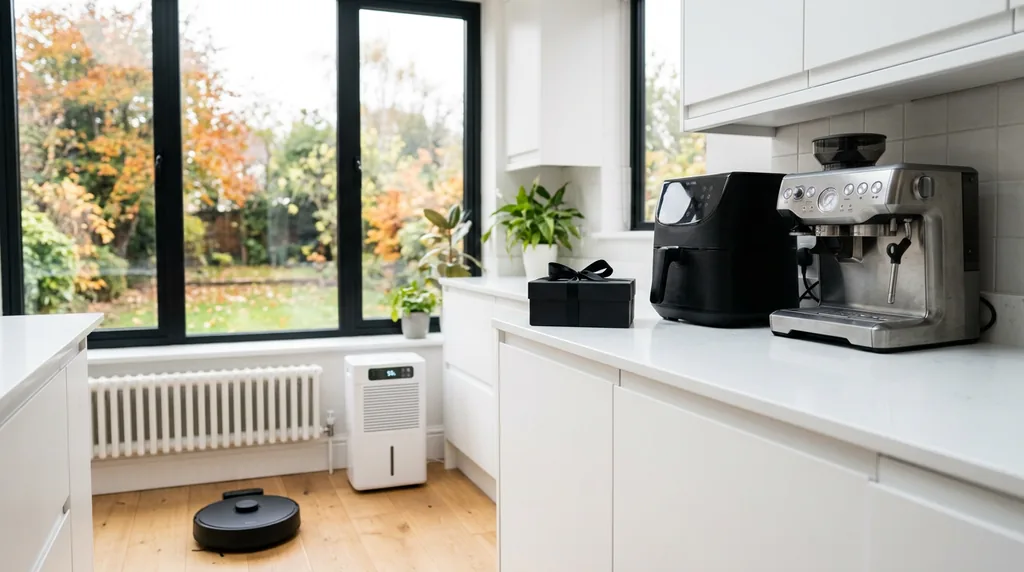
They do different jobs. The airer adds heat; a dehumidifier removes moisture. In a damp home, using both in a closed room is the fastest option. See dehumidifier vs heated airer.
What is the downside of a heated airer?
Drying is slow, every item has to be hung, and all the moisture goes into your room. That means you need ventilation.