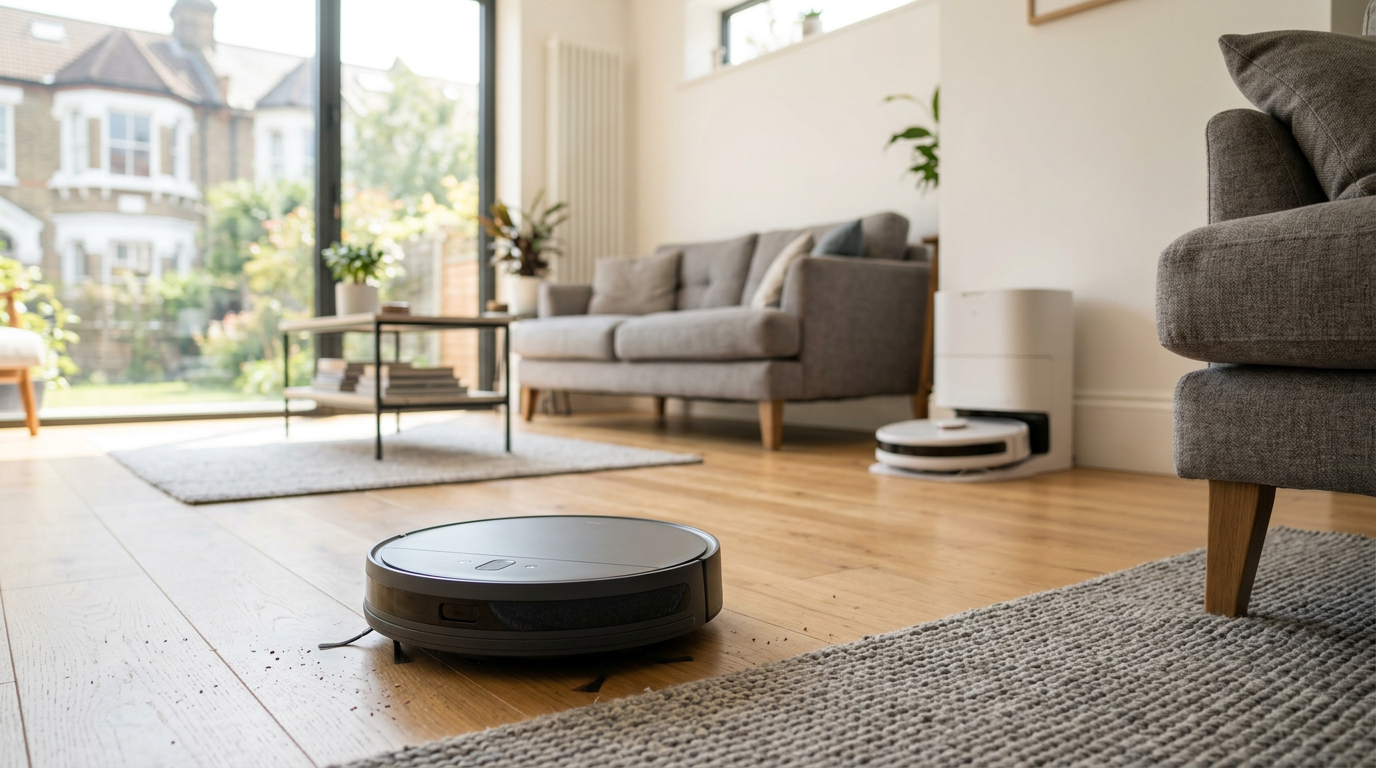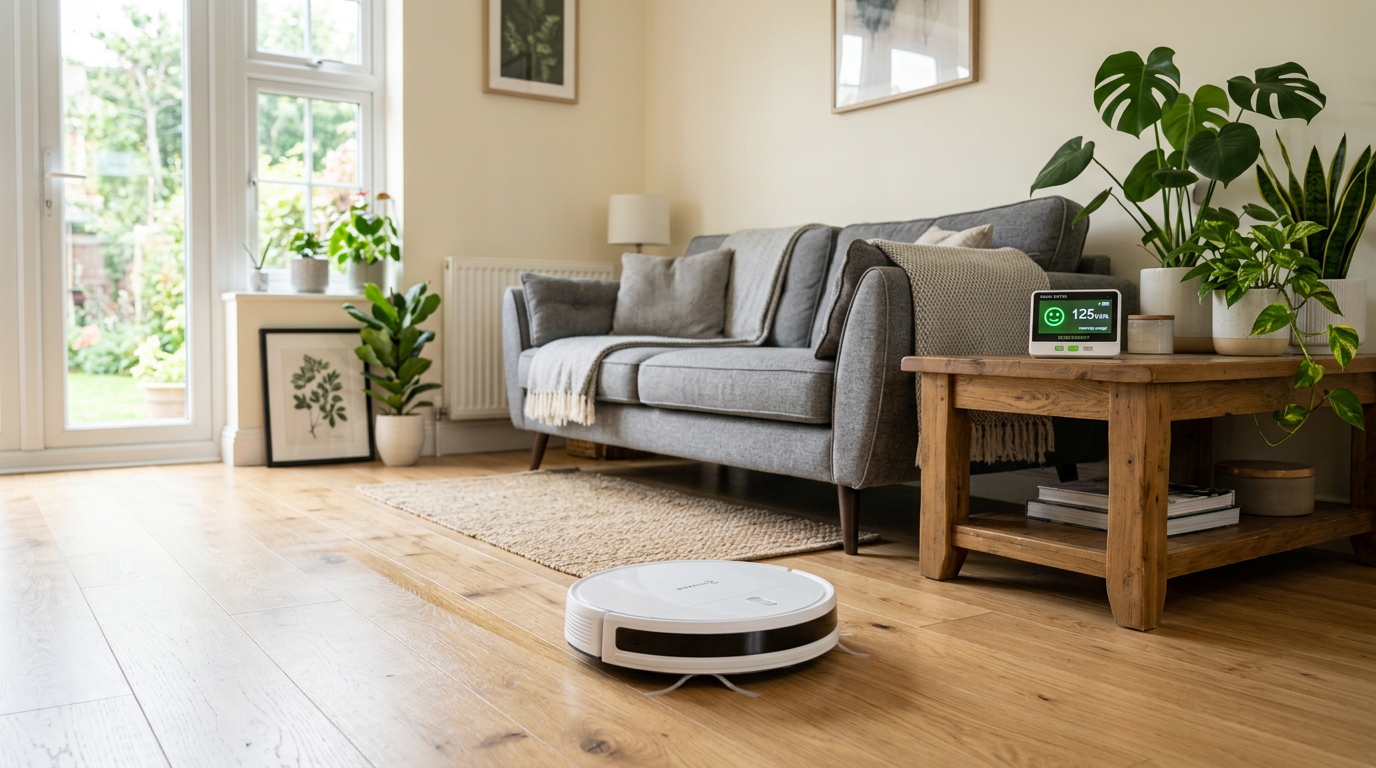
If you're weighing up a robot vacuum, the electricity question tends to come up somewhere between "will it actually clean properly?" and "is my cat going to lose its mind?" The short answer is that robot vacuums use almost nothing — but "almost nothing" still deserves proper numbers, especially when energy bills are what they are.
Here's exactly what they cost to run in the UK, how that compares to a regular vacuum, and the one running cost most people forget about entirely.
The actual electricity consumption
A robot vacuum draws between 25 and 80 watts while cleaning, depending on the model and the suction mode. That's roughly the same as a light bulb. For context, a typical corded upright vacuum draws 1,400–2,200W — around 30 times more.
The difference is that a robot vacuum runs for much longer per session. A full cleaning cycle takes 60–180 minutes depending on floor area and navigation efficiency, versus the 15–30 minutes you'd typically spend pushing an upright around. Even so, the maths still comes out firmly in the robot's favour.
Real running costs at current UK electricity rates
Using the current Ofgem price cap rate of roughly 24.5p per kWh:
| Vacuum type | Typical wattage | Session length | Cost per clean | Weekly cost (3 cleans) | Annual cost |
|---|---|---|---|---|---|
| Robot vacuum (eco mode) | 30W | 90 min | 1.1p | 3.3p | £1.72 |
| Robot vacuum (max suction) | 70W | 90 min | 2.6p | 7.7p | £4.00 |
| Corded upright | 1,800W | 20 min | 14.7p | 44.1p | £22.93 |
| Cordless stick vacuum | 500W (charger) | 45 min charge | 9.2p | 27.6p | £14.35 |
So a robot vacuum running three times a week costs roughly £2 to £4 a year in electricity. Even if you run it daily — which plenty of people do, especially pet owners dealing with hair — you're looking at about £6–£8 a year on the highest suction setting. That's genuinely negligible.
The charging dock draws power too
The base station sits plugged in 24/7, and on basic models it draws about 3–5W on standby — roughly £8–£11 a year. That's actually more than the cleaning itself costs.
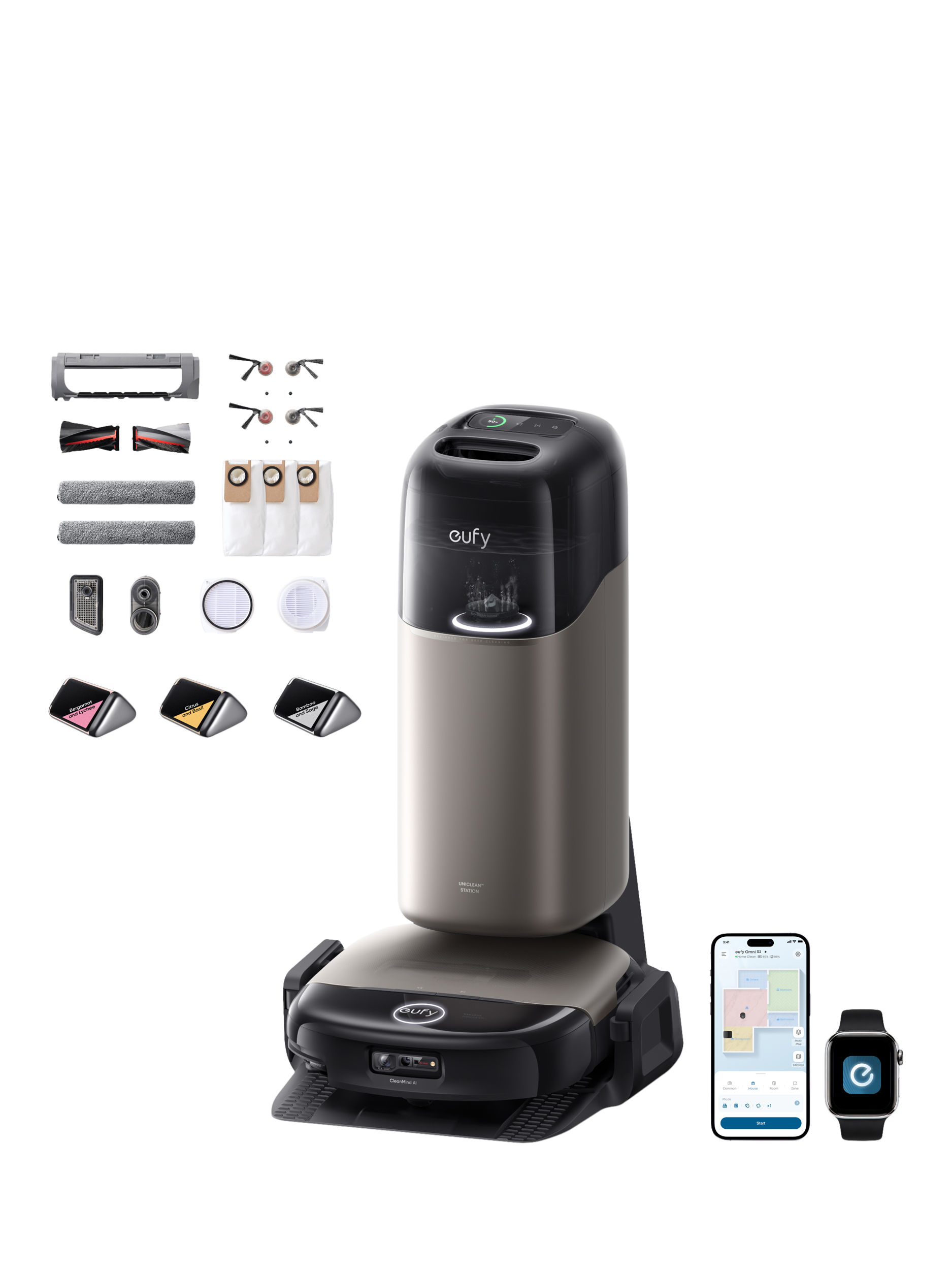
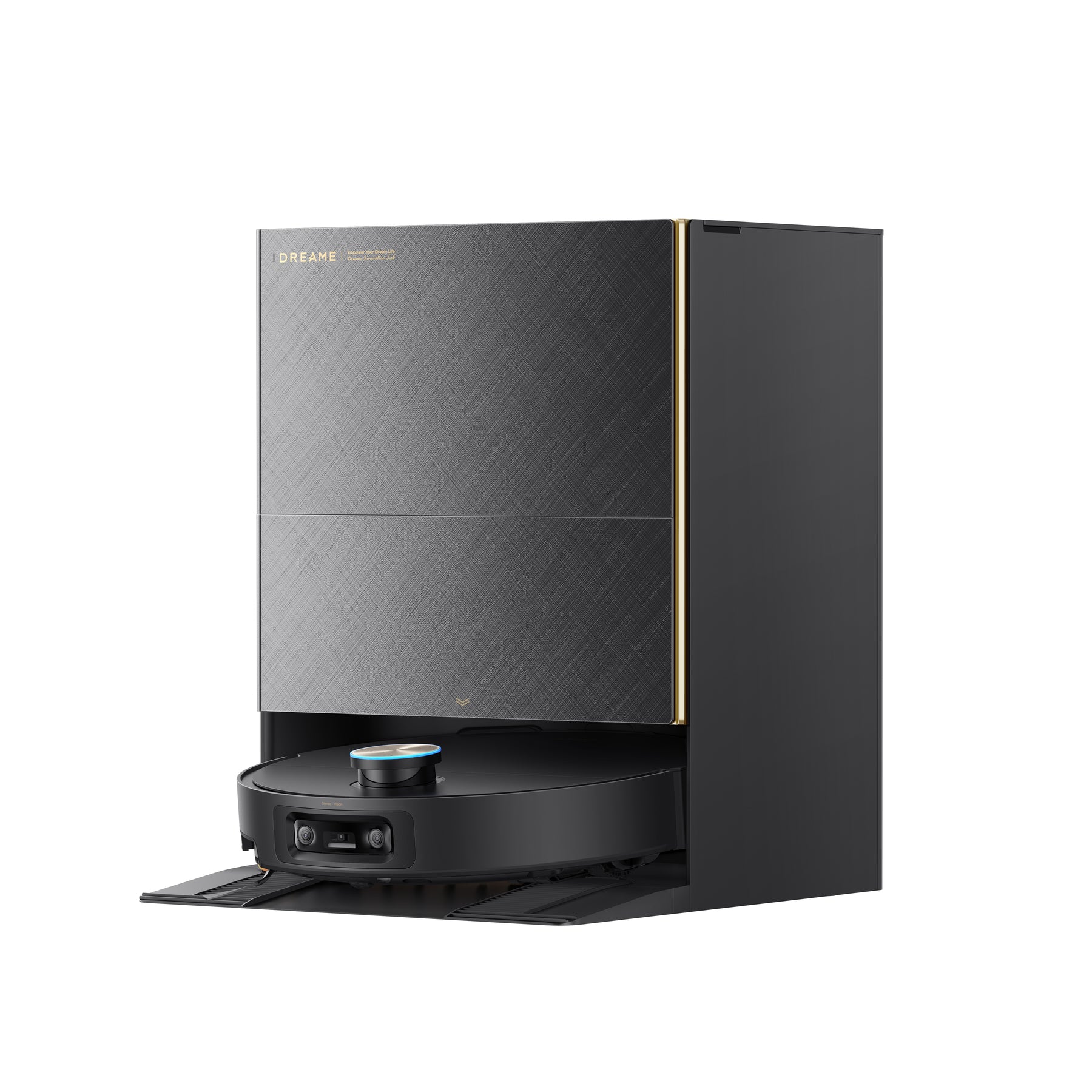
Premium models with self-emptying docks, hot-water mopping and drying fans draw more. The auto-empty cycle is brief (about 10 seconds, drawing 600–1,000W), but the hot-water wash and drying fans on top-end models like the Dreame X60 Ultra and eufy Omni S2 can run for 2–3 hours after each mop cycle at 100–200W. Add that up:
| Dock type | Standby draw | Per-cycle cost | Annual total (dock + cleaning, 3×/week) |
|---|---|---|---|
| Basic charging dock | ~4W | ~0p | £10–£13 |
| Self-emptying dock | ~5W | ~0.2p | £12–£15 |
| All-in-one station (wash + dry + empty) | ~6W | ~5–10p | £20–£35 |
So the full electricity cost for a premium robot vacuum with an all-in-one station, running three times a week, is about £20–£35 a year. A basic model with a simple dock: about £10–£13. Either way, it's a fraction of what most household appliances cost to run.
How that compares to other home appliances
To put robot vacuum running costs in perspective:
| Appliance | Approximate annual electricity cost |
|---|---|
| Robot vacuum (mid-range, 3×/week) | £12–£15 |
| Corded upright vacuum (3×/week) | £23 |
| Tumble dryer (2 loads/week) | £80–£120 |
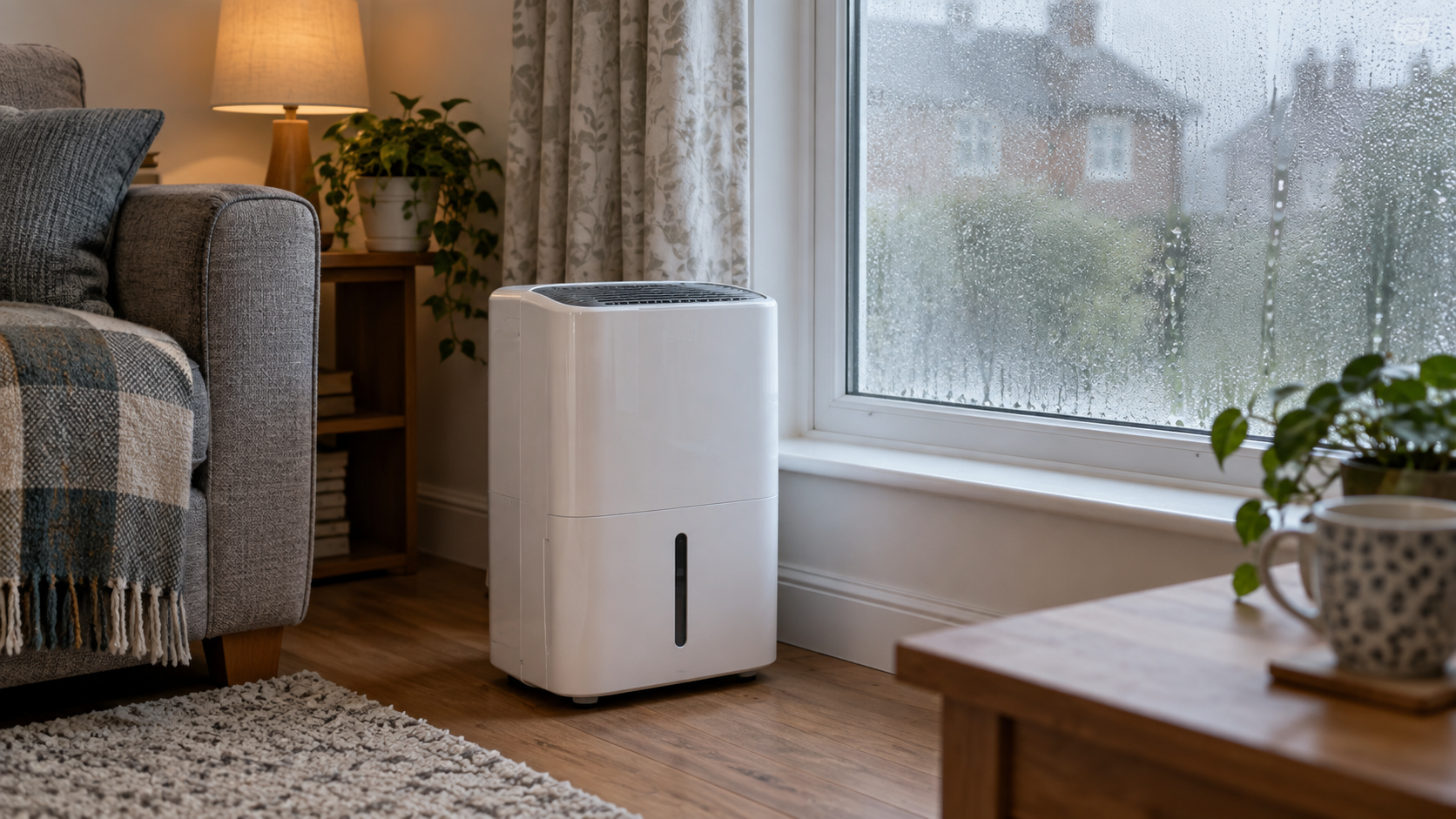
| Dehumidifier (6 hrs/day, 200 days) | £59 |
| Electric oven (5×/week) | £65–£85 |
| Fridge-freezer (24/7) | £45–£65 |
A robot vacuum is comfortably the cheapest powered cleaning appliance in the house. The only thing cheaper to run is a broom.
Does suction mode make a real difference?
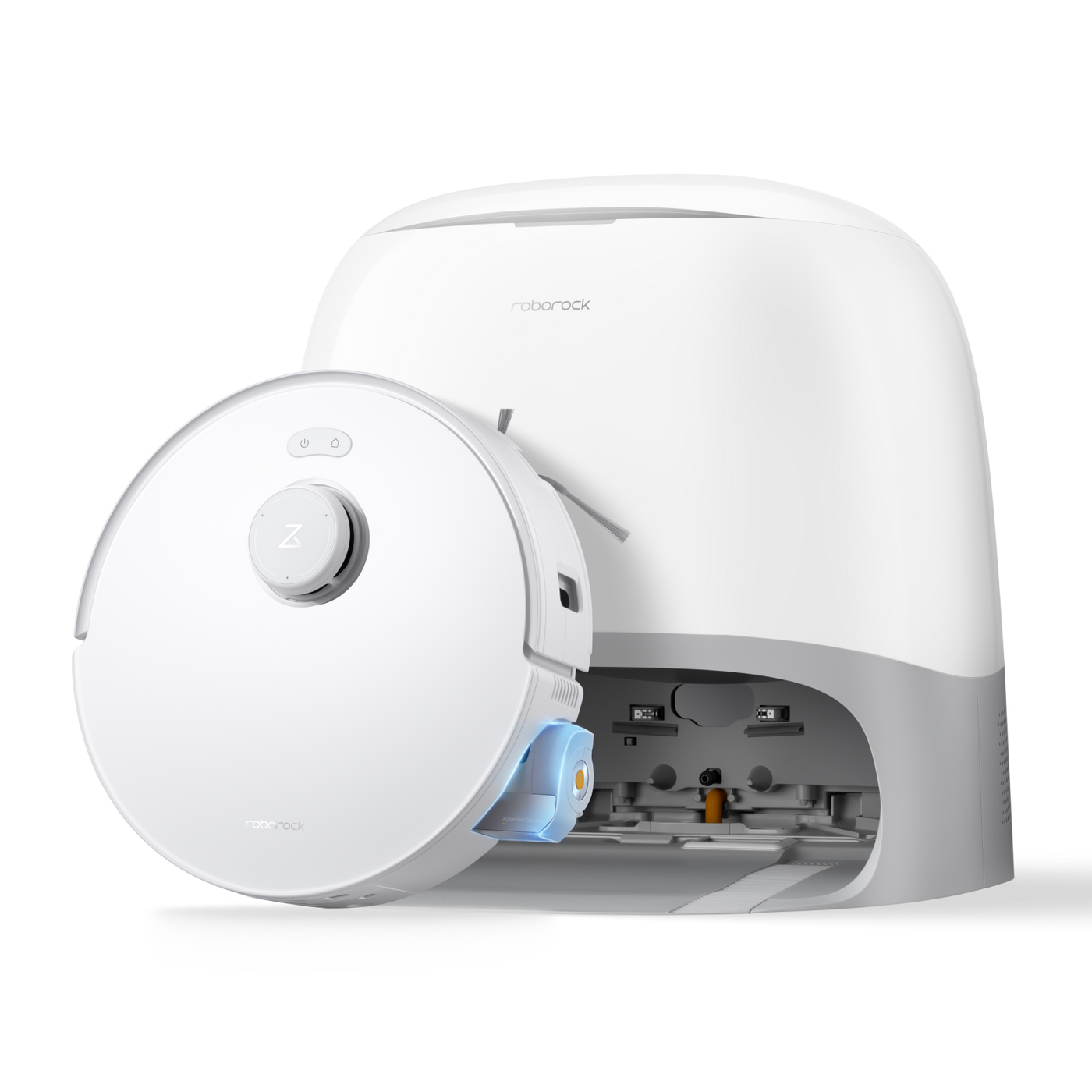
Yes, but less than you'd think. Most robot vacuums have 3–4 suction levels. On a budget model like the Lefant M1, the jump from quiet to max might be 25W to 45W — a difference of about 0.5p per clean. On a premium model like the Roborock Qrevo Curv with 18,500Pa suction, max mode draws noticeably more, but you rarely need max on hard floors.
The smarter models automatically boost suction when they detect carpet and drop it on hard floors, which is the ideal compromise — full power where it matters, lower draw everywhere else. If you have mostly hard floors, the annual cost difference between suction modes is genuinely pennies.
The running costs people forget
Electricity is the smallest ongoing cost. The ones that actually add up are consumables:
- Filters: £8–£15 for a pack, replaced every 2–3 months. About £30–£50 a year.
- Side brushes: £8–£12 for a pair, every 3–4 months. About £25–£40 a year.
- Main roller brush: £12–£20, every 6–12 months. About £15–£30 a year.
- Mop pads: £10–£20 per set (if it mops), every 2–3 months. About £40–£80 a year.
- Self-empty dust bags: £15–£25 for a pack of 3–6, lasting 2–4 months. About £40–£70 a year.
- Cleaning solution: £8–£15 per bottle for mopping models, lasting 1–2 months. About £50–£100 a year.
A basic vacuum-only robot costs about £50–£80 a year in consumables. A premium mop-and-vacuum model with a self-emptying dock can run to £150–£250 a year once you factor in bags, mop pads and solution. That's the cost you should be budgeting for — not the electricity.
For an independent comparison of how well individual models actually clean versus what they cost to maintain, Which? tests robot vacuums on suction, navigation and pick-up rate, which is a useful cross-check alongside our own reviews.
Does running it more often use more electricity? (Obviously, but…)
Running a robot vacuum daily instead of three times a week roughly doubles the cleaning electricity — from about £3 to £6 a year. The dock standby stays the same either way. So the real question isn't whether you can afford to run it daily; it's whether the convenience is worth it.
For most households the answer is yes, especially if you have pets or children. Little-and-often cleaning means the robot runs shorter cycles (there's less dirt to pick up each time), which actually reduces total energy use per week compared to letting mess build up and running a long deep-clean session. The floors stay cleaner, and the robot finishes faster. If your robot works well on carpet, daily runs also reduce the deep pile buildup that forces max-suction passes.
The short version
- Cleaning electricity: £2–£8 a year, depending on frequency and suction mode. Genuinely trivial.
- Dock standby: £8–£15 a year for basic docks, up to £25–£35 for all-in-one stations with wash and dry cycles.
- Total electricity: £10–£35 a year. Less than a fridge-freezer, less than a tumble dryer, less than pretty much any other powered appliance.
- The real ongoing cost is consumables — filters, brushes, mop pads and bags — at £50–£250 a year depending on the model. Budget for this, not the electricity.
- Running it daily is barely more expensive than three times a week, and produces cleaner floors with shorter cycles.
If electricity cost is genuinely a factor in your buying decision, it shouldn't be — the difference between the cheapest and most expensive robot vacuum to run is about £25 a year. Spend your research time on cleaning performance, navigation and whether the mid-range models clean well enough for your home, or whether you need the top-tier suction and mopping. The electricity will take care of itself.