After researching and comparing dozens of air fryer models, digging into independent test results and reading thousands of verified owner reviews, the short answer is yes — for most UK households, an air fryer is genuinely worth buying. But not for the reasons the marketing usually gives you, and there are a handful of situations where it is a waste of money. This is the honest version.
What an air fryer actually is
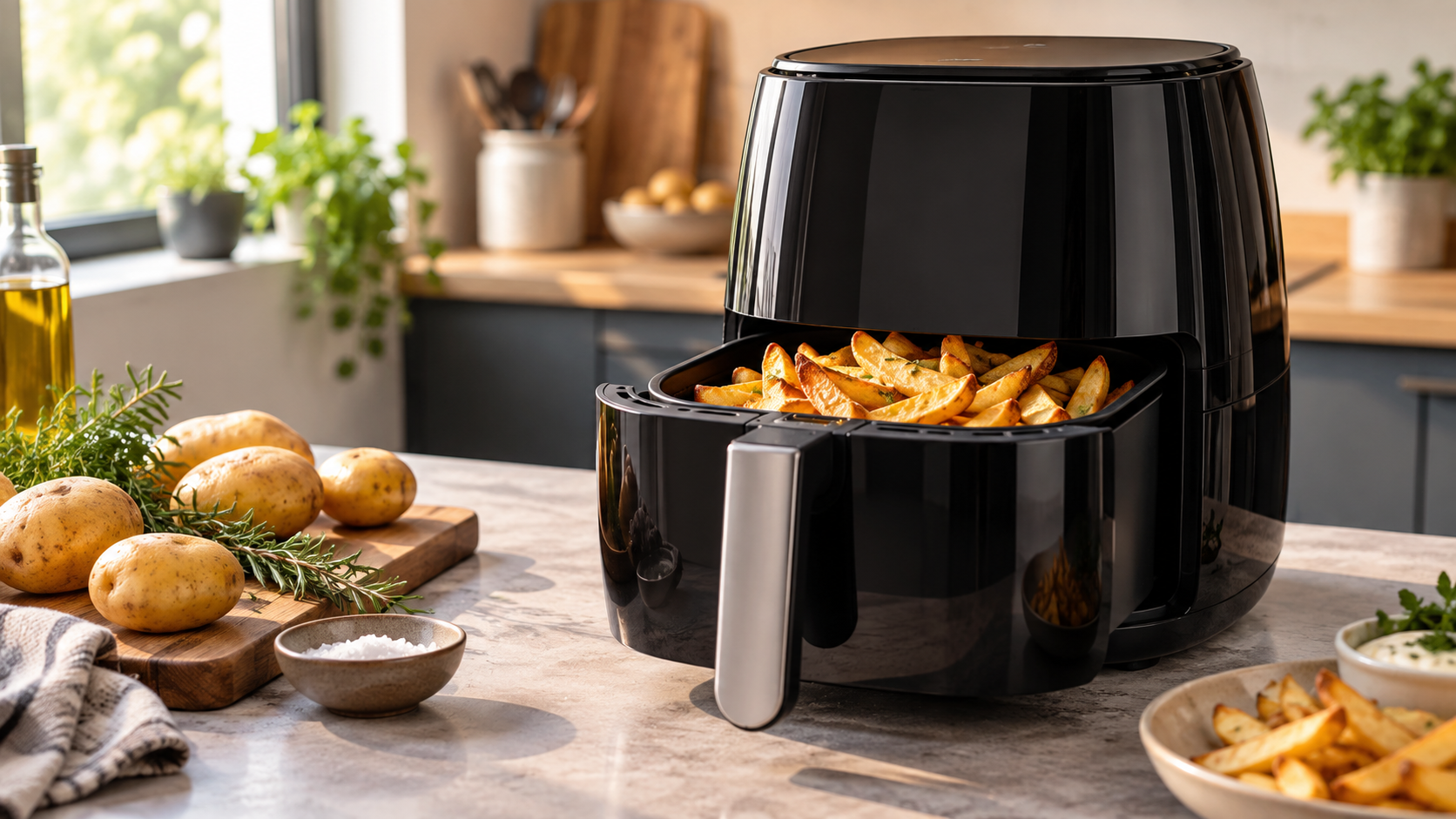
An air fryer is a compact convection oven with a powerful fan. That is it. There is no frying happening. A heating element at the top superheats air, and a fan blasts it around the food at high speed in a small, enclosed space. The result is food that crisps and browns like a conventional oven, but faster and with little or no oil.
The "fryer" branding is marketing. Once you stop expecting it to replicate a deep-fat fryer, you stop being disappointed and start using it for what it actually does well.
The five things that genuinely make it worth it
1. Speed
This is the real selling point, not the health angle. An air fryer reaches cooking temperature in 2–3 minutes. A conventional oven takes 10–15 minutes to preheat and then cooks more slowly because the cavity is much larger. For a weeknight meal — chicken thighs, salmon fillets, roasted vegetables, frozen chips — an air fryer typically finishes in half the time. When you get in at 6pm and need dinner on the table by 6:45, that difference is not marginal.
2. Energy savings
A typical air fryer draws 1,400–1,800W. A conventional electric oven draws 2,000–2,500W. The air fryer runs for less time in a smaller space, which adds up. Our full breakdown in air fryer vs oven: which saves money puts the saving at roughly £50–£80 a year for a household that uses it four or five times a week instead of the main oven. At current electricity prices under the Ofgem price cap, that pays for a mid-range air fryer inside the first year.
3. Less oil, genuinely
Chips, chicken wings, breaded fish, spring rolls — all of these come out crispy with a tablespoon of oil or none at all. That is not a gimmick. The British Heart Foundation confirms that air frying reduces fat content compared to deep frying and is a straightforward way to cut saturated fat without changing what you eat. The food does not taste identical to deep-fried — be realistic — but it is close enough that most people do not go back.
4. It does not heat the kitchen
A conventional oven radiates heat into the room for an hour. In a small British kitchen in summer, that matters. An air fryer puts almost all its energy into the food, and the exhaust air is minimal. It is also the reason it works so well alongside a hob — you can cook the protein in the air fryer and the sauce on the stove without the kitchen turning into a sauna.
5. It replaces multiple appliances
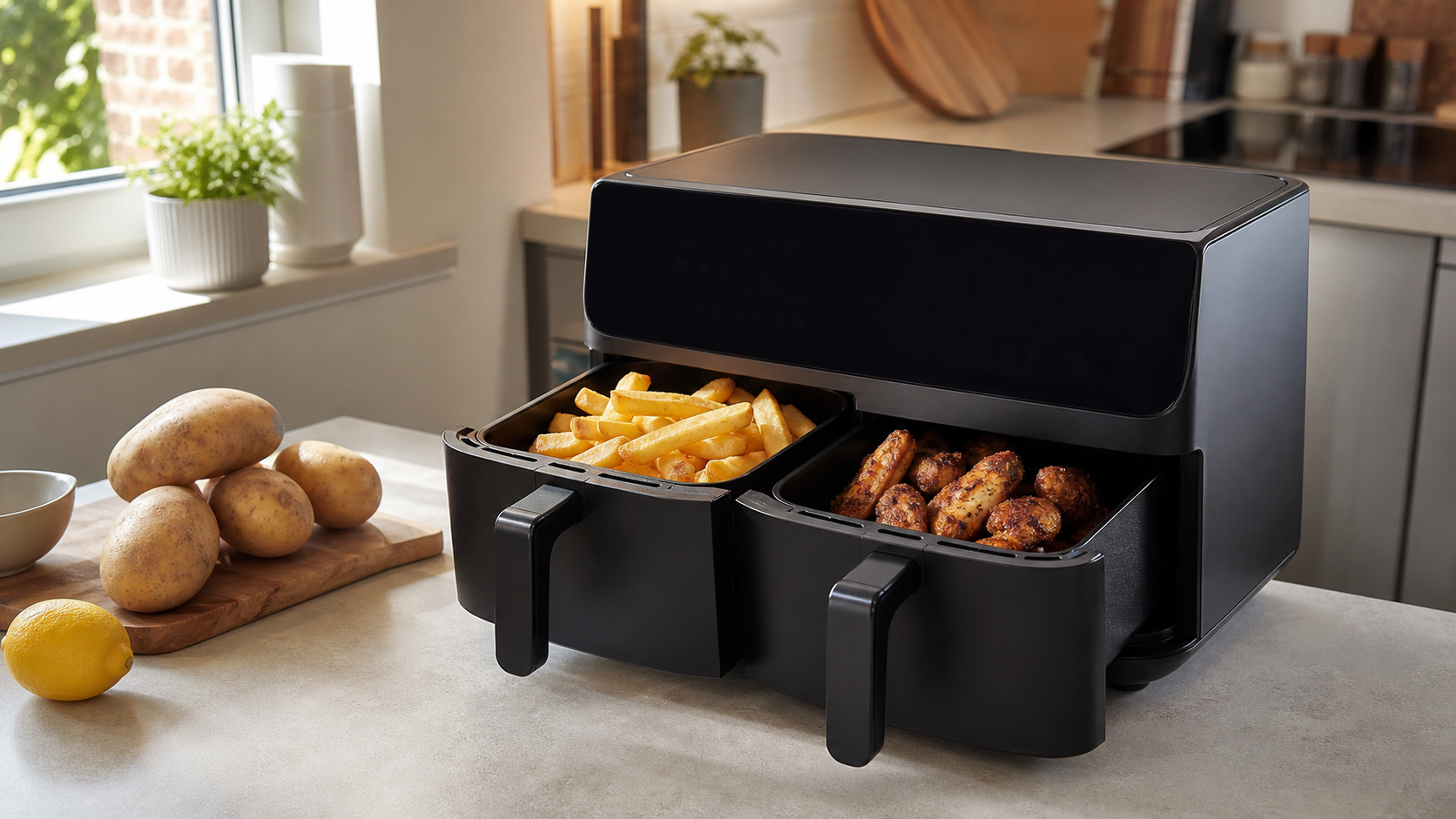
A dual-zone air fryer replaces the toaster for reheating bread, the grill for bacon and halloumi, and the oven for anything that does not need a large capacity. If you are in a small flat, a student house, or a narrowboat, an air fryer and a two-ring hob is a surprisingly complete kitchen.
When it is NOT worth it
You cook mostly for large groups
Air fryers work by circulating air around the food, which means you cannot stack or crowd the basket. A 4L air fryer realistically feeds one to two people per batch. Even a large 9–10L dual-zone model feeds four comfortably but struggles with six. If you regularly cook a full roast, a large tray of lasagne, or a batch of cakes, the conventional oven is still the right tool. Our guide on what size air fryer you actually need has the specific capacity figures.
You already own a fan oven and rarely cook small meals
If every meal you cook is a full oven load — a whole chicken, a tray bake for four, a big gratin — an air fryer will sit on the worktop unused. It is at its best when you are cooking one or two portions, reheating leftovers, or doing a quick side dish. People who live alone or in couples get the most value from it.
You have no worktop space
This is the practical blocker nobody talks about. A dual-zone air fryer is roughly the size of a large microwave. If your kitchen worktop is already a game of Tetris, buying another appliance is not solving a cooking problem — it is creating a storage problem. Measure before you buy.
What it does well and what it does badly
| Excellent results | Good results | Poor results |
|---|---|---|
| Chips and wedges | Steak (thin cuts) | Batter (fish & chips style) |
| Chicken wings and thighs | Toasted sandwiches | Wet batters and tempura |
| Roasted vegetables | Reheating pizza | Large joints of meat |
| Frozen food (nuggets, spring rolls) | Baked potatoes (small) | Cakes and baking |
| Salmon and white fish fillets | Sausage rolls | Stews and casseroles |
| Bacon | Eggs (hard boiled) | Anything requiring liquid |
The pattern is simple: anything that benefits from dry, intense, circulating heat works brilliantly. Anything that needs moisture, immersion, or a very large cooking vessel does not.
How much should you spend?
Between £70 and £250 covers every serious option. Below £70 you start losing build quality, temperature accuracy and useful capacity. Above £250 you are paying for smart features and brand premium rather than better cooking.
For a single person or couple, a compact single-basket model like the Cosori Pro LE 5L or Tefal Easy Fry Max 5L at £70–£110 is the sweet spot. Good results, small footprint, cheap to run.
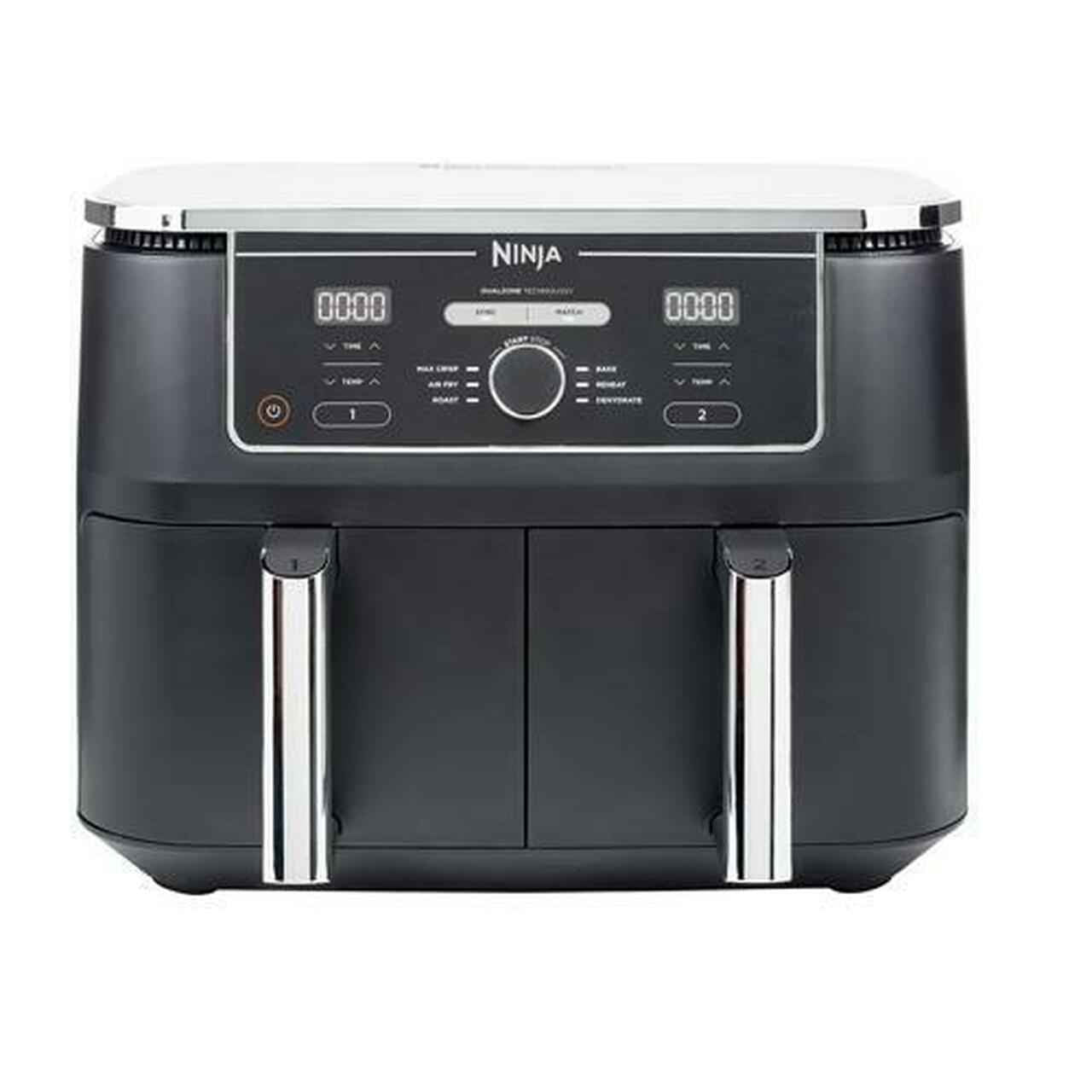
For a family of three to four, a dual-zone model is the real step up — two separate drawers at different temperatures mean you can do the protein and the chips simultaneously. The Ninja Foodi MAX Dual Zone AF400UK is the benchmark here, and the Tower Vortx 9L Duo does the same job for a good deal less. The Instant Vortex Plus ClearCook adds a transparent drawer so you can check progress without opening it, which sounds like a gimmick but genuinely helps with timing.
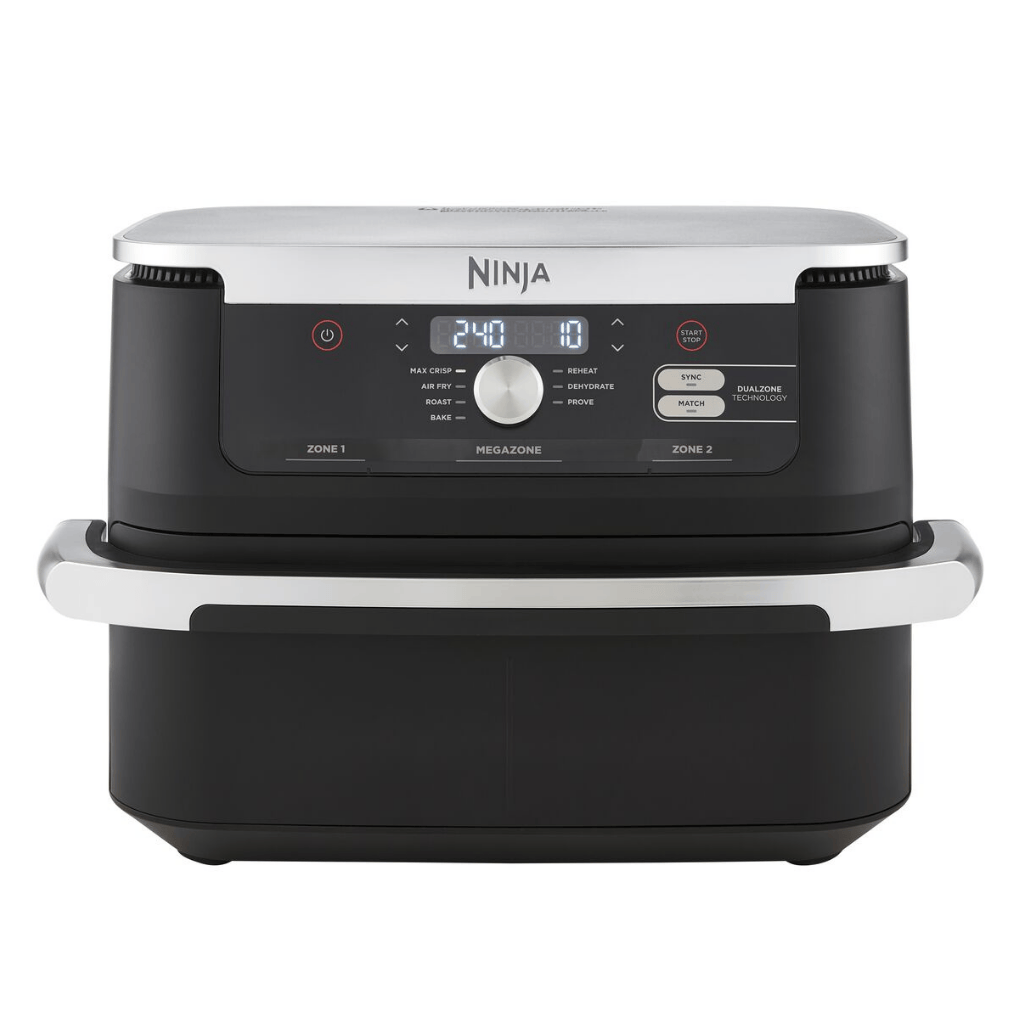
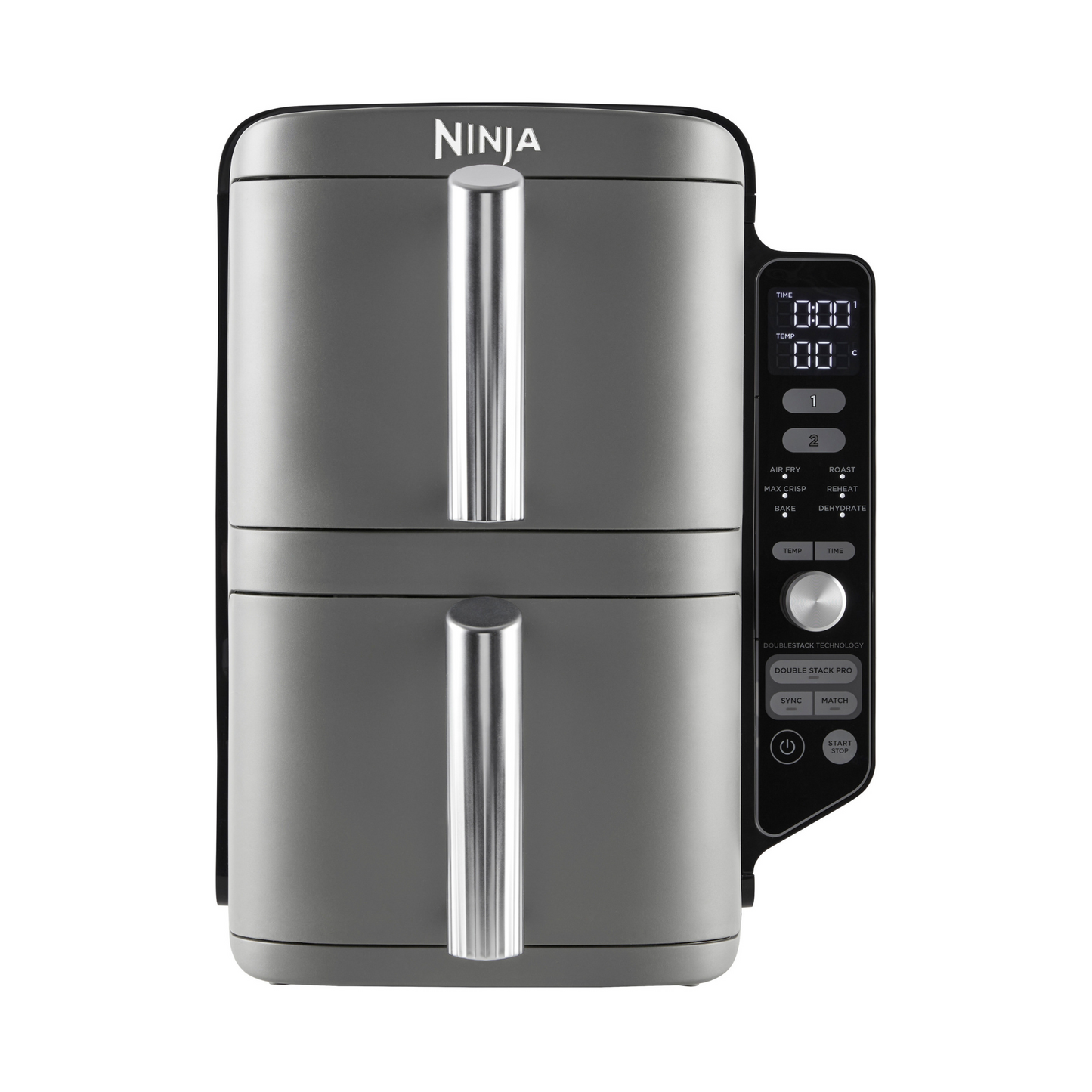
At the top end, the Ninja Foodi FlexDrawer AF500UK and Ninja Double Stack XL SL400UK offer the largest capacities and the most flexibility. Worth it if you are feeding four regularly; overkill for two.
The verdict after two years
An air fryer is worth buying if you regularly cook small to medium meals and value speed over capacity. The energy savings are real, the health benefits are modest but genuine, and the convenience on a weeknight evening is the thing that actually keeps it on the worktop rather than in the cupboard.
It is not worth buying as a replacement for your oven — think of it as a complement. If you are planning to buy one, our air fryer Black Friday deals guide covers when the discounts land and how to get the best price. The households that get the most from it are couples and small families who use it four or five times a week for quick meals, sides and reheating, while keeping the big oven for the Sunday roast and the batch cook.
If you have decided it is worth it, our ultimate air fryer buying guide walks through the types, sizes, budgets and specs that decide which model actually suits your household. To compare specific models, our air fryer reviews rank every model we have reviewed on the metrics that actually matter: capacity per drawer, temperature accuracy, noise, and real energy draw. Weighing up premium against budget? Our Ninja vs Tower comparison pits the best-known name against the value champion, and our Ninja vs Cosori comparison covers whether Cosori's compact single-basket range is the smarter buy for smaller households.