This is the decision that stalls most people spending serious money on a coffee machine. Bean-to-cup or manual espresso? The marketing does not help — both are sold on the promise of café-quality coffee at home, and both can cost anywhere from £400 to £1,500. The difference is not really about quality. It is about how much of the process you want to be responsible for, and that comes down to your household and your mornings rather than your palate.
The fundamental difference
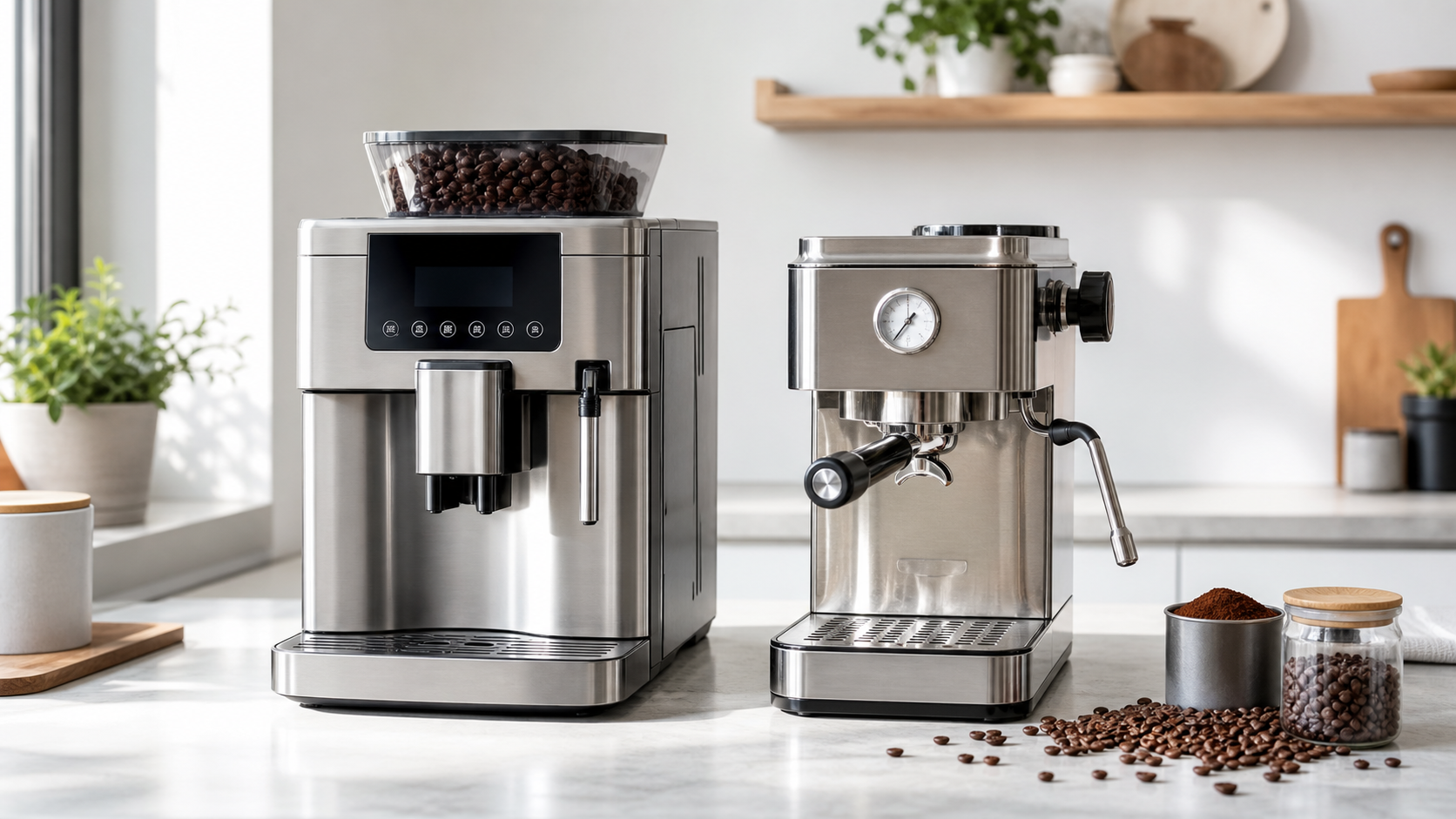
A bean-to-cup machine automates the entire chain. Press a button and it grinds the beans, doses the grounds, tamps them, pulls the shot, textures the milk and ejects the puck. You fill the hopper and the water tank, and the machine handles everything between bean and cup.
A manual espresso machine — often called a semi-automatic — gives you the pump, the boiler and the steam wand, and leaves the rest to you. You grind, dose, distribute and tamp the coffee into a portafilter, lock it in, start the shot, judge when to stop it, then steam and pour the milk yourself.
Everything else follows from that split. One is an appliance. The other is a piece of equipment you learn to operate.
Head to head
| Factor | Bean-to-cup | Manual espresso |
|---|---|---|
| Time per drink | 30–60 seconds, hands off | 3–5 minutes, hands on |
| Learning curve | Almost none | 2–8 weeks to consistency |
| Ceiling on quality | Very good | Excellent |
| Consistency | Identical every time | Depends entirely on you |
| Back-to-back drinks | Excellent — queue and go | Slow — one at a time |
| Milk texture | Good to very good | Best available, with practice |
| Daily cleaning | Automatic rinse cycles | Manual, 2–3 minutes |
| Repairability | Complex, usually a service job | Simpler, often DIY |
| Typical lifespan | 5–8 years | 10–15 years |
| Best suited to | Busy households, mixed drinks | One or two committed drinkers |
Choose bean-to-cup if…
More than two people use it
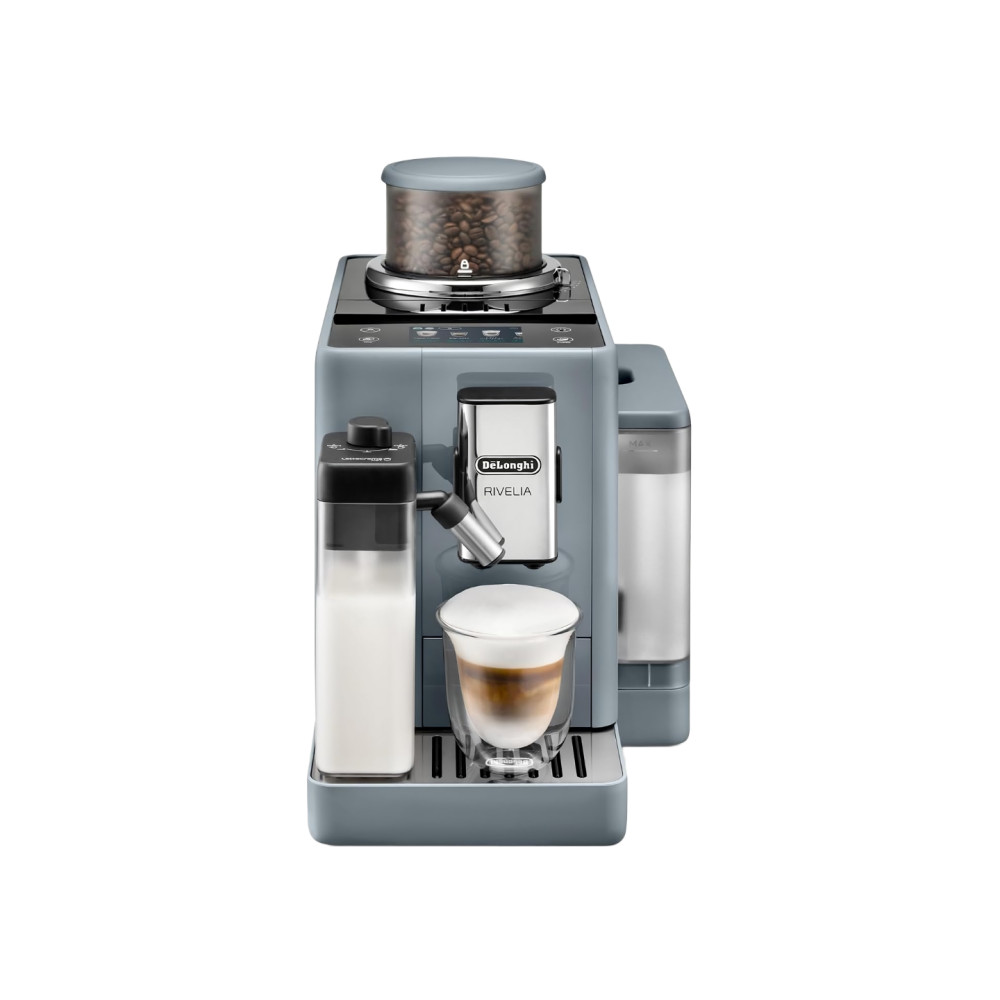
This is the biggest single factor. A manual machine makes one drink at a time and demands your full attention for each. Four people wanting different drinks on a weekday morning is genuinely painful on a manual setup and completely trivial on a bean-to-cup. Machines like the De'Longhi Rivelia EXAM440.55 store separate user profiles so each person's drink comes out exactly as they like it without anyone touching a setting.
Your household drinks milky coffee
If the standing order is lattes, cappuccinos and flat whites, an automatic milk system removes the hardest skill in home coffee. The Philips 5400 Series LatteGo and De'Longhi Eletta Explore both texture milk to a genuinely good standard and — crucially — clean their own milk paths, which is the step people abandon on manual machines.
You want good coffee, not a hobby
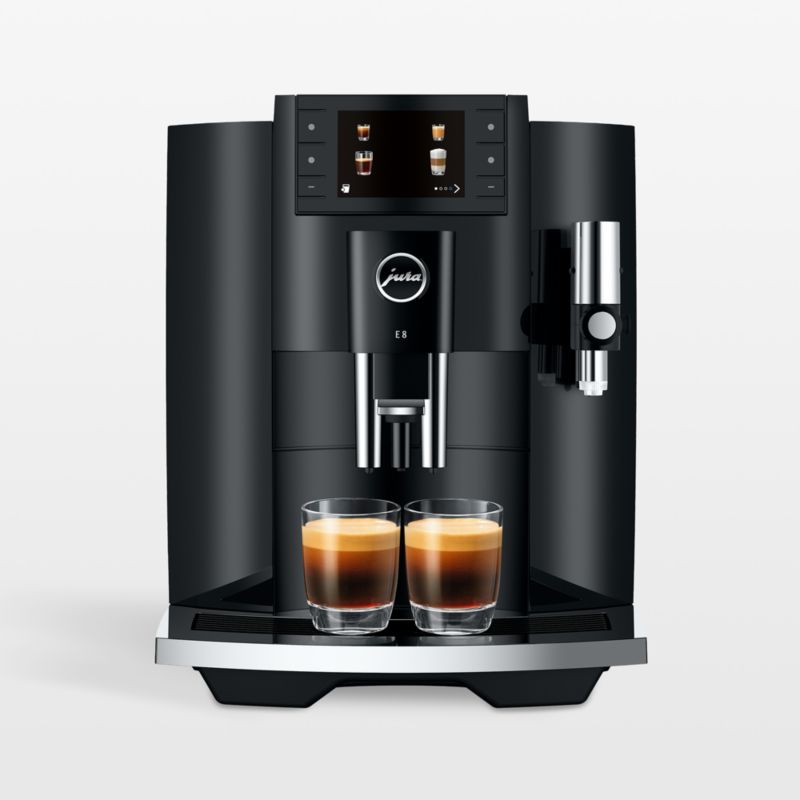
There is nothing wrong with this. A well-specified bean-to-cup with fresh beans will beat the average high-street chain comfortably. If you have no interest in learning to dial in a grinder, the Jura E8 and Siemens EQ.900 are about as close to effortless as this category gets, and the De'Longhi Magnifica Evo Next does the same job for a good deal less money.
Choose manual espresso if…
You actually want the last 10% of quality
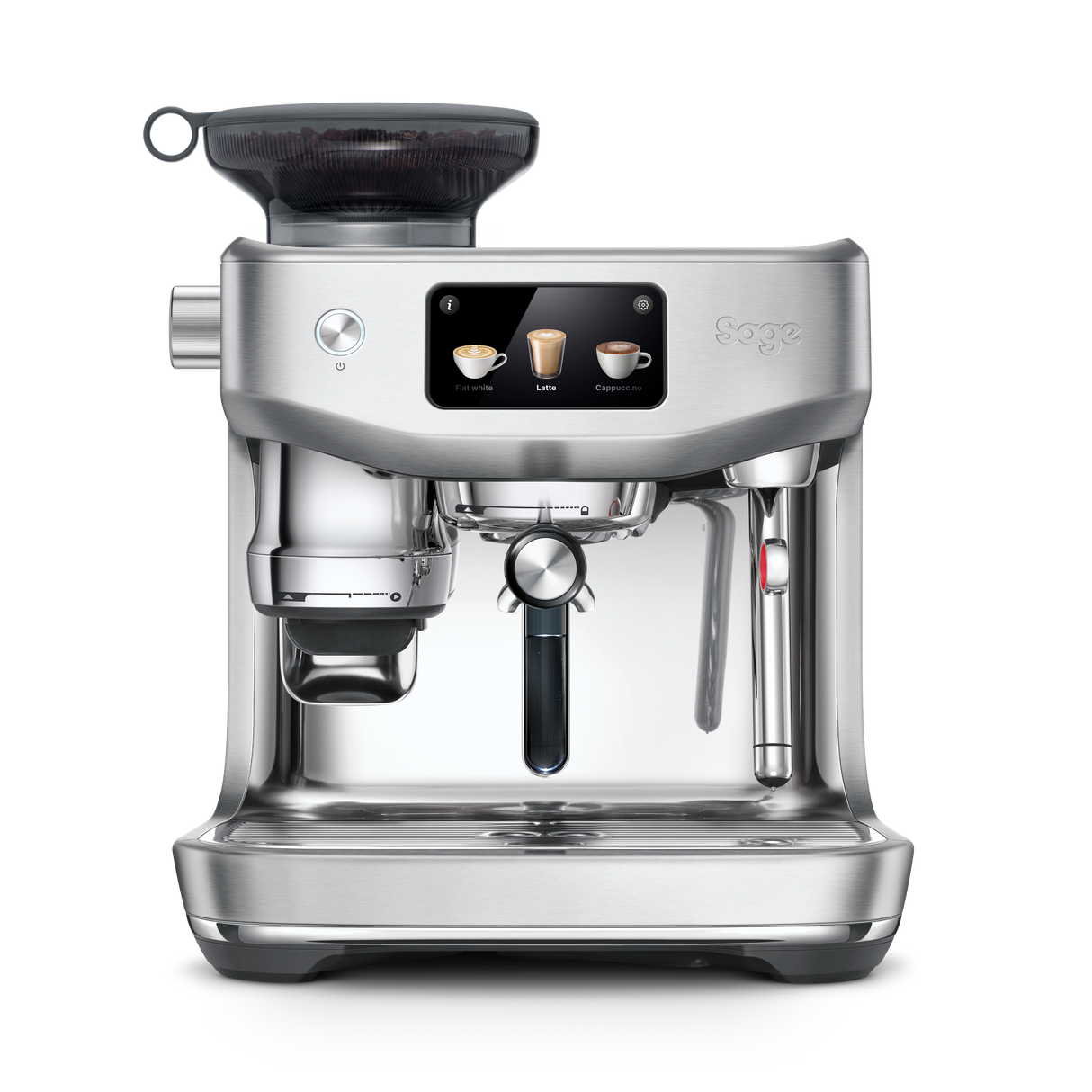
A skilled operator on a decent manual machine will beat any bean-to-cup. You control dose, grind, distribution, tamp pressure, shot time and yield — the six variables that separate a good espresso from a great one. Bean-to-cup machines fix most of those at a safe compromise, because they have to work for everybody. The Sage Oracle Jet and Sage Barista Touch Impress sit interestingly in between: manual machines that automate grinding, dosing and tamping while leaving the shot and the milk in your hands. For most people stepping up, that is the sweet spot.
You enjoy the ritual
Some people find five minutes of grinding, tamping and pouring latte art the best part of the morning. Others find it an obstacle between them and being awake. Be honest about which one you are, because it predicts whether a manual machine gets used in month six or quietly replaced by the kettle.
You want it to last
A manual machine has far fewer moving parts. Gaskets, showers screens and even pumps are user-replaceable on many models, and there is a large secondhand parts market. Bean-to-cup machines pack a grinder, a brew unit, a milk system and a control board into one chassis; when something fails outside warranty the repair bill is often a meaningful fraction of a new machine.
What about the middle ground?
Two categories genuinely blur the line and are worth knowing about before you commit.
Assisted manual machines — the Sage models above being the obvious examples — automate the fiddly, repeatable steps (grind, dose, tamp) and leave the expressive ones to you. You get most of the quality ceiling of a manual setup without the two-week grinder-calibration misery.
Bean-to-cup machines with a manual wand — such as the Melitta Barista TS Smart and Beko CaffeExperto — give you one-touch black coffee for weekday mornings and a proper steam wand for when you want to texture milk yourself. For a household that is split between a coffee enthusiast and everyone else, this is often the diplomatic answer.
The costs nobody mentions
The grinder
If you buy a manual espresso machine, the grinder is not optional and it is not cheap. A burr grinder capable of espresso-fine, adjustable, repeatable output starts around £150 and realistically wants £200–£400. Budget for it from the start, because a £1,000 machine fed by a £40 blade grinder makes worse coffee than a £450 bean-to-cup. Bean-to-cup machines have the grinder built in, which is a large part of why their headline price looks high.
Water and descaling
Both types are killed by limescale, and most of the UK is in a hard water area. Filtered water and a descaling routine are non-negotiable — our UK limescale guide for coffee machines covers exactly what to do. Bean-to-cup machines at least nag you about it; manual machines will simply let you destroy them.
Electricity
Barely a factor either way. Both draw 1,200–1,500W but only in short bursts. At the current Ofgem price cap unit rate of roughly 25p per kWh, a few drinks a day costs pennies. Cheaper than any of the alternatives you would buy out of the house — and the British Coffee Association puts UK consumption at around 98 million cups a day, so the savings from making them at home add up quickly.
The verdict
For most UK households, bean-to-cup is the right answer. It gets used every day by everyone, it makes consistently good milky drinks with no skill required, and the total cost is lower once you account for the grinder a manual machine needs. If two or more people with different tastes will use it, stop reading and buy bean-to-cup.
Manual espresso is the right answer for one or two committed drinkers who want the highest possible quality and genuinely enjoy the process. If that is you, an assisted manual machine gives you most of the benefit with far less of the frustration. Our Sage vs De'Longhi comparison digs deeper into the two biggest brands in each camp.
The mistake to avoid is buying a manual machine aspirationally — for the version of yourself who will get up ten minutes earlier to dial in a grinder — and then resenting it. Once you have chosen a type, our guide to making barista-quality coffee at home covers the beans, water and technique that matter far more than the badge on the machine. If you are still weighing up types, budgets and specs from scratch, start with our ultimate coffee machine buying guide.