You don't need to spend £4.50 a day at a coffee shop to drink genuinely excellent coffee. With the right equipment, decent beans and a few simple techniques, you can make espresso, flat whites and pour-overs at home that rival anything on the high street — and the investment pays for itself surprisingly fast.
Below is a practical, no-nonsense guide to getting barista-quality results in your own kitchen, whether you're starting from scratch or upgrading from a pod machine.
Start with the beans — they matter more than the machine
The single biggest upgrade most people can make is switching to freshly roasted, whole-bean coffee. Pre-ground supermarket bags are convenient, but coffee begins losing its best flavours within minutes of grinding. Whole beans, stored in an airtight container and used within three to four weeks of roasting, are a different drink entirely.
Look for a roast date on the bag rather than a best-before date — that's the mark of a quality roaster. The Specialty Coffee Association's brewing standards recommend using coffee within 2–4 weeks of roasting for the best flavour, and buying from a specialty roaster is the easiest way to guarantee freshness.
For espresso, a medium to medium-dark roast tends to be the most forgiving. For filter or pour-over, lighter roasts let you taste more of the bean's origin character.
Invest in a good grinder — seriously
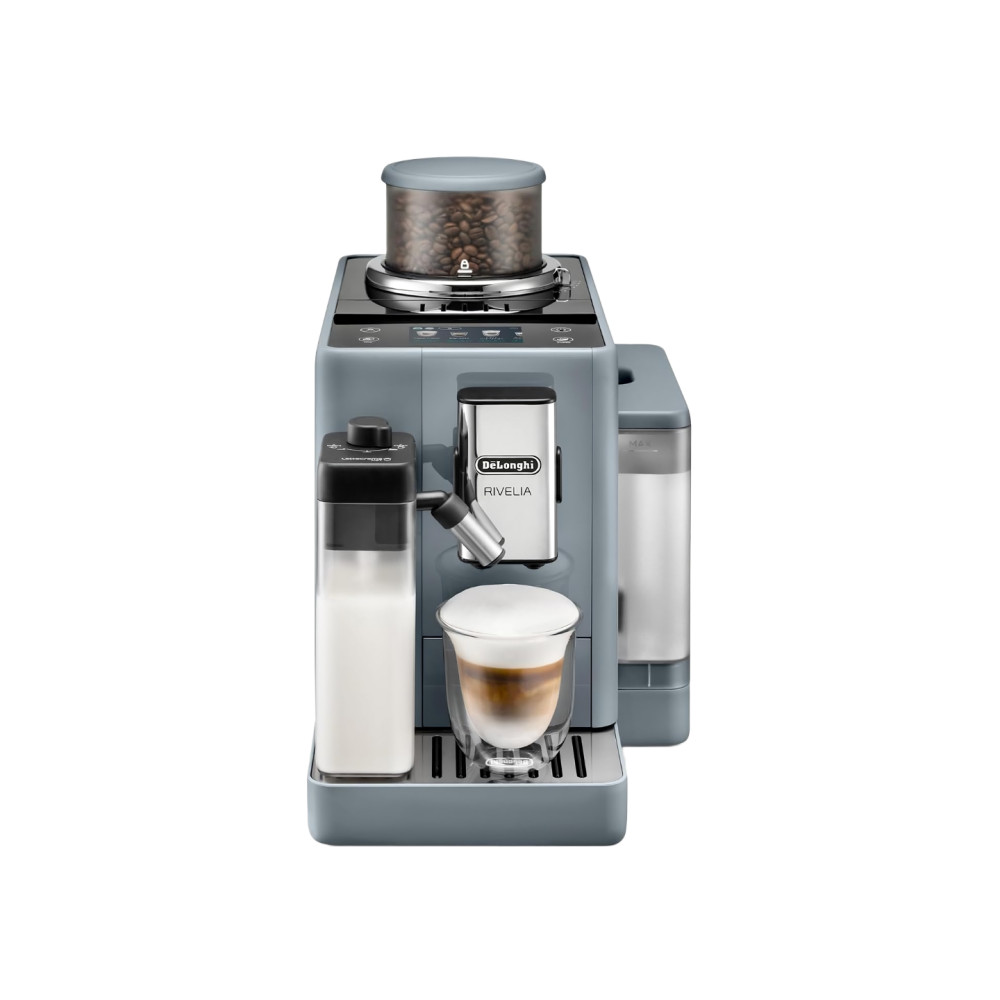
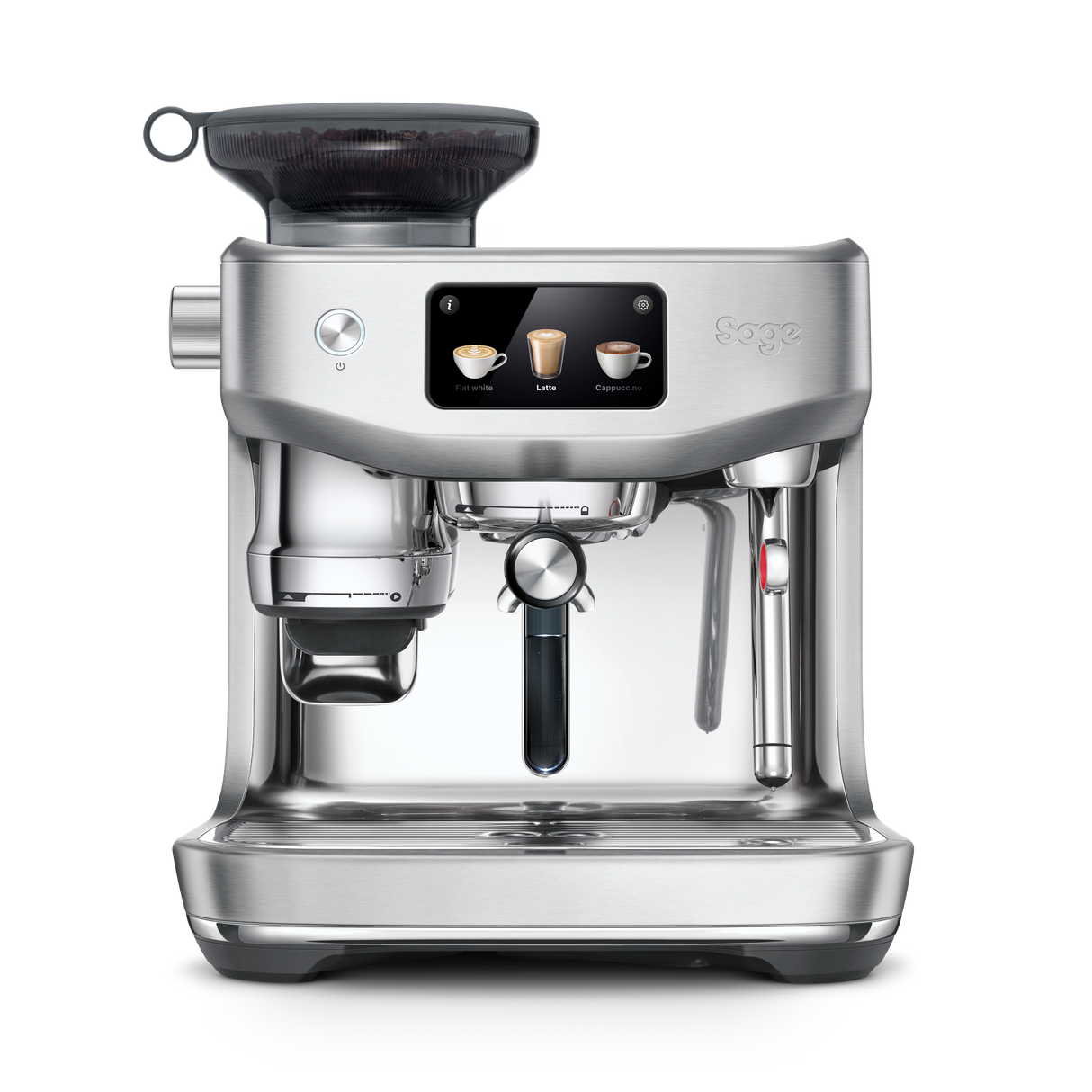
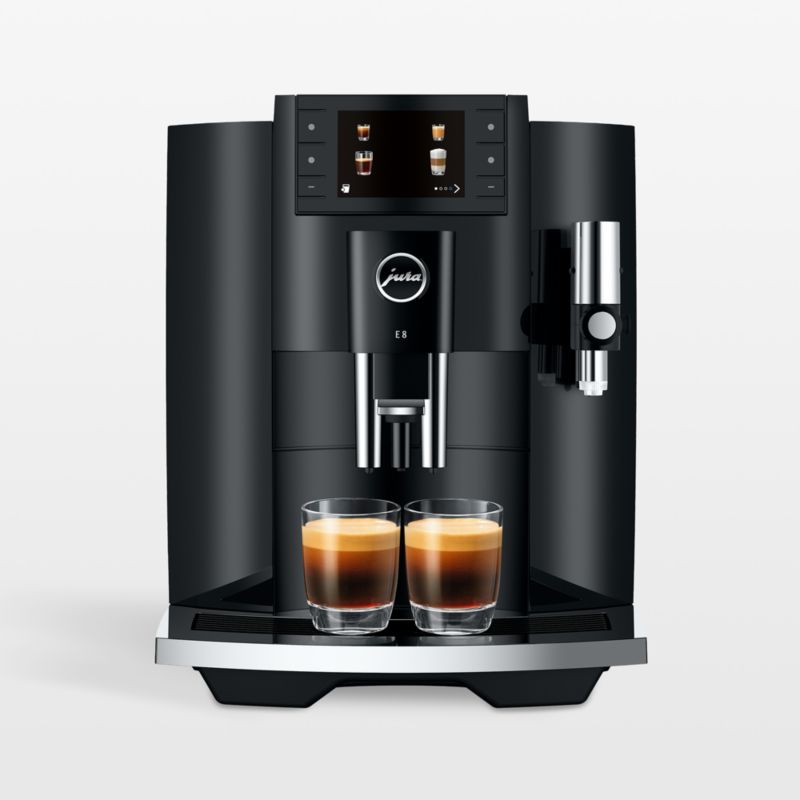
Before any of this, you need to have settled on a machine type — our bean-to-cup vs espresso machine guide covers that decision.
If you're only going to spend money on one thing, make it the grinder. A consistent, even grind is the foundation of good extraction, and no amount of expensive beans or flashy machines will compensate for a cheap blade grinder producing a mix of boulders and dust.
For espresso, you need a burr grinder capable of a fine, stepless adjustment. Budget around £80–£200 for a capable hand grinder or £150–£400 for an electric one. For filter and pour-over, the requirements are less demanding — a good hand burr grinder from £40 upwards will do the job well.
Choosing your brewing method
Espresso machine
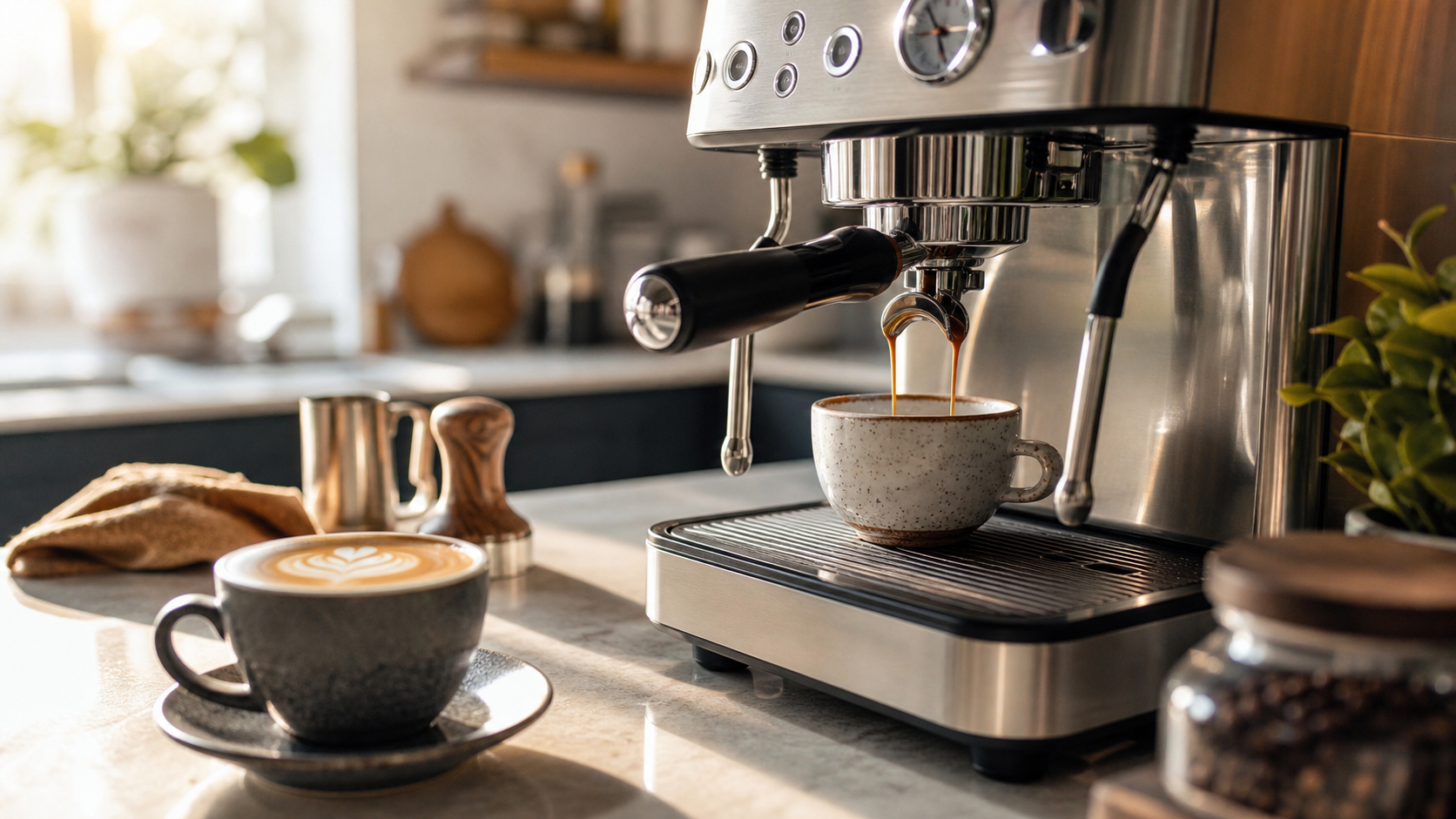
The classic route to flat whites, cappuccinos and lattes at home. A semi-automatic espresso machine gives you control over dose, grind and extraction time — the three variables that determine whether your shot is sour, bitter or perfectly balanced. Expect to spend £200–£600 on a solid home machine, though premium models with PID temperature control and pre-infusion go higher.
The golden rules for espresso:
- Use 18g of coffee to produce 36g of espresso in 25–30 seconds (a 1:2 ratio). This is your starting point — adjust to taste.
- Distribute the grounds evenly in the portafilter before tamping with firm, level pressure.
- Purge the group head with a short flush before locking in the portafilter.
- If the shot runs too fast (watery, sour), grind finer. Too slow (bitter, over-extracted), grind coarser.
Pour-over (V60, Chemex, Kalita Wave)
Pour-over is the simplest way to make clean, flavourful filter coffee. The equipment cost is minimal — a V60 dripper costs under £10 — and the technique is meditative once you get the hang of it.
Basic pour-over method:
- Boil water and let it cool to about 92–96°C (30 seconds off the boil).
- Use a medium-fine grind, roughly the texture of table salt.
- Rinse the paper filter with hot water, discard the rinse water.
- Add 15g of coffee, pour 30–40g of water to bloom for 30 seconds.
- Pour the remaining water (total 250g) in slow, concentric circles over 2.5–3.5 minutes.
AeroPress
The AeroPress is the Swiss Army knife of coffee brewing — compact, forgiving, and capable of producing everything from a concentrated pseudo-espresso to a clean filter-style cup. At under £30, it's arguably the best-value piece of coffee equipment you can buy.
French press
A cafetière produces a full-bodied, rich cup with minimal fuss. Use a coarse grind, steep for four minutes, and press slowly. The trade-off is a slightly heavier, more textured cup than filter methods — some love it, some prefer the cleaner taste of pour-over.
Get your water right
Coffee is 98% water, so it matters. Very hard water (common in London and the South East) can make coffee taste flat and chalky, while very soft water can taste sharp. A simple carbon filter jug improves the taste noticeably and also protects your machine from limescale — a major cause of espresso machine failures. If you live in a hard water area, our guide to hard water and coffee machines goes much deeper on descaling schedules, filter types and which machines cope best. The Water Research Foundation notes that mineral content and chlorine significantly affect the taste of brewed beverages — filtering removes the chlorine and moderates the minerals.
Milk steaming — the skill that makes the difference
If you're making lattes or flat whites, steaming milk well is what separates a home attempt from a café result. The goal is microfoam — silky, glossy milk with tiny, uniform bubbles, not a stiff meringue of froth.
How to steam milk properly:
- Start with cold, fresh whole milk (full-fat steams best).
- Submerge the steam wand tip just below the surface — you should hear a gentle "kissing" sound as it introduces air.
- Once the jug feels warm to touch (about 37°C), submerge the tip deeper and angle the jug to create a whirlpool. This integrates the foam into a uniform, silky texture.
- Stop when the jug is too hot to hold comfortably — around 60–65°C. Hotter than 70°C and the milk tastes burnt.
- Tap the jug on the counter to pop any large bubbles, then swirl to polish the foam before pouring.
For latte art: pour from a height to fill the cup, then bring the jug close to the surface and pour more quickly — the white foam will sit on top and you can wiggle to form a heart or rosetta.
The daily cost — cheaper than you think
A bag of excellent specialty beans costs around £8–£12 for 250g, which makes roughly 14 double espressos. That works out at about 60–85p per coffee — compared with £3–£5 at a café. Even factoring in milk and electricity, you're saving well over £1,000 a year if you're a daily coffee drinker.
Common mistakes to avoid
- Using boiling water. 100°C scorches the coffee. Aim for 92–96°C (just off the boil).
- Stale coffee. Buy in small quantities from a roaster, not bulk from a supermarket shelf.
- Ignoring the grinder. A £500 machine with a £20 blade grinder will make worse coffee than a £200 machine with a £150 burr grinder.
- Dirty equipment. Coffee oils go rancid. Clean your portafilter, basket and steam wand after every session; backflush your machine weekly.
- Not weighing. A £10 kitchen scale removes the guesswork from dosing. Consistency is everything.
The bottom line
Making barista-quality coffee at home is absolutely achievable, and you don't need to spend a fortune to get there. A good grinder, fresh beans and a little practice are the three things that make the biggest difference — the machine matters, but less than most people think. Start with one method you enjoy, nail the basics, and you'll quickly find that your home coffee is every bit as good as what you're paying five times more for on the high street. If you're deciding between a manual espresso setup and a one-touch automatic, our Sage vs De'Longhi comparison covers the two biggest brands head to head.