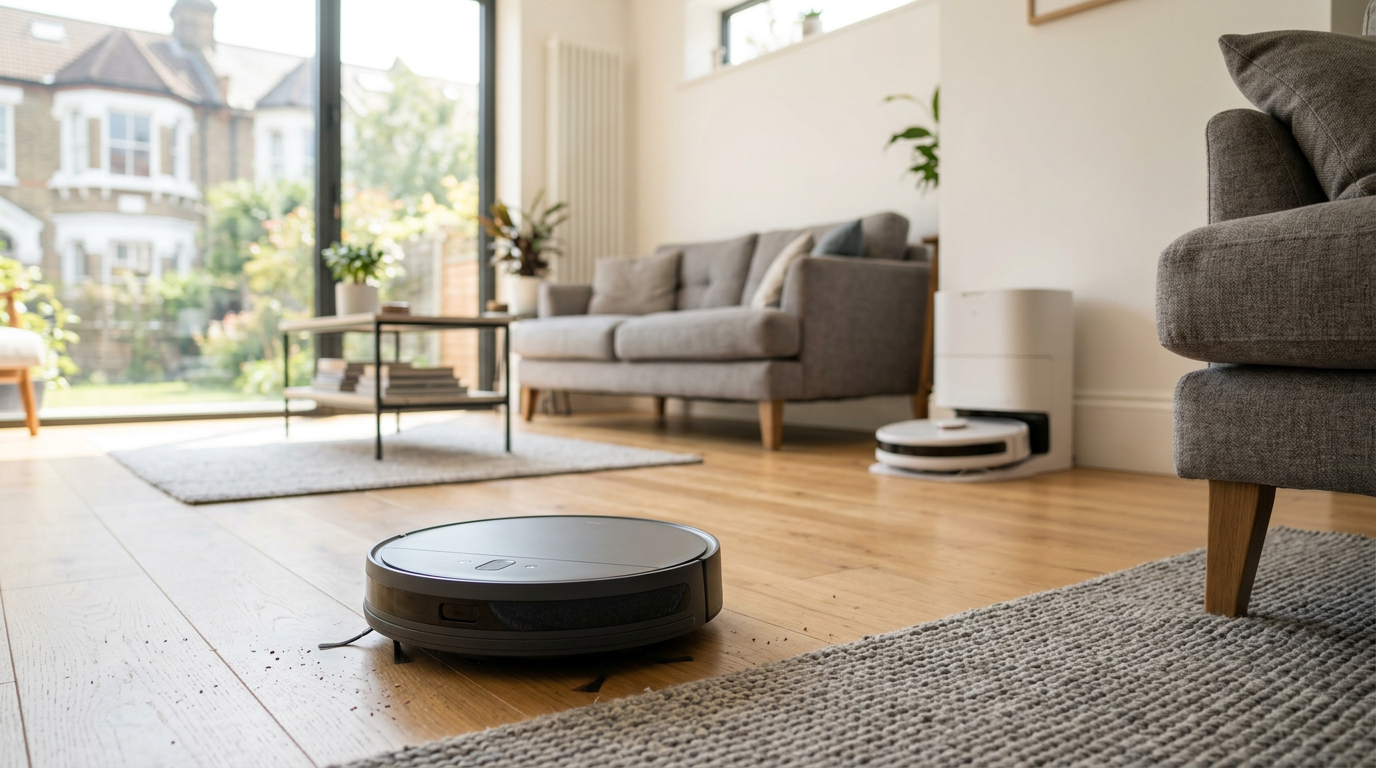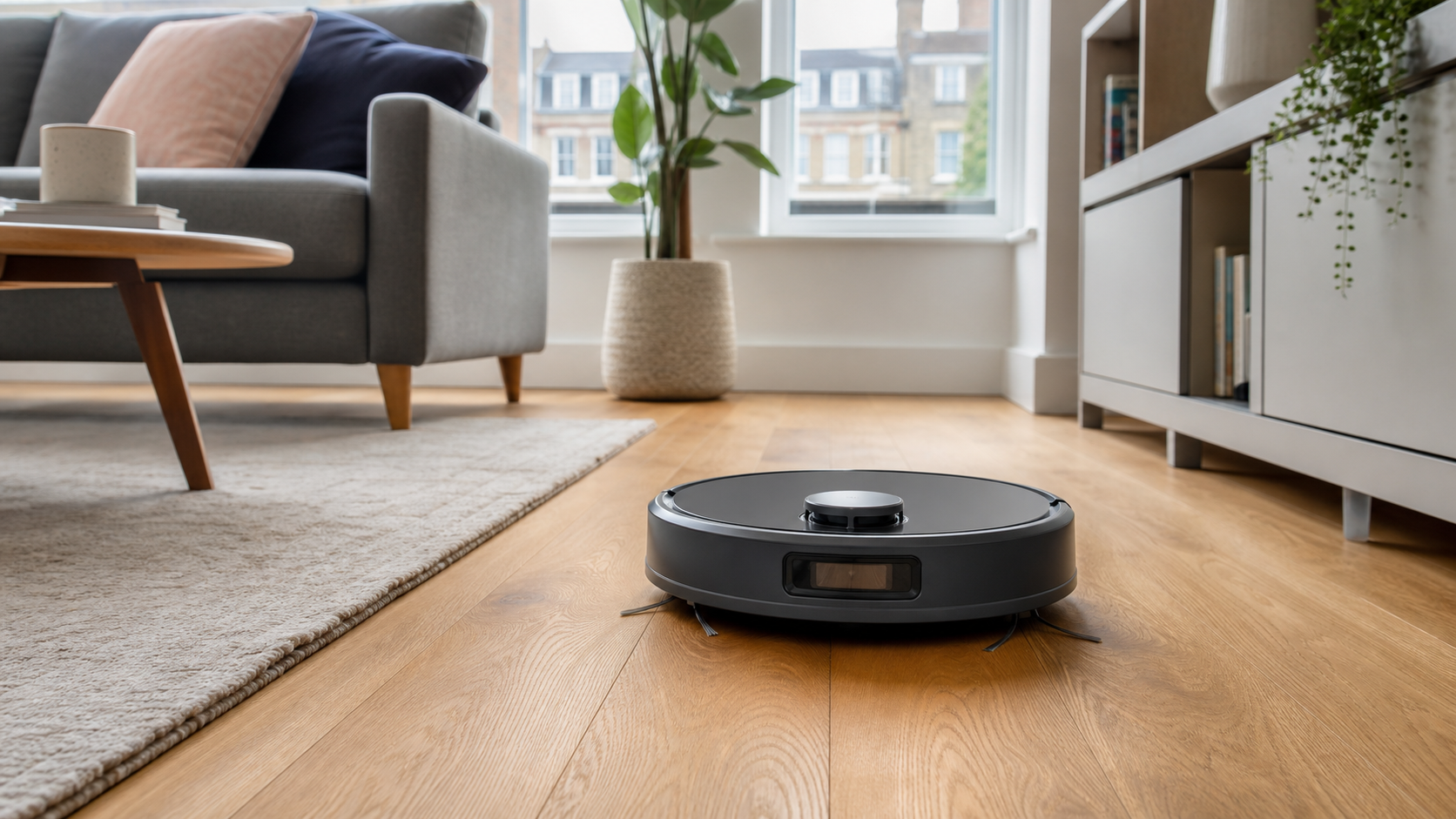
Robot vacuums have come an extraordinary distance in the last few years. The question most people are really asking is not “are they any good?” but “are they good enough to replace my normal vacuum?” After researching every major model on the UK market, comparing independent test results and analysing thousands of verified owner reviews, the honest answer is: for most homes, yes — but not for everyone, and there are some surprisingly common situations where you would be better off saving the money. This guide is an honest rundown based on real data rather than a spec sheet.
Five genuine reasons a robot vacuum is worth it
1. It runs when you are not there
This is the single biggest advantage and the one that justifies the price for most people. A robot vacuum set to a daily schedule keeps your floors in a state that a manual vacuum only reaches right after you have finished the full house. You do not have to think about it, drag anything out of a cupboard, or find 40 minutes in a busy day. If you have got young children, pets, or you both work full time, the cumulative time saving across a year is enormous.
2. It deals with pet hair before it takes over
We have three rescue dogs in a Devon cottage. Before the robot, there were tumbleweeds of fur under the sofa by Wednesday. Now the machine picks up most of it daily, so the fur never has a chance to accumulate into the kind of mess that makes you consider tiling over the carpets. If you have got a shedding breed, a robot vacuum moves from "nice to have" to borderline essential. Our guide to the best robot vacuums for pet hair goes deeper on which models handle thick coats best.
3. Allergy and dust control
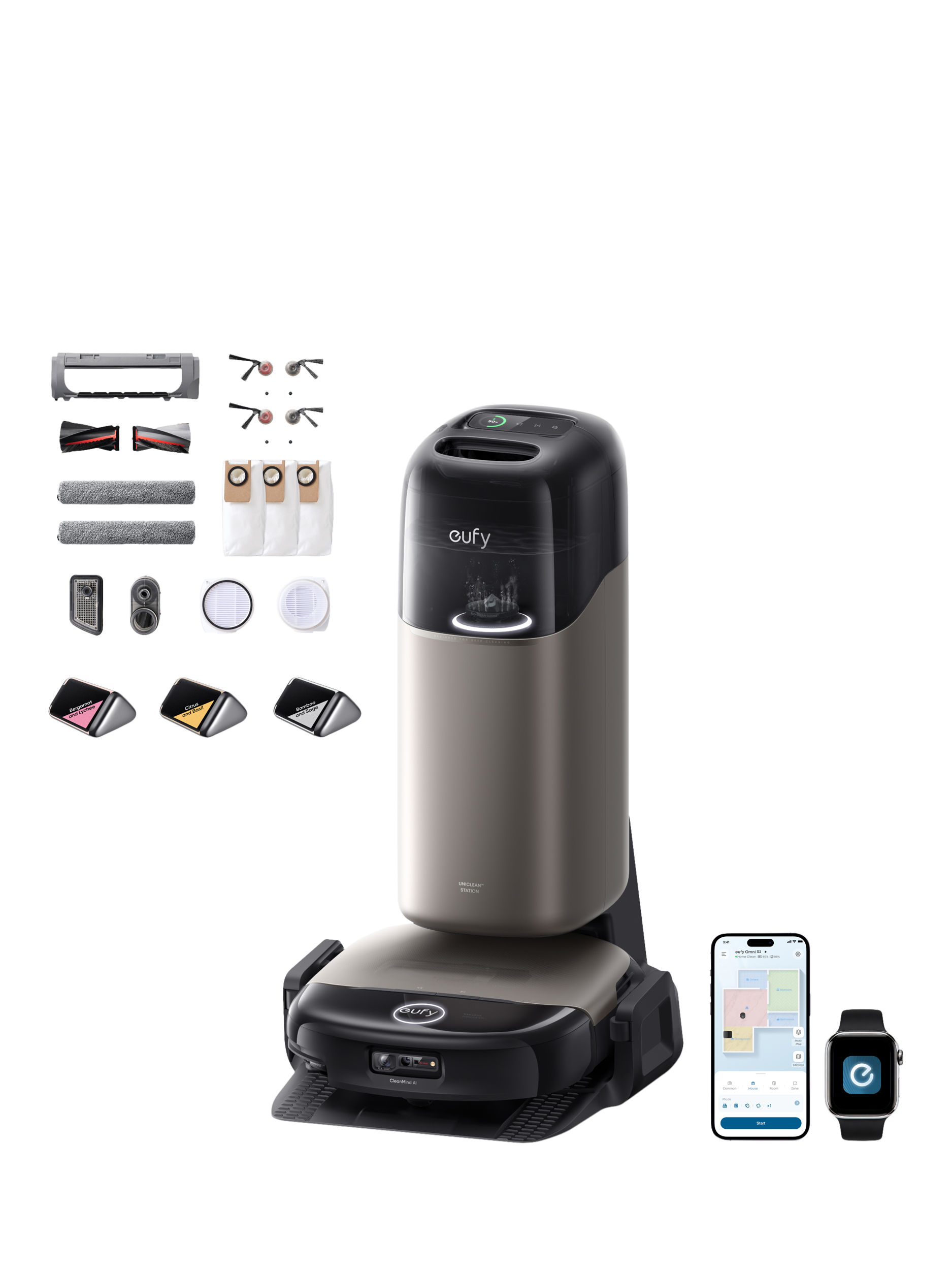
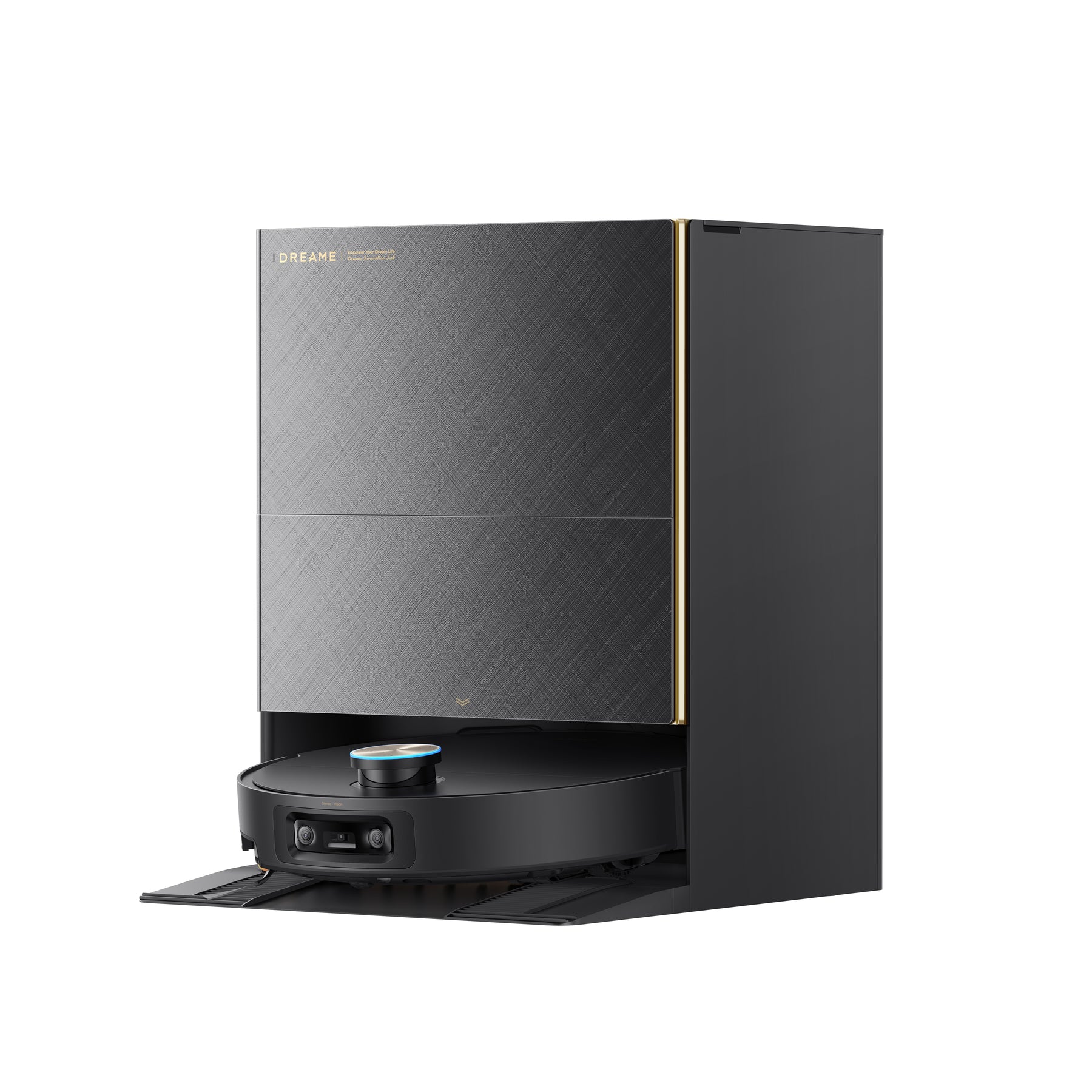
Daily vacuuming makes a measurable difference to indoor air quality, especially for anyone with dust mite allergies or asthma. The NHS guidance on managing allergies recommends regular vacuuming as a core control measure. Most people do not vacuum daily by hand because life gets in the way — a robot does it without being asked. Several current models, including the eufy Omni S2 and the Dreame X60 Ultra, now auto-empty into a sealed dust bag in the dock, so you are not tipping allergens back into the air every time you empty the bin.
4. Running costs are tiny
A robot vacuum uses about 30 to 80 watts while cleaning, which works out at roughly 1p to 2p per clean at current UK electricity rates. Even running it every single day, you are looking at well under £7 a year in electricity — less than a single tank of fuel for a petrol mower. The ongoing cost is essentially zero. We broke down the exact maths in our robot vacuum electricity cost guide.
5. Modern navigation actually works
Early robot vacuums bounced off walls like a drunken Roomba and missed whole rooms. Current LiDAR and camera-based models map your house on the first run and then follow efficient room-by-room routes, adjusting suction when they detect carpet. They remember where each room is, so you can send them to the kitchen after dinner without running the whole house. It is a genuine step-change from even three or four years ago.
When a robot vacuum is not worth it
Very cluttered floors
If your floors are regularly covered in cables, children's toys, shoes, and bags, you will spend more time tidying up for the robot than you save by not vacuuming. A robot needs a mostly clear floor to work efficiently. It will not destroy your things (most models detect obstacles now), but it will get stuck or simply clean around everything, leaving patches of untouched carpet.
Homes that are mostly stairs
A robot handles a single level brilliantly. If you live in a three-storey townhouse and most of your carpet is on the stairs and landing, the robot can only do the ground floor — it cannot climb stairs and probably never will. You still need a handheld or upright for the rest, which undermines the time-saving argument.
Thick, high-pile carpet throughout
Robot vacuums handle short and medium pile carpet well — our carpet guide covers the detail — but if your entire house is deep shag or very thick, plush carpet, even premium models struggle to move smoothly and extraction drops off. Hard floors and standard carpet are the sweet spot.
You genuinely enjoy vacuuming
Some people find vacuuming meditative or satisfying. If that is you, a robot takes away something you actually like doing. No judgement — it is your house.
What a robot vacuum does well vs what it does badly
| Does well | Does badly |
|---|---|
| Daily maintenance of hard floors and standard carpet | Stairs — cannot climb them |
| Pet hair on open floor areas | Tight corners and around chair legs |
| Under beds and sofas you would never reach | Deep, high-pile rugs and very thick carpet |
| Scheduled, unattended cleaning | Heavily cluttered rooms |
| Mopping (hybrid models) | Serious spills or ground-in stains |
How much should you spend?
Robot vacuums range from under £200 to over £1,000. Here is a rough guide to what each tier gets you:
- Under £200: Basic navigation, decent suction, manual bin emptying. The Lefant M1 sits here and does a competent job for a small flat or a single room, but it will not map your house or empty itself.
- £350–£600: LiDAR mapping, room-by-room control, stronger suction, often a self-emptying dock. The Shark Matrix Plus 2-in-1 and eufy Omni C28 live here. This is the sweet spot for most households — genuine set-and-forget convenience without flagship pricing.
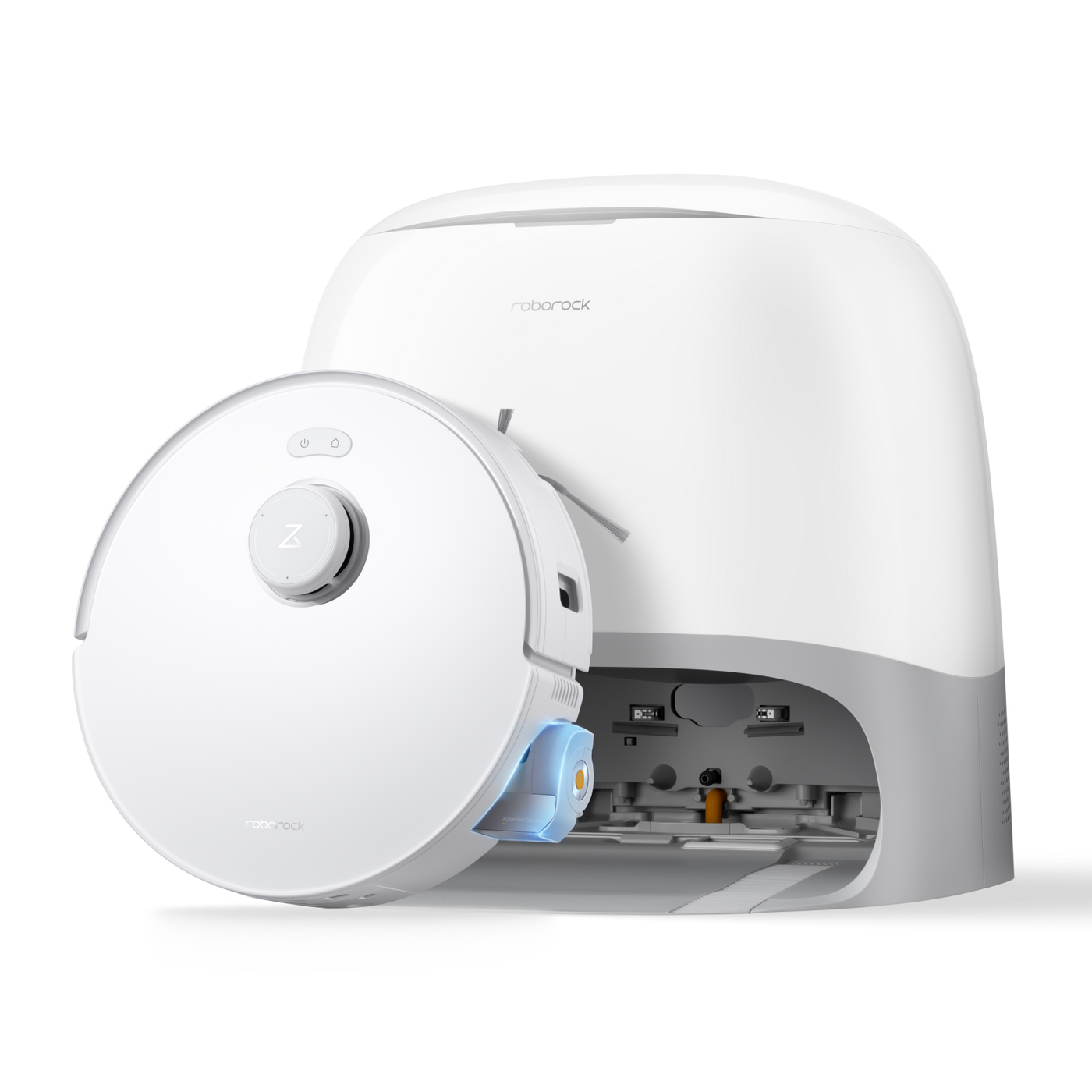
- £600–£1,100: Premium obstacle avoidance, self-cleaning mop pads, hot-water washing docks, AI object recognition. The Roborock Qrevo Curv, ECOVACS Deebot T30 Omni, and eufy Omni S2 are the picks here if you want the full hands-off experience, including mopping.
The independent lab tests at Which? are worth checking for suction and battery figures before you commit — manufacturer claims and real-world performance do not always agree.
Robot vacuum vs a good cordless — do you need both?
Honestly, for most people, yes. A robot handles the daily maintenance — keeping floors presentable between proper cleans. A cordless upright handles the occasional deep clean, stairs, upholstery, and the bits the robot physically cannot reach. The robot does not replace the upright; it means you use the upright far less often. I went from vacuuming every other day to vacuuming properly once a fortnight, and the floors are actually cleaner now than they were before.
The verdict
A robot vacuum is worth it if you value your time, you have mostly clear floors, and the majority of your living space is on one or two levels. It is not a luxury gadget any more — the mid-range models around £400 to £600 genuinely deliver on the set-and-forget promise and will keep your floors in better condition than most of us manage with a manual vacuum and good intentions.
It is not worth it if your house is heavily cluttered, mostly stairs, or wall-to-wall deep shag carpet. In those situations, the robot will frustrate you more than it helps, and you would be better served by a decent cordless.
If you are leaning towards buying one, work through our ultimate robot vacuum buying guide first — it covers the navigation types, budget bands and specs that decide whether you end up happy. Then start with our full robot vacuum reviews to compare the models side by side, or narrow the field with our guides on pet hair performance and carpet handling. Torn between the two brands most people cross-shop? Our Shark vs Roborock comparison settles which suits your home.