Robot lawn mowers aren't cheap. Even the budget end of the market starts around £350, and a flagship model with RTK navigation and all-wheel drive can run to £3,000. Before spending that kind of money, it's reasonable to want to know how many years you'll get out of it.
The honest answer is 5 to 10 years for the mower itself, with the battery being the component that decides whether you land at the short end or the long end. Here's what actually determines the lifespan, what wears out first, and how to get the most seasons from yours.
Realistic lifespan by price bracket
| Price bracket | Typical lifespan | What limits it |
|---|---|---|
| Budget (under £500) | 4–6 years | Smaller battery with fewer charge cycles, simpler navigation that causes more collisions, less weatherproof housing. The LawnMaster OcuMow at £349.99 is good value but the battery will likely need replacing by year 4. |
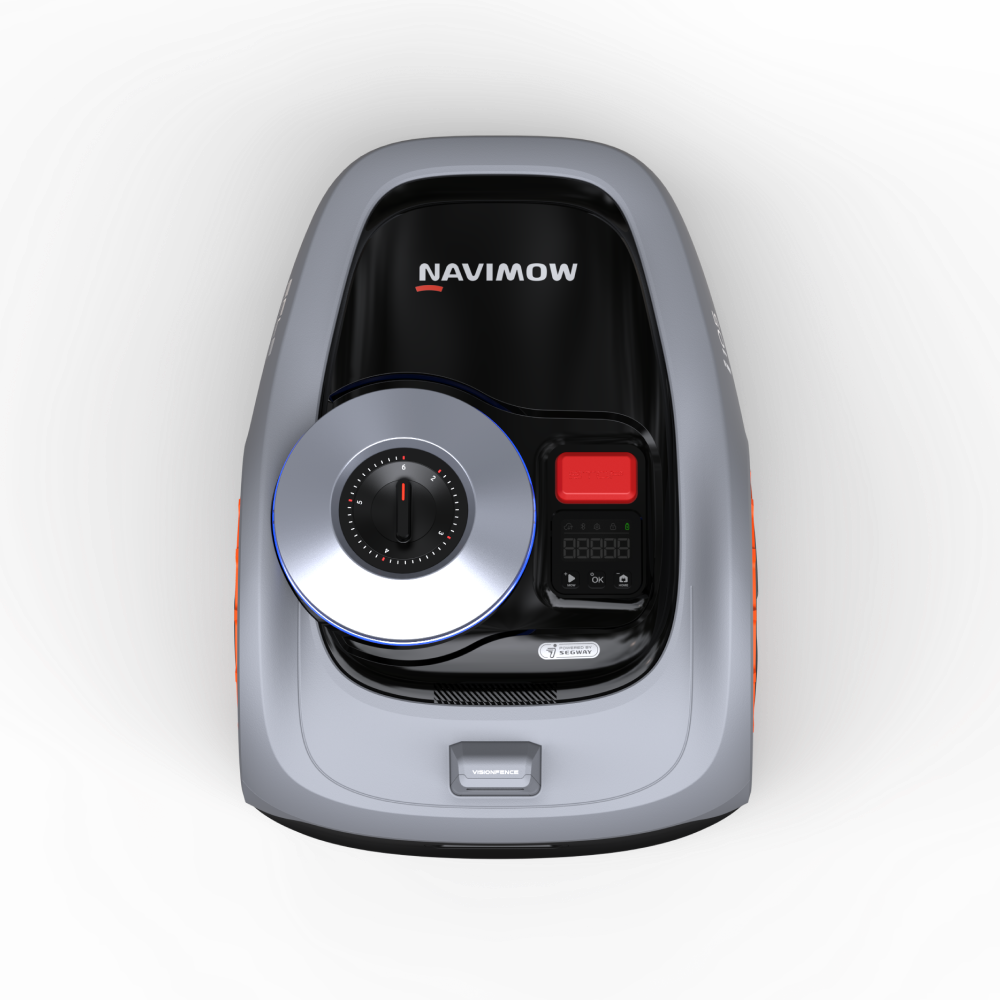
| Mid-range (£500–£1,200) | 6–8 years | Better battery chemistry, more robust motors, smarter navigation that reduces bumps. Models like the Segway Navimow i105E and Bosch Indego S+ 500 are built for this kind of longevity. |
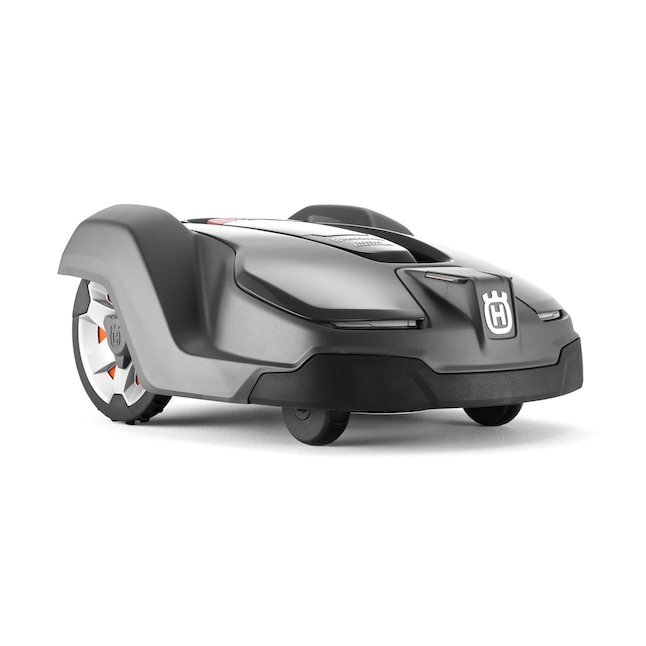
| Premium (£1,200+) | 8–10+ years | Commercial-grade motors, replaceable battery packs, weather-sealed electronics. The Husqvarna Automower 430X has a well-documented track record of machines running 8+ seasons with basic maintenance. |
For context, a traditional petrol mower lasts 8–12 years, and a decent cordless mower 5–8 years (limited by battery, same as a robot). A robot mower running daily does far more cumulative hours than a push mower used weekly, so the fact that premium robots match petrol mower lifespans is genuinely impressive engineering.
The battery is the clock
Every robot mower runs on a lithium-ion battery, and lithium-ion batteries have a finite number of charge cycles. Most are rated for 500–1,000 full cycles, after which capacity drops below about 80% of original and the mower starts returning to the dock more often, covering less ground per session.
In a typical UK mowing season (March to October, roughly 30–32 weeks), a robot mower charges once a day. That's about 220 cycles a year. At 500 cycles you're looking at a noticeable decline after 2–3 seasons; at 1,000 cycles, more like 4–5 seasons. Premium models use higher-quality cells with better cycle life.
The good news is that battery replacement is almost always possible. Costs vary:
| Brand | Replacement battery cost | DIY or dealer? |
|---|---|---|
| Husqvarna | £80–£150 | Dealer recommended but DIY possible |
| Bosch | £60–£100 | DIY with basic tools |
| Worx / Landroid | £60–£90 | Easy DIY — slide-out battery pack |
| Segway / Navimow | £80–£120 | DIY |
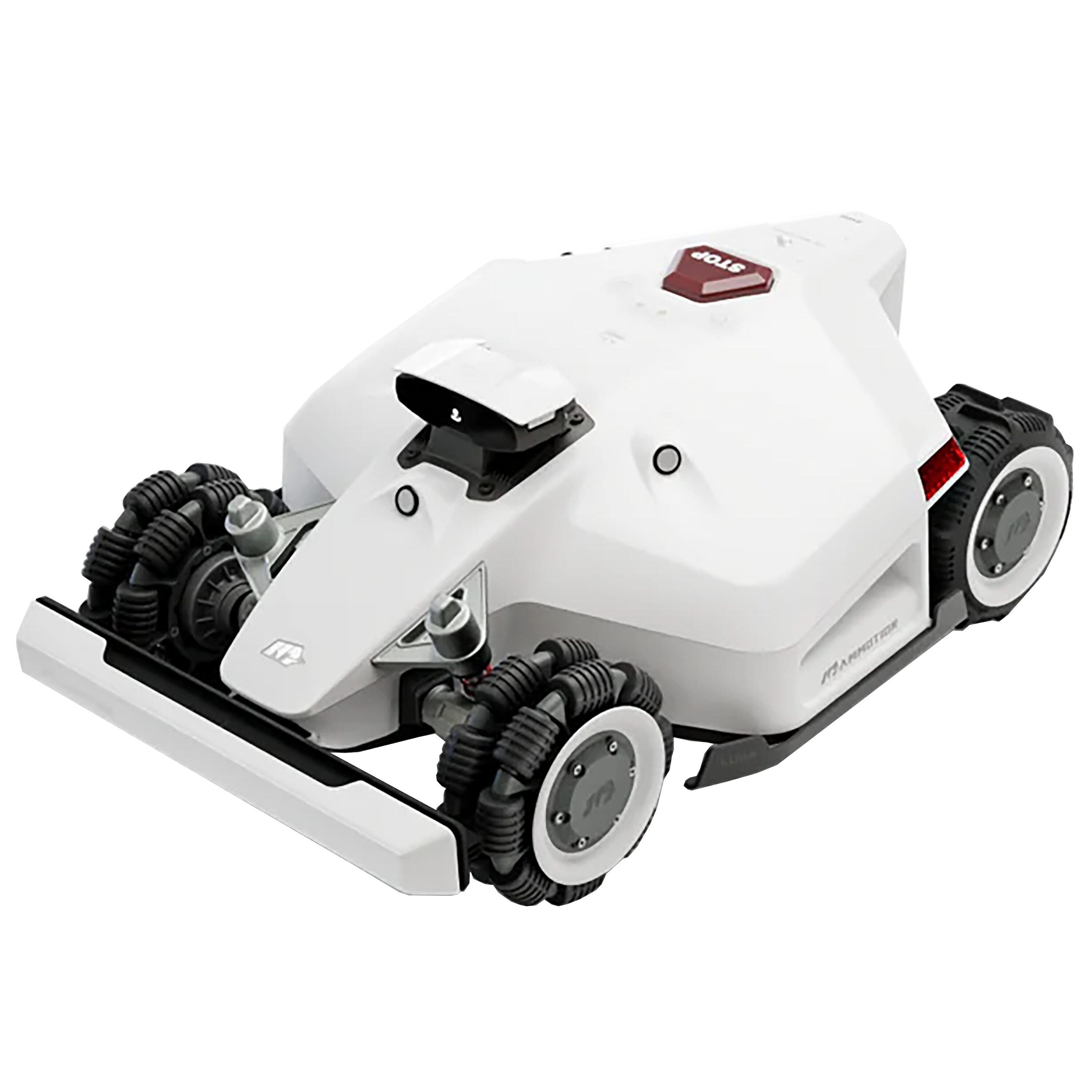
| Mammotion | £100–£150 | DIY |
| Budget brands | Often unavailable | This is the risk — if you can't source a replacement, the mower is finished |
A £80 battery replacement in year 4 is vastly cheaper than a new mower. It's one of the strongest arguments for buying from a major brand — the same argument that applies to inflatable hot tub lifespan, where parts availability determines whether a product lasts 3 years or 7.
What else wears out
Blades
Robot mower blades are consumables, not components — they're designed to be swapped regularly. Most models use either small pivoting razor blades (Husqvarna, Gardena, Worx) that cost £8–£15 for a pack and last 4–8 weeks, or a fixed disc blade (Segway, ECOVACS) that lasts longer but costs £15–25 to replace. Budget about £30–£60 a year on blades. Dull blades tear grass rather than cutting it, which turns tips brown and makes the lawn look worse — it's the most visible maintenance item.
Wheels and drive motors
The wheels wear gradually, especially on models that handle slopes and uneven ground. Tyre tread wears down over 3–5 seasons, reducing grip. On most models the wheels are replaceable (£20–£40 per pair). Drive motors rarely fail outright but can weaken after 5–7 years of daily use, leading to the mower struggling on inclines it previously handled fine.
Boundary wire (if applicable)
Traditional perimeter-wire models use a buried copper wire to define the mowing area. This wire can break — from frost heave, a spade through it while gardening, or simple corrosion over 4–6 years. Finding and repairing a buried wire break is the single most frustrating maintenance job in robot mowing. It's one of the reasons wire-free models like the Worx Landroid Vision and ECOVACS GOAT G1 are increasingly popular — one fewer thing to fail.
Charging contacts
The metal contacts on the dock and mower base corrode over time, especially in damp British conditions. Clean them with fine sandpaper or a pencil eraser once a month. Corroded contacts mean poor charging, shorter runs and premature battery wear — a five-minute job that prevents a cascading problem.
How to maximise the lifespan
- Clean the underside after every few mows. Caked-on grass traps moisture against the housing and blades. A quick brush or rinse underneath takes 30 seconds.
- Change blades on schedule. Don't wait until the lawn looks bad. Fresh blades cut cleaner, put less strain on the motor, and use less battery per session.
- Store it indoors over winter. Remove the battery (or charge it to about 50% if non-removable), clean the mower thoroughly, and keep it in a dry shed or garage from November to February. Leaving it on the dock through a British winter with no grass to cut just ages the battery and exposes the electronics to months of unnecessary damp.
- Keep the charging contacts clean. Monthly wipe with a dry cloth or light sandpaper.
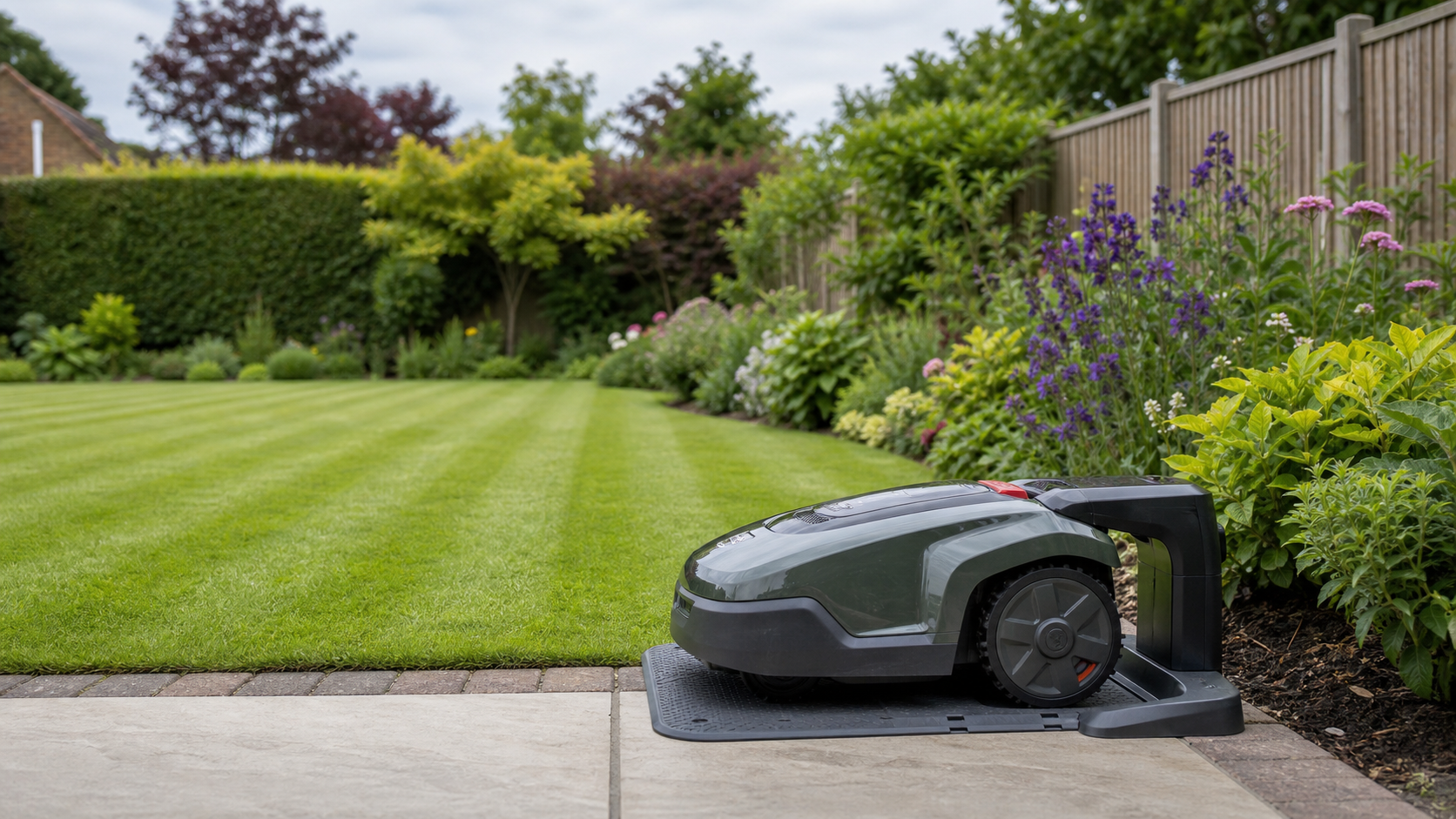
- Shelter the dock. A simple dock garage or cover (£20–£40, or build one from scrap wood) keeps rain and direct sun off the mower while it charges. UV degrades plastic housings over the years, same as it does with inflatable hot tubs.
- Don't mow in heavy rain. Most models are rain-rated and will handle a shower, but sustained wet grass clogs the underside, rusts exposed metal, and makes wheels slip — increasing motor strain. Let it wait for dry-ish conditions.
- Update the firmware. Models with app connectivity push software updates that can improve navigation efficiency and battery management. Don't ignore them.
Annual running cost breakdown
The electricity cost of running a robot mower is negligible — about £15–£25 a year at current Ofgem rates (most draw 20–30W while charging, for 60–90 minutes a day). The real annual costs are:
| Item | Annual cost |
|---|---|
| Electricity | £15–£25 |
| Blades | £30–£60 |
| Battery replacement (amortised over 4–5 years) | £15–£35 |
| Wheels / misc parts (amortised) | £5–£10 |
| Total | £65–£130 per year |
Compare that to a petrol mower at £50–£80 a year in fuel alone, plus servicing. Or the value of your time — if mowing takes an hour a week for 30 weeks, that's 30 hours a year you get back. As we covered in our guide to whether robot lawn mowers are worth it, the economics make sense for most households with a medium to large lawn.
When to repair vs when to replace
| Issue | Repair or replace? |
|---|---|
| Battery holding less charge | Replace the battery (£60–£150). Worth it on any mower under 6 years old. |
| Broken boundary wire | Repair — find the break with a wire locator, splice and waterproof it. Or upgrade to a wire-free model if it keeps happening. |
| Wheels worn smooth | Replace the wheels (£20–£40). Easy DIY. |
| Drive motor failing | Repair if under 5 years old and parts are available. Replace if older — the battery is probably nearing end of life too. |
| Main board / electronics failure | Replace. Board repairs are rarely cost-effective on consumer mowers, and a 5+ year old board failure usually means other components are close behind. |
| Housing cracked or warped | Replace. UV and impact damage to the shell usually means the seals are compromised and water will reach the electronics. |
The short version
- Expect 5–10 years from a well-maintained robot mower, with budget models at the low end and premium at the high end.
- The battery is the limiting factor — plan on replacing it once, around year 4–5, for £60–£150.
- Buy from a major brand where replacement batteries and parts are available. A mower with no spare parts supply is effectively disposable.
- Blades are consumables — budget £30–£60 a year and change them before the lawn tells you to.
- Store it indoors over winter and shelter the dock from rain and sun during the season.
- Total running cost is £65–£130 a year including electricity, blades and amortised battery replacement.
A robot mower is a significant upfront investment, but the per-year cost of ownership is modest — especially when you factor in the time you get back. For an independent take on which models hold up best over multiple seasons, Which? includes reliability data from owner surveys alongside their lab test results, which is a useful cross-reference for long-term durability.