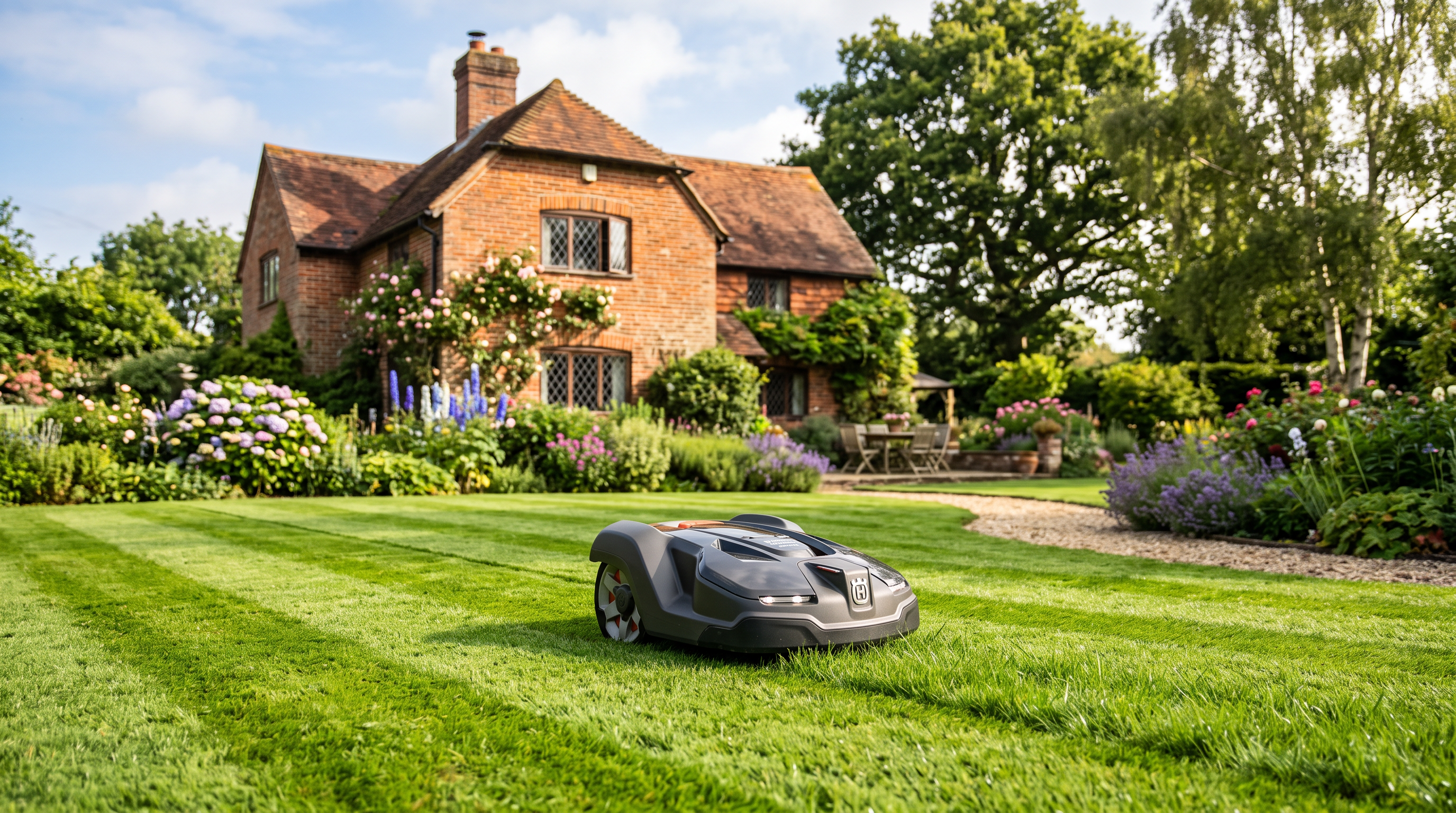
Robot lawn mowers have gone from a pricey novelty to a genuinely mainstream garden gadget. The latest wire-free models navigate by GPS and AI, mow while you're at work, and slip back to their dock to recharge without you lifting a finger. But with prices ranging from around £300 to well over £2,000, the obvious question is: are robot lawn mowers actually worth it?
The honest answer is that for most people with a small-to-medium lawn, a robot mower is one of the best garden purchases you can make — but there are situations where it doesn't stack up. Here's an even-handed look at the real costs, benefits and drawbacks so you can decide.
The short answer
A robot lawn mower is worth it if you value your time, want a consistently tidy lawn, and have a garden it can actually cope with. The convenience is genuinely transformative — most owners describe it as one of those purchases they wish they'd made years earlier. It's less compelling if you have a tiny lawn you can mow in five minutes, a very complex multi-level garden, or a tight budget where the upfront cost is hard to justify.
What you actually get
1. A lawn that's always cut
This is the headline benefit, and it's bigger than it sounds. Instead of a weekly weekend chore, a robot mows little and often — sometimes every day. The result is a lawn that's permanently at the ideal length, with no clumps of clippings to rake up. The fine clippings are dropped back onto the lawn (a process called mulching), which returns nutrients to the soil and often means a healthier, greener lawn over time.
2. Your weekends back
The average UK household spends 30–60 minutes a week mowing during the growing season. Over a spring-to-autumn season that's easily 15–25 hours reclaimed — before you count the faff of dragging the mower out, emptying the box and putting it away.
3. Quiet, and no petrol
Modern robot mowers run at around 55–60 dB — quiet enough to run in the evening without annoying the neighbours. They're fully electric, so there's no petrol to buy, no fumes and no pull-cord to wrestle with.
4. They handle slopes and awkward shapes
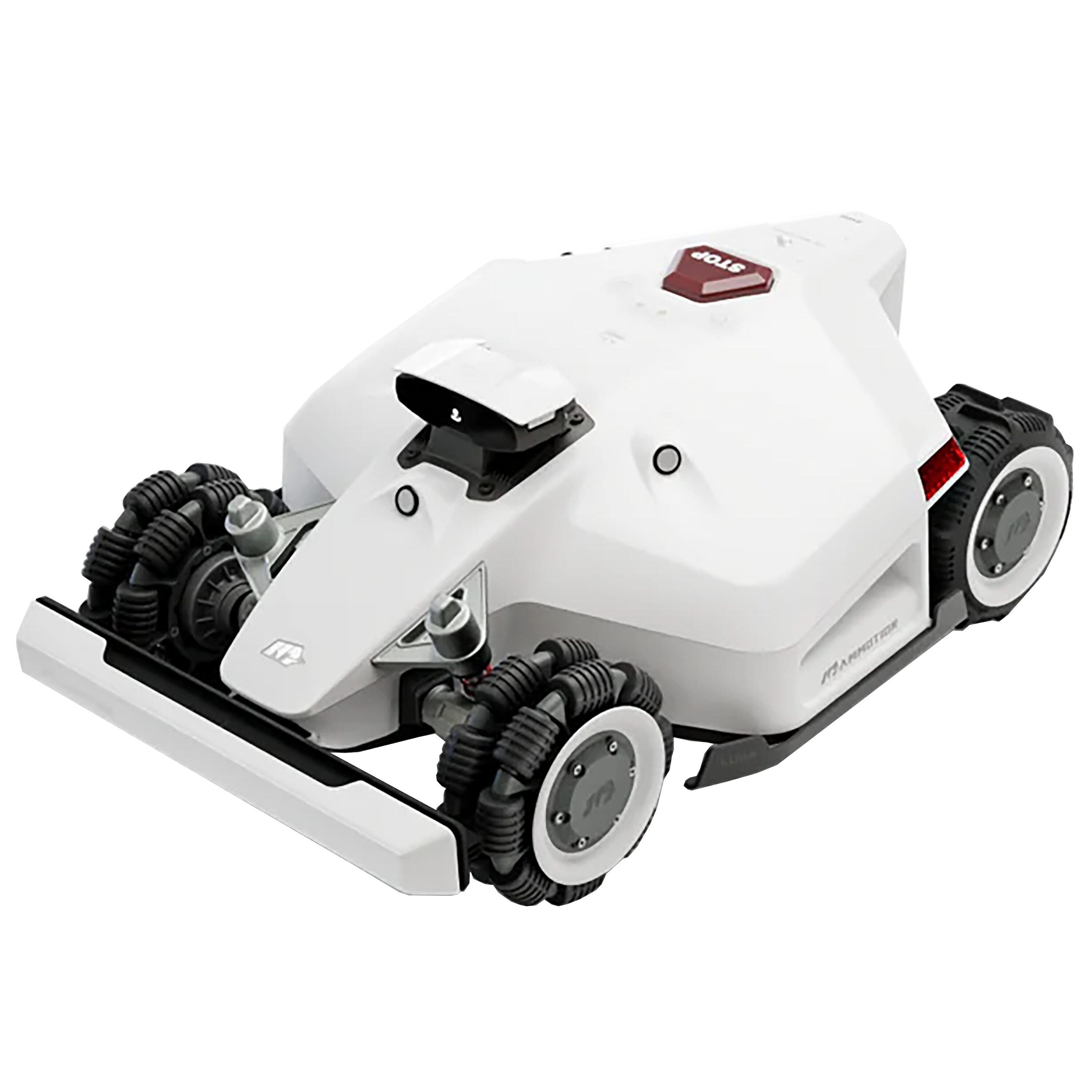
The better models cope with slopes of up to 45% and use GPS or camera navigation to work around flower beds, trees and paths. All-wheel-drive models like the Mammotion LUBA series are specifically built for uneven, hilly gardens that would defeat a traditional mower-and-a-bad-back combination. If your garden has significant inclines, our guide to robot mowers on slopes and uneven lawns covers what the gradient ratings actually mean in practice — and why wet grass changes the numbers.
The honest drawbacks
- Upfront cost. A capable model for an average garden costs £600–£1,200; premium wire-free AI mowers run to £2,000+. Budget boundary-wire models start around £300 but need perimeter wire installing.
- Setup effort. Older boundary-wire models require you to pin or bury a wire around the lawn's edge — a fiddly afternoon's work. Newer RTK-GPS and vision models skip the wire but need a clear satellite signal or careful app-based mapping.
- Not ideal for tiny or very complex gardens. If your lawn is a five-minute job, or it's split into many small disconnected sections, the maths gets harder to justify.
- Security and weather. They live outside, so most rely on a PIN, alarm and GPS tracking to deter theft. Most handle rain fine, but you'll still want to store them over deep winter.
- Edges still need a trim. Robot mowers can't quite reach right to a wall or fence, so occasional edging with a strimmer is still needed.
Running costs — cheaper than you'd think
Electricity is minimal: a robot mower typically uses £5–£15 of electricity per year, far less than the petrol for a conventional mower. The main ongoing cost is replacement blades — small pivoting razor blades that cost a few pounds and need swapping every 1–3 months in the growing season. Budget roughly £20–£40 a year on blades, plus an occasional new battery after 3–5 years.
Are they good for your lawn?
Generally, yes. Frequent mulching mowing encourages denser, healthier grass and naturally suppresses moss and weeds. For the best results the Royal Horticultural Society's lawn care guidance is worth a read — cutting little and often (exactly what a robot does) is precisely what they recommend for a thriving lawn.
A note on safety
Modern robot mowers have lift and tilt sensors that stop the blades instantly, and the blades themselves are small and set back from the edge. Even so, if you have young children or pets it's sensible to schedule mowing for times when the garden is empty and to follow basic garden safety advice from RoSPA. Never let children treat the mower as a toy while it's running.
Who should buy one?
Buy one if: you have a lawn of roughly 100–2,000m², you'd rather spend your weekends doing anything other than mowing, you want a consistently immaculate lawn, or you struggle physically with a conventional mower.
Think twice if: your lawn is tiny, extremely fragmented, or you genuinely enjoy the ritual of mowing. In those cases the payback on the upfront cost is harder to feel.
The verdict
For the majority of UK gardens, a robot lawn mower is absolutely worth it. The convenience is real and lasting, the running costs are tiny, and the lawn genuinely ends up looking better. The key is choosing the right model for your garden — matching the navigation type, slope capability and coverage area to your specific plot. Overspend on features you don't need and it feels expensive; underspend for your garden's size and it'll struggle. Get the match right, and it quickly becomes the garden gadget you can't imagine living without. If you've narrowed it down to the big two premium brands, our Husqvarna vs Worx comparison weighs up boundary-wire reliability against wire-free camera convenience. And if you're wondering how long that investment will pay off, we've broken down how long robot lawn mowers actually last — including battery replacement costs and annual maintenance.