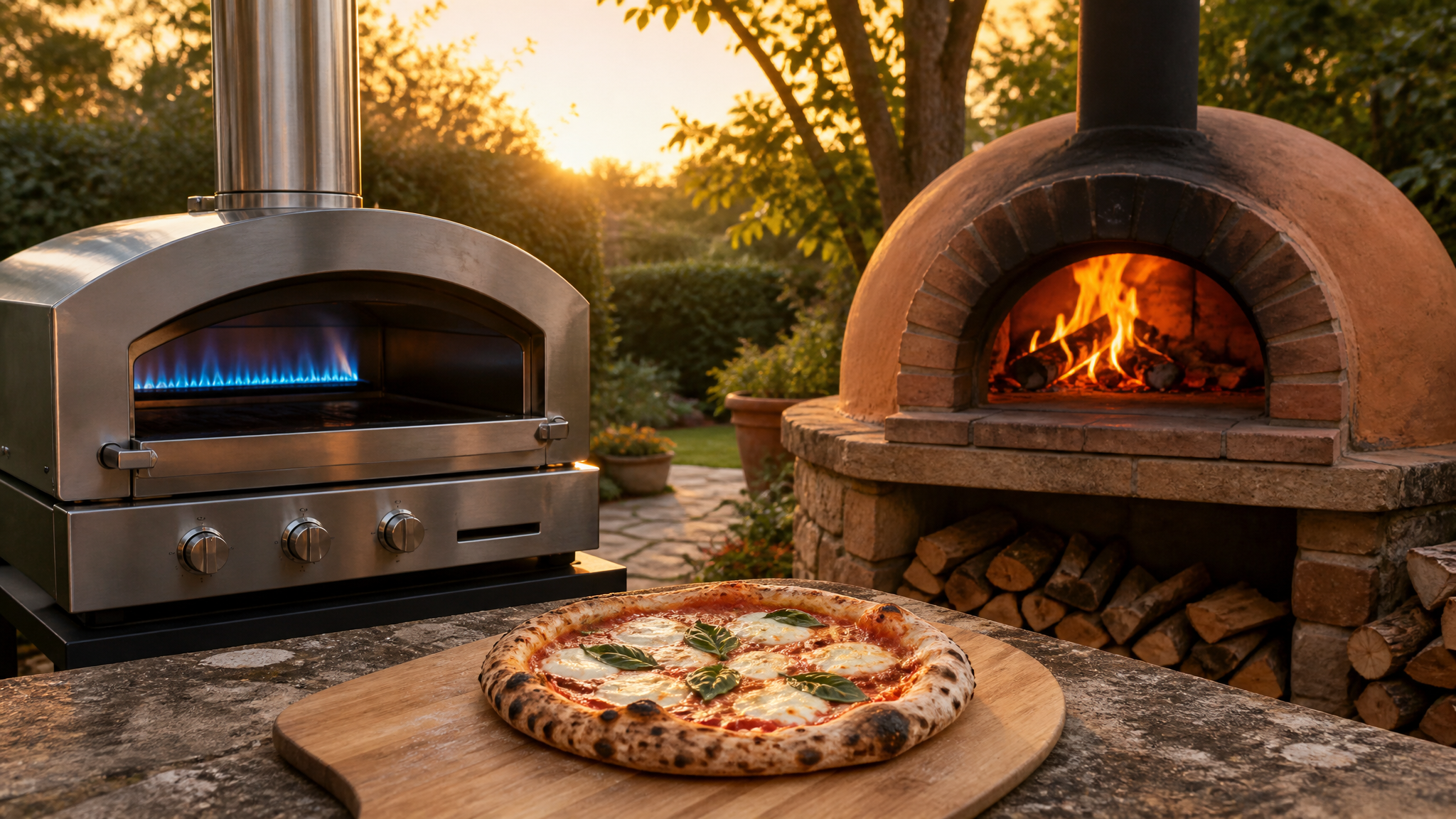
You have decided you want a proper pizza oven in the garden. Good choice — nothing else gets your base to the 400–500°C that a real Neapolitan pizza needs, and no indoor oven comes close. But almost immediately you hit the big fork in the road: gas or wood-fired?
The honest answer is that neither is "better" — they suit different people. Get this decision wrong and you will either be fighting a fire every time you fancy a quick midweek pizza, or feeling faintly cheated that your expensive oven tastes exactly like your kitchen one. Here is how to choose the right one for how you will actually use it.
The 30-second answer
- Buy gas if you want pizza on a weeknight without fuss, you value consistent results, or this is your first pizza oven.
- Buy wood if the ritual is part of the appeal, you chase that smoky, blistered, restaurant-style flavour, and you do not mind a longer, more hands-on process.
- Buy a dual-fuel oven if you genuinely cannot decide — but read the honest caveat further down before you assume it gives you the best of both.
How they actually differ
Gas: convenience and control
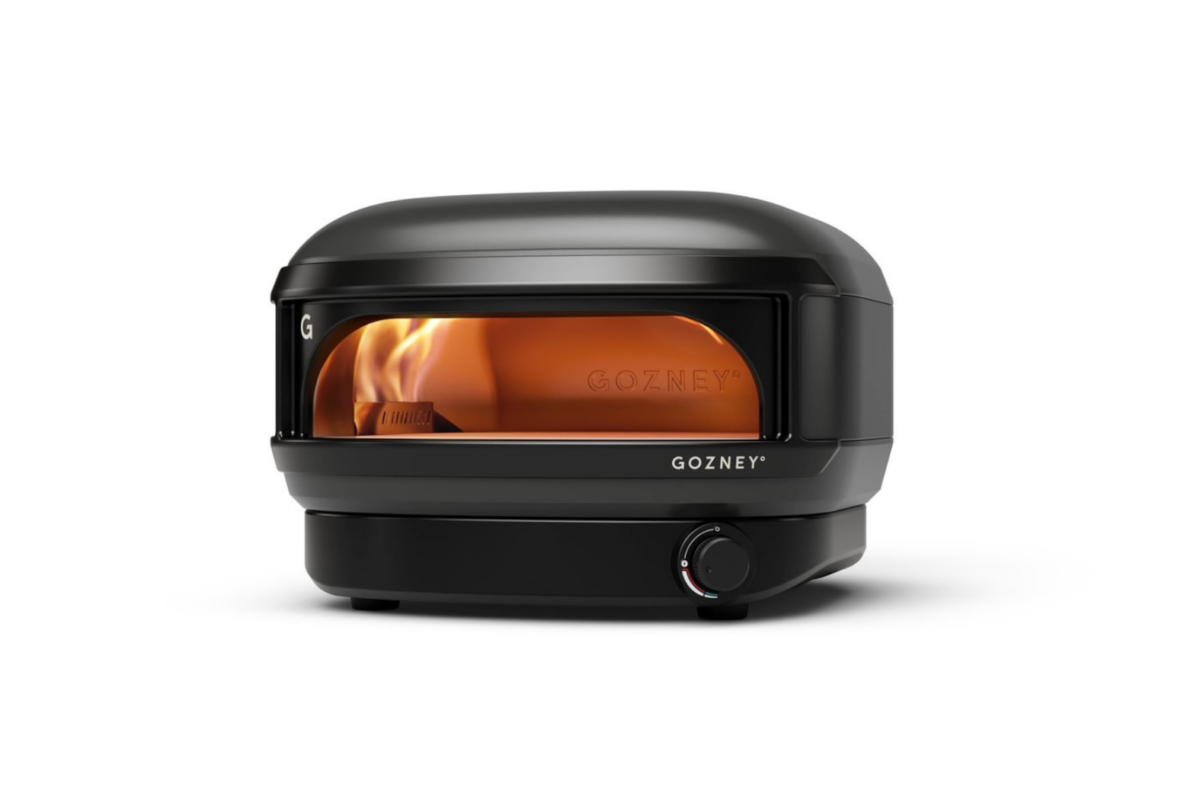
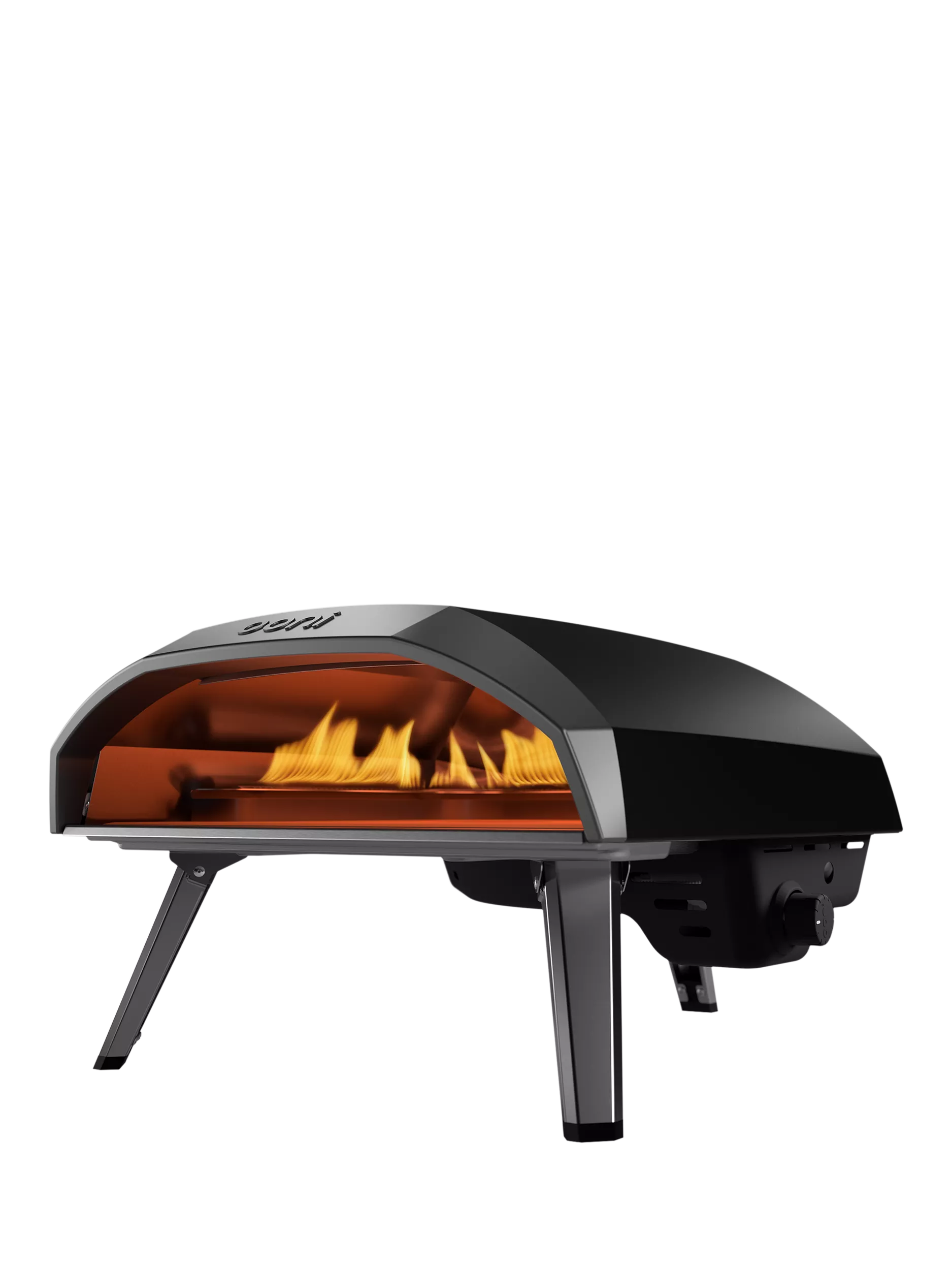
A gas oven runs off a standard propane bottle and lights with the turn of a knob. You are at cooking temperature in 15–20 minutes, the heat holds rock-steady, and when you are done you turn it off. That is the entire appeal, and it is a bigger deal than enthusiasts admit.
The consistency is the real winner. Because you can dial the flame up or down, you get the same result on pizza number one as on pizza number eight — which matters when you are feeding a hungry group and cannot afford a couple of burnt write-offs while you find your rhythm.
The trade-off is flavour. A good gas oven makes an excellent pizza with a beautifully leopard-spotted crust. What it cannot do is add that faint woodsmoke character that defines a proper wood-fired pizza. Most people genuinely cannot tell in a blind taste test — but the ones who can, care a lot.
Wood: flavour and ritual
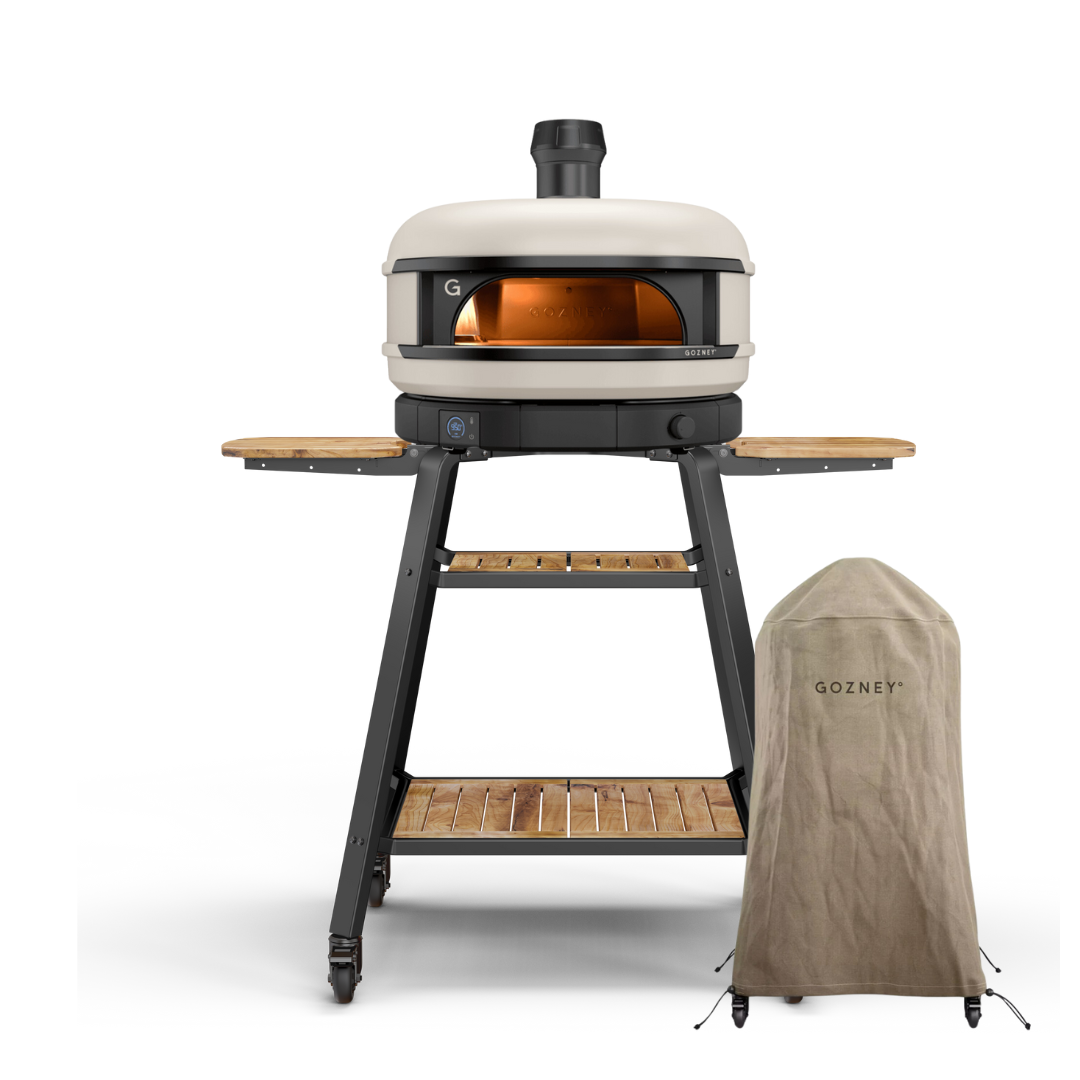
A wood-fired oven gives you two things gas simply cannot: a genuine smoky flavour, and the experience of live-fire cooking. For a lot of owners, standing over the oven feeding it kindling on a summer evening is the point — it is a hobby, not just dinner.
The flavour is real and it is lovely. But be clear-eyed about the effort. You need to light the fire and manage it for 30–45 minutes before cooking, keep feeding small pieces of wood to hold the temperature, and learn to read the flame. You will also need a supply of properly dried hardwood or kiln-dried logs — which is an ongoing cost and a storage requirement most people forget to factor in.
There is a real skill curve, too. Your first few wood-fired pizzas may well be scorched on one side and pale on the other while you learn to rotate them and manage hot spots. That is part of the journey if you enjoy the craft — and genuinely annoying if you just wanted dinner.
Electric — the third option worth knowing about
Worth a quick mention: a handful of ovens (the Ooni Volt and Sage-style indoor models) run on mains electricity. They can be used indoors, need no gas bottle or logs, and are the most convenient of all — but they are pricier, generally slightly less fierce than gas or wood, and only make sense if outdoor fuel is impractical for you. If you have no outdoor space at all, this is your route in.
Head to head
| Gas | Wood-fired | |
|---|---|---|
| Time to ready | 15–20 min | 30–45 min |
| Ease of use | Very easy | Skill required |
| Temperature control | Precise, instant | Manual, learned |
| Flavour | Excellent | Excellent + woodsmoke |
| Running cost | Gas bottle refills | Ongoing wood supply |
| Clean-up | Minimal | Ash removal |
| Best for | Weeknights, groups, beginners | Weekends, hobbyists, flavour chasers |
The dual-fuel question
Plenty of ovens now offer both — a wood firebox plus a bolt-on gas burner. It sounds like the perfect answer, and for some people it is. Gas on a Tuesday, wood on a Saturday.
But be realistic about two things. First, the gas burner is usually an added-cost accessory, so the "do everything" oven often costs meaningfully more once you have bought both parts. Second, switching fuels is not instant — you cannot flick from wood to gas mid-cook. In practice, many dual-fuel owners settle into using one fuel almost exclusively within a few months. Buy dual-fuel because you genuinely want the flexibility, not as a way to dodge the decision — you will usually still make it.
What else to weigh up before buying
- How often will you really use it? Be honest. If the answer is "the odd weekend", the low-faff gas oven will get used far more than a wood oven that feels like a project to fire up.
- Size and capacity. A 12-inch oven cooks one pizza at a time — fine for a couple, frustrating for a family. A 16-inch model lets you cook bigger pizzas or turn them more easily. Bigger ovens also take longer to heat and burn more fuel. Our guide to what size pizza oven you actually need breaks down the realistic pizza each size cooks. And if you are still weighing up whether to buy one at all, our honest verdict on whether pizza ovens are worth it covers the full picture, and our Ninja Woodfire vs Ooni comparison pits the two most popular brands head to head.
- Storage and safety. Both types get ferociously hot and need a stable, non-combustible surface with clearance from fences and walls. If you're building your oven into a larger outdoor kitchen setup, our guide to outdoor kitchen planning permission covers whether you need consent — and the smoke rules worth knowing about. The UK's Royal Society for the Prevention of Accidents (RoSPA) offers sensible general guidance on safe outdoor cooking and keeping children and pets clear of hot surfaces — worth a look before your first cook.
- Getting the base right. Whichever fuel you choose, a screaming-hot oven will still turn out a soggy pizza if the dough or toppings are wrong. BBC Good Food's pizza oven guidance is a good, brand-neutral starting point for technique and getting the most from whichever oven you land on.
For a detailed look at what each fuel type costs per pizza and per session, see our full guide to pizza oven running costs in the UK.
The verdict
For most UK buyers — and especially first-timers — a gas oven is the one we would point you towards. It gets used more, forgives beginners, and turns out genuinely excellent pizza with almost no fuss. The convenience is what keeps it in weekly rotation rather than gathering cobwebs under a cover.
Choose wood-fired if you already know you love live-fire cooking, you want that last few per cent of smoky flavour, and the process itself is part of the pleasure. And consider dual-fuel only if you have a clear, honest reason to want both — not as a way to avoid choosing.
Whichever way you lean, the single biggest jump in quality is simply owning a proper high-temperature oven at all. Get that right and the fuel is a matter of taste.