Every summer, social media fills with people pulling perfect leopard-spotted pizzas out of compact garden ovens and you find yourself wondering: is it actually worth spending £250–£1,000 on one? After researching every major model on the UK market, analysing independent test data and reviewing hundreds of verified owner reports, this is the honest answer.
The short version
If you eat pizza once a week or more, enjoy cooking outdoors, and have a garden or patio with space for a small table, a pizza oven is one of the best purchases you will make. If you eat pizza twice a month from the takeaway and are happy with it, it is not. The maths, the experience and the food quality all point the same way — and I will walk through each.
The food is genuinely better
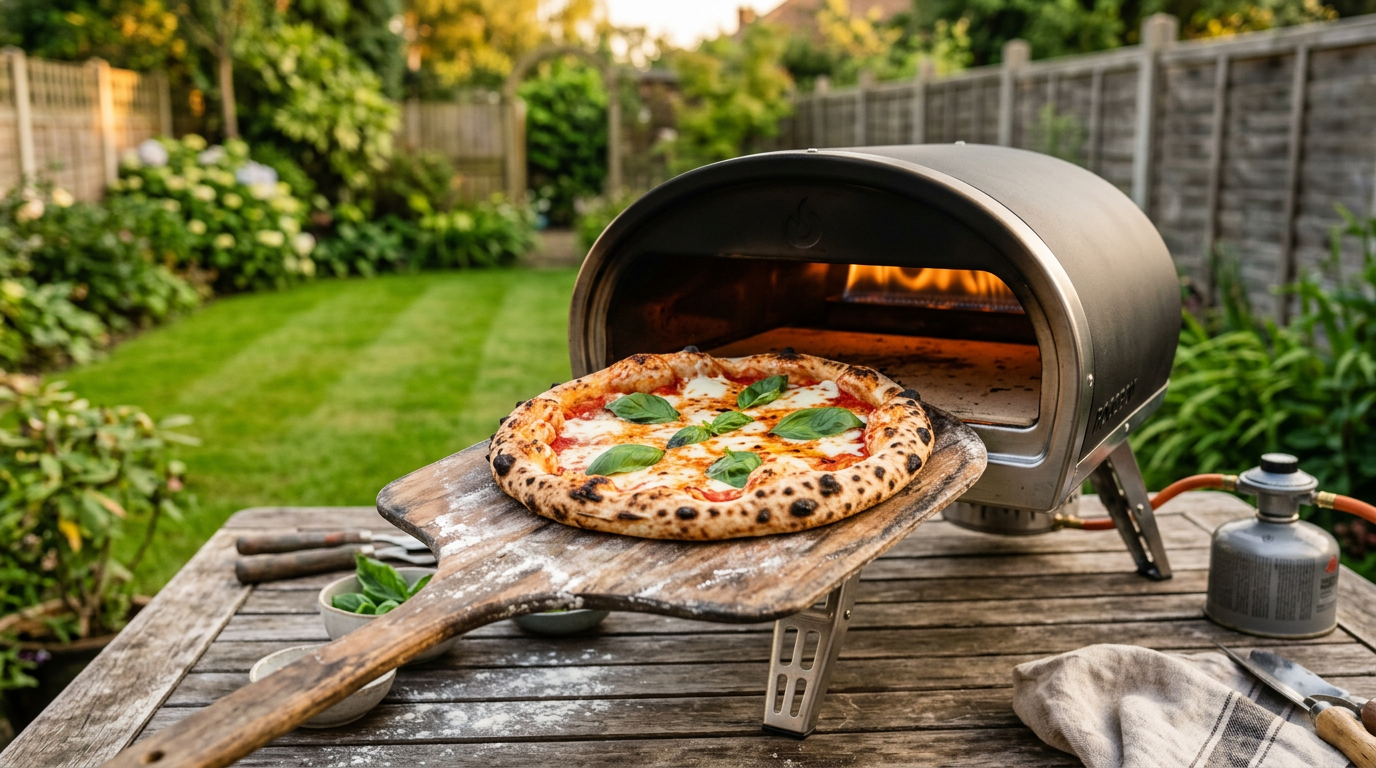
This is not snobbery. A domestic kitchen oven maxes out at around 250°C. A pizza oven — even a compact gas model — reaches 400–500°C. At that temperature a Neapolitan-style pizza cooks in 60–90 seconds. The crust puffs and chars in spots, the mozzarella melts but does not dry out, and the base stays soft with a slight chew. You cannot get that result from a kitchen oven, a barbecue, or a pizza stone, because none of them reach the temperature.
The Associazione Verace Pizza Napoletana specifies a baking surface temperature of 430°C and a cook time of 60–90 seconds. The compact ovens in our reviews genuinely hit those numbers. What comes out is closer to a good Neapolitan restaurant than anything a home oven can produce.
The money argument
Cost per pizza
| Source | Cost per pizza |
|---|---|
| Takeaway Dominos/Papa Johns | £12–£18 |
| Local independent pizzeria | £10–£14 |
| Supermarket fresh (counter) | £4–£6 |
| Supermarket frozen | £2–£4 |
| Homemade in a pizza oven | £1.50–£2.50 |
A bag of 00 flour costs around £2 and makes 6–8 dough balls. A tin of San Marzano tomatoes is £1.50 and sauces 4–5 pizzas. Mozzarella is £1–£2 per ball. Fuel — a gas canister or a bag of kiln-dried wood — adds roughly 30–50p per session of 4–6 pizzas.
So a family making pizza once a week replaces £40–£60 a month in takeaway with £10–15 in ingredients. A mid-range oven pays for itself in 6–12 months.
What about the oven cost itself?
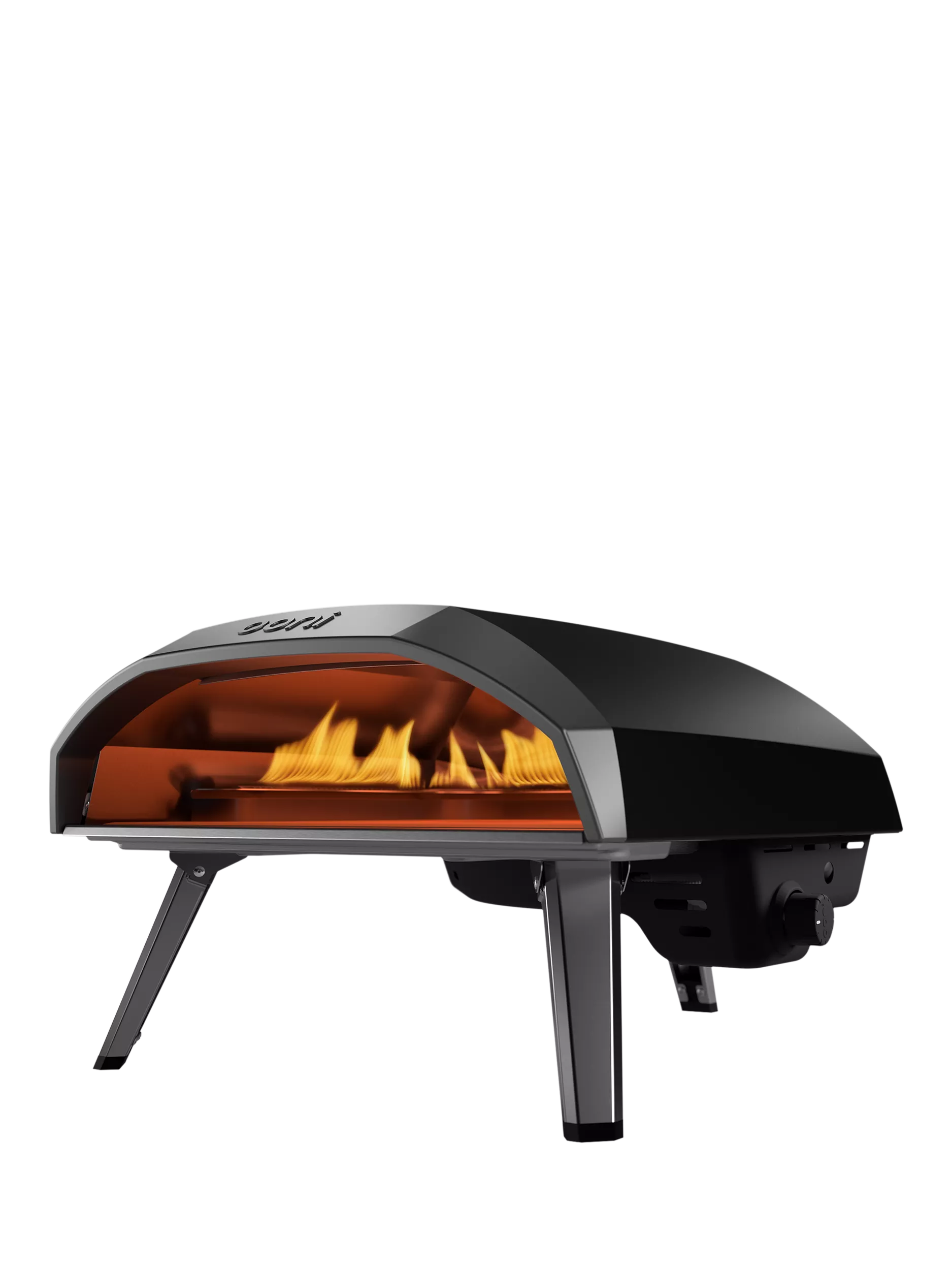
The entry point is lower than people assume. The Ooni Fyra 12 is £249 and makes genuinely excellent pizza. The Ooni Koda 12 at £299 adds gas convenience — turn the dial, wait 15 minutes, cook. The Ninja Woodfire Outdoor Oven at £350 adds versatility (it roasts, bakes and smokes as well). None of these require a second mortgage.
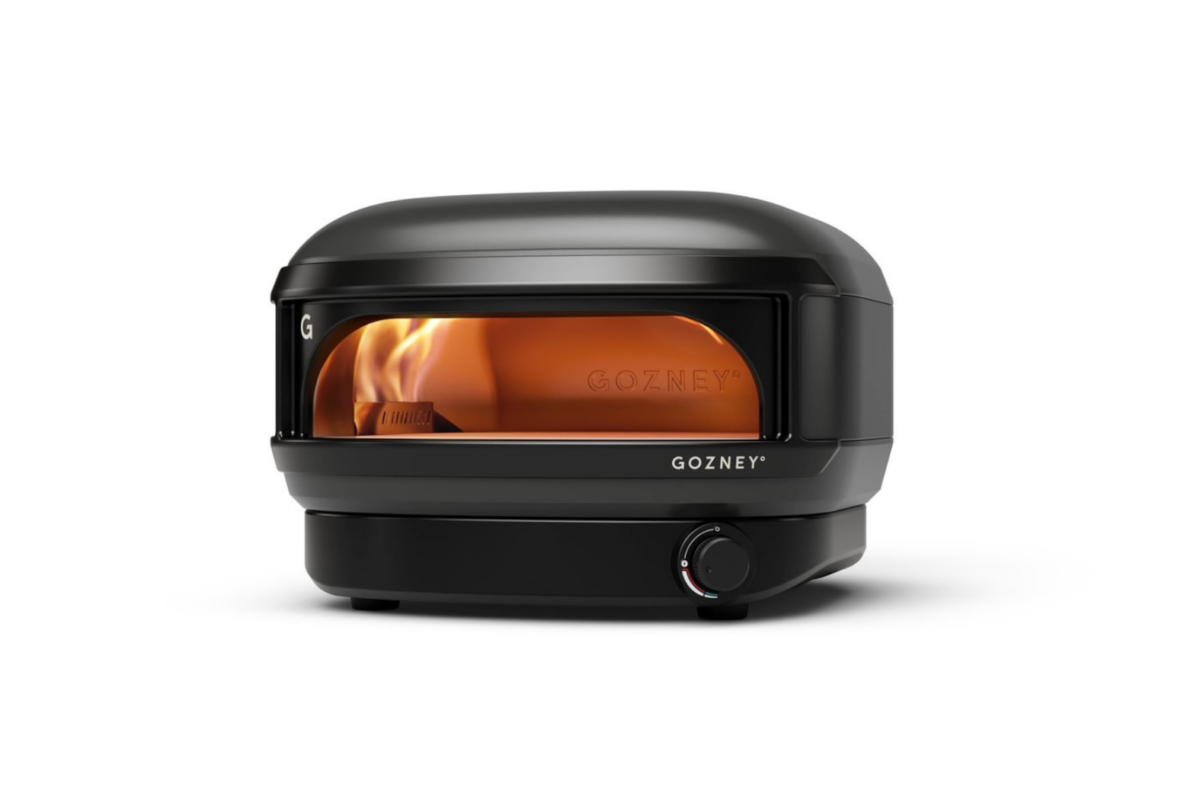
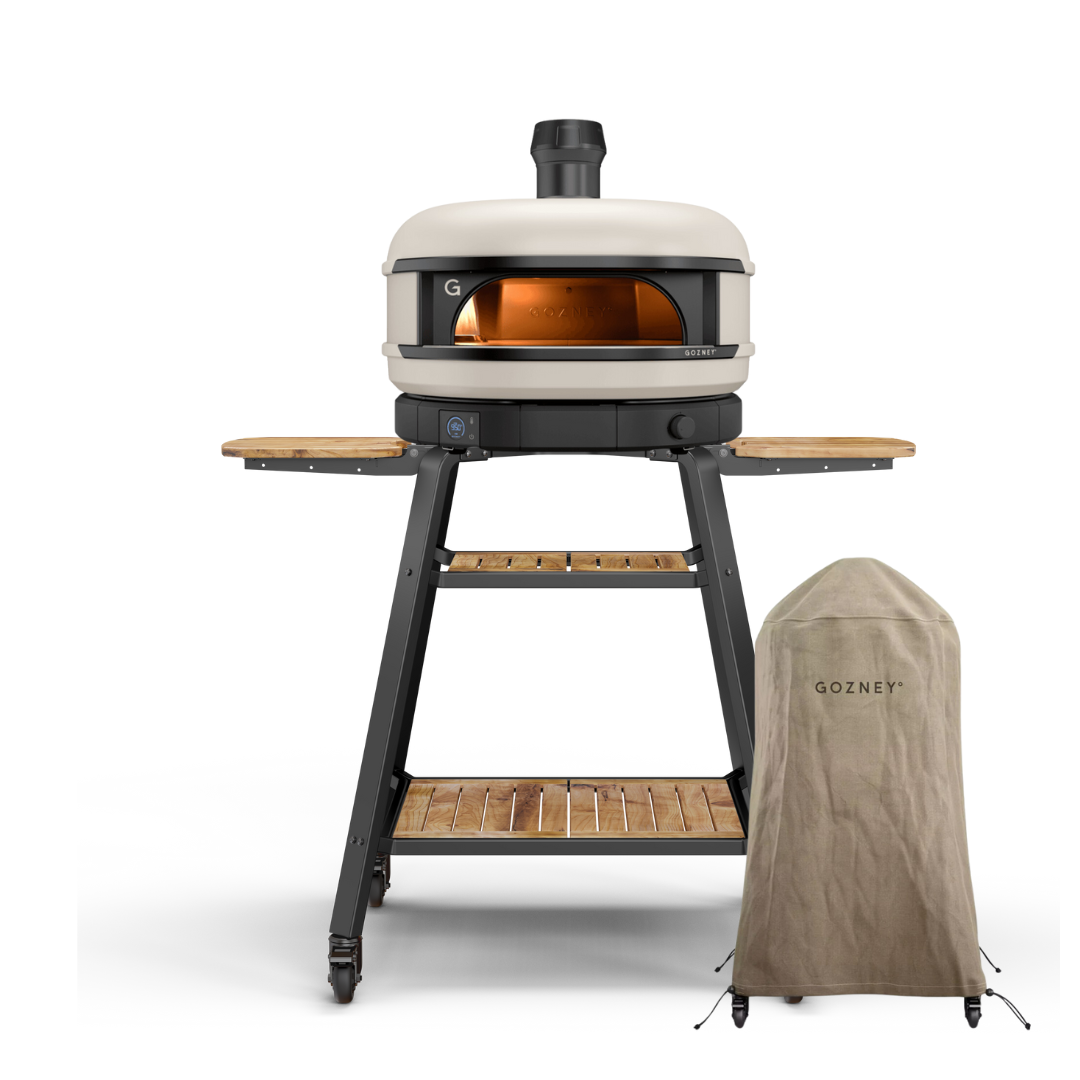
At the higher end, the Ooni Koda 16 and Gozney Arc Lite (both £499) give you a larger cooking surface and better heat retention, and the Gozney Dome S1 at £999 is a serious piece of kit that will last a decade. Whether the premium is worth it depends on how often you cook — our guide on what size pizza oven you need helps with that call.
What else can you cook in one?
This is the detail that tips the value equation for a lot of people. A pizza oven is not a single-purpose appliance:
- Flatbreads and naan — 60 seconds, exactly the same technique as pizza. Perfect for curry night.
- Steaks and fish — a cast-iron skillet in a 400°C+ oven sears a steak in a way no hob can match.
- Roasted vegetables — peppers, courgettes and aubergine char beautifully in 2–3 minutes.
- Bread — let the oven cool to 250°C after a pizza session and bake a loaf in the residual heat.
- Desserts — a skillet cookie or a fruit crumble in a cooling oven is a crowd-pleasing finish.
The multi-fuel Ooni Karu 12G is particularly good here because it runs on gas, wood or charcoal, so you can match the fuel to the dish — gas for weeknight speed, wood for weekend flavour.
The honest downsides
There is a learning curve
Your first three or four pizzas will not be Instagram-worthy. Stretching dough by hand, managing the heat, and turning a pizza in 60 seconds without burning it takes practice. Most people hit their stride by the fifth or sixth cook. If you are the sort of person who gives up on things after one frustrating attempt, a pizza oven will frustrate you — briefly.
You need dough prep time
Good pizza dough needs at least 4–6 hours to rise, and it is better with 24–48 hours in the fridge. You cannot decide at 5pm that you want pizza at 6pm unless you have dough already made. This is the biggest practical barrier. The workaround is batch-making dough balls and freezing them — defrost in the fridge overnight and you are always a few hours from fresh pizza.
It is seasonal for most people
You can use a pizza oven in winter — the oven itself does not care about the cold — but standing outside in January turning pizzas in the rain has limited appeal. Realistically, most UK owners use theirs from April to October, with the occasional hardy weekend in winter. That is still 7+ months, and during those months it may well be the most-used thing in your garden.
Gas vs wood matters
Gas is faster, easier and more consistent. Wood gives a slightly better flavour and a more involved cooking experience. The choice changes the whole feel of using the oven. Our gas vs wood-fired pizza oven guide covers the trade-off properly, but the quick answer is: gas for convenience, wood for the experience, multi-fuel if you cannot decide. If you are torn between the two most popular brands, our Ninja Woodfire vs Ooni comparison covers which suits which type of cook.
Who should NOT buy one
- People in flats without outdoor space. You cannot use these indoors — they produce carbon monoxide and radiate extreme heat. A balcony may work for a small gas model if building rules allow, but check first.
- People who mostly eat frozen pizza and are happy with it. Nothing wrong with that, but the oven will not change the habit.
- People who want a set-it-and-forget-it appliance. A pizza oven requires your attention while it is on. If you want to put food in and walk away, an air fryer is a better buy.
What Which? and independent testers say
Which? tests pizza ovens on heat-up time, temperature consistency, pizza quality and build. Their findings align closely with ours: the Ooni and Gozney ranges consistently score highest, the Ninja offers the best versatility, and cheap unbranded ovens tend to have poor insulation that wastes fuel and cooks unevenly. The entry-level models from Ooni (£249–£349) represent the best value.
The verdict
A pizza oven is worth buying if you like pizza, like cooking, and have even a small outdoor space. The food is measurably better than anything a home oven can produce, the running cost is negligible, and the purchase pays for itself within a year if it replaces even half your takeaway habit. The Ooni Koda 12 at £299 is the best starting point for most people — gas for simplicity, compact for storage, and genuinely capable of restaurant-quality pizza from day one.
If you are ready to choose a model, our pizza oven reviews rank every model we have reviewed on heat-up time, cooking performance, build quality and value for money. And if you want the detailed numbers on fuel, see our breakdown of pizza oven running costs in the UK.