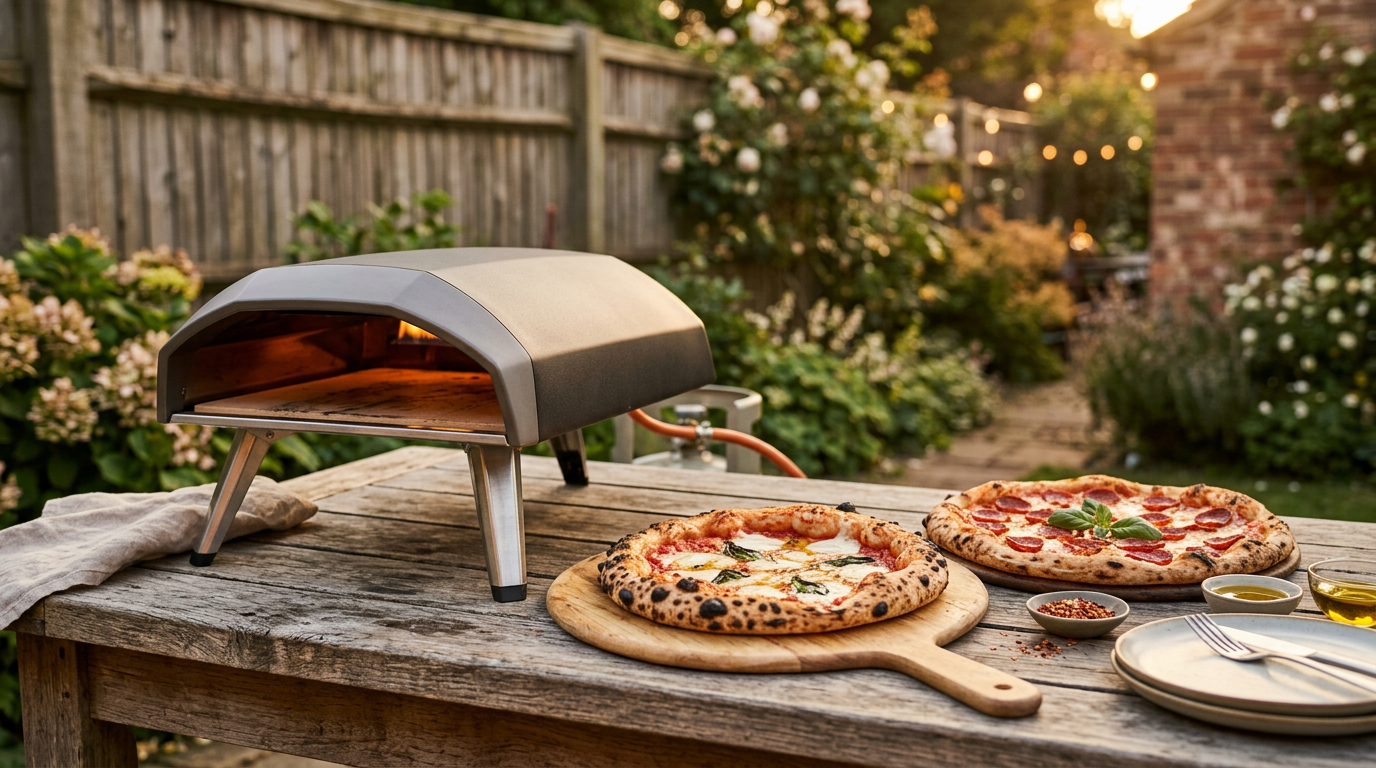
Almost every portable pizza oven sold in the UK is described by one number: the biggest pizza it can cook. Twelve inch, fourteen inch, sixteen inch. It looks like the simplest spec on the box, and it's the one most people base the decision on.
It's also the one that causes the most regret — usually in the opposite direction to what you'd expect. Plenty of people spend the extra £150 on a 16-inch oven and then cook 11-inch pizzas in it for the next three years, because a 16-inch pizza is genuinely hard to make at home. Here's what the size figure actually means in practice, and how to pick without overspending.
The number is the stone, not the pizza
The advertised size refers to the widest pizza the oven's baking stone can physically take. It is a maximum, not a recommendation, and using every inch of it is harder than it sounds.
To launch a pizza cleanly you need a margin of stone around the dough — get it wrong and the edge catches, the pizza folds, and the toppings end up against the back wall. You also need to turn it. Most portable ovens have one burner at the back, so the side facing the flame cooks in about 30 seconds while the front is still pale. Turning a pizza 180° with a peel needs clearance the stone dimension doesn't give you.
The realistic working figure is roughly two inches less than the quoted maximum. A 12-inch oven is comfortable with a 10-inch pizza. A 16-inch oven is comfortable with 14. Nobody tells you this, and it's the single most useful thing to know before you choose.
How big is an authentic pizza anyway?
This is where the sizing debate quietly resolves itself. The Associazione Verace Pizza Napoletana — the body that defines what legally counts as Neapolitan pizza — specifies a finished diameter of 22 to 35cm, with 35cm as the absolute maximum, made from a dough ball of 200–280g.
Thirty-five centimetres is 13.8 inches. So the largest pizza the Neapolitan standard permits still fits inside a 14-inch oven, and a typical restaurant Margherita at 28–30cm is only about 11 to 12 inches across.
Read that next to the working-size rule above and the picture gets clear. A 12-inch oven handles a proper restaurant-sized Margherita. A 14-inch oven covers the entire Neapolitan range with room to turn. A 16-inch oven is for New York-style slices and family sharing pizzas — a different thing entirely, and a legitimate want, just not the default.
What the sizes look like across the ovens we've reviewed
| Model | Max pizza | Realistic pizza | Fuel | Weight | Price |
|---|---|---|---|---|---|
| Ooni Fyra 12 | 12 inch | ~10 inch | Wood pellets | 10 kg | £249 |
| Ooni Koda 12 | 12 inch | ~10 inch | Gas | 9.25 kg | £299 |
| Ooni Karu 12G | 12 inch | ~10 inch | Wood / charcoal / gas | 12.4 kg | £349 |
| Ninja Woodfire Outdoor Oven | 12 inch | ~10 inch | Electric + pellets | 11.6 kg | £349.99 |
| Ooni Volt 2 | 12 inch | ~10 inch | Electric | 18.7 kg | £899 |
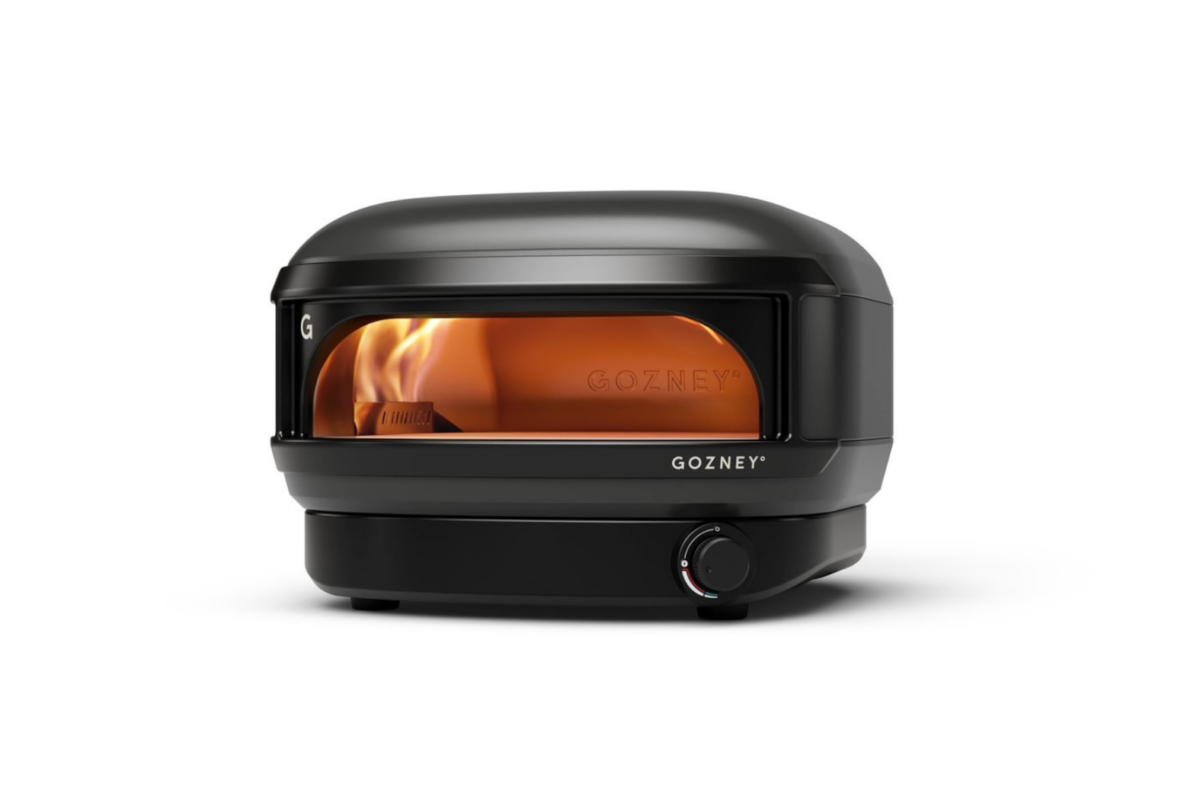
| Gozney Arc Lite | 14 inch | ~12 inch | Gas | 12 kg | £499 |
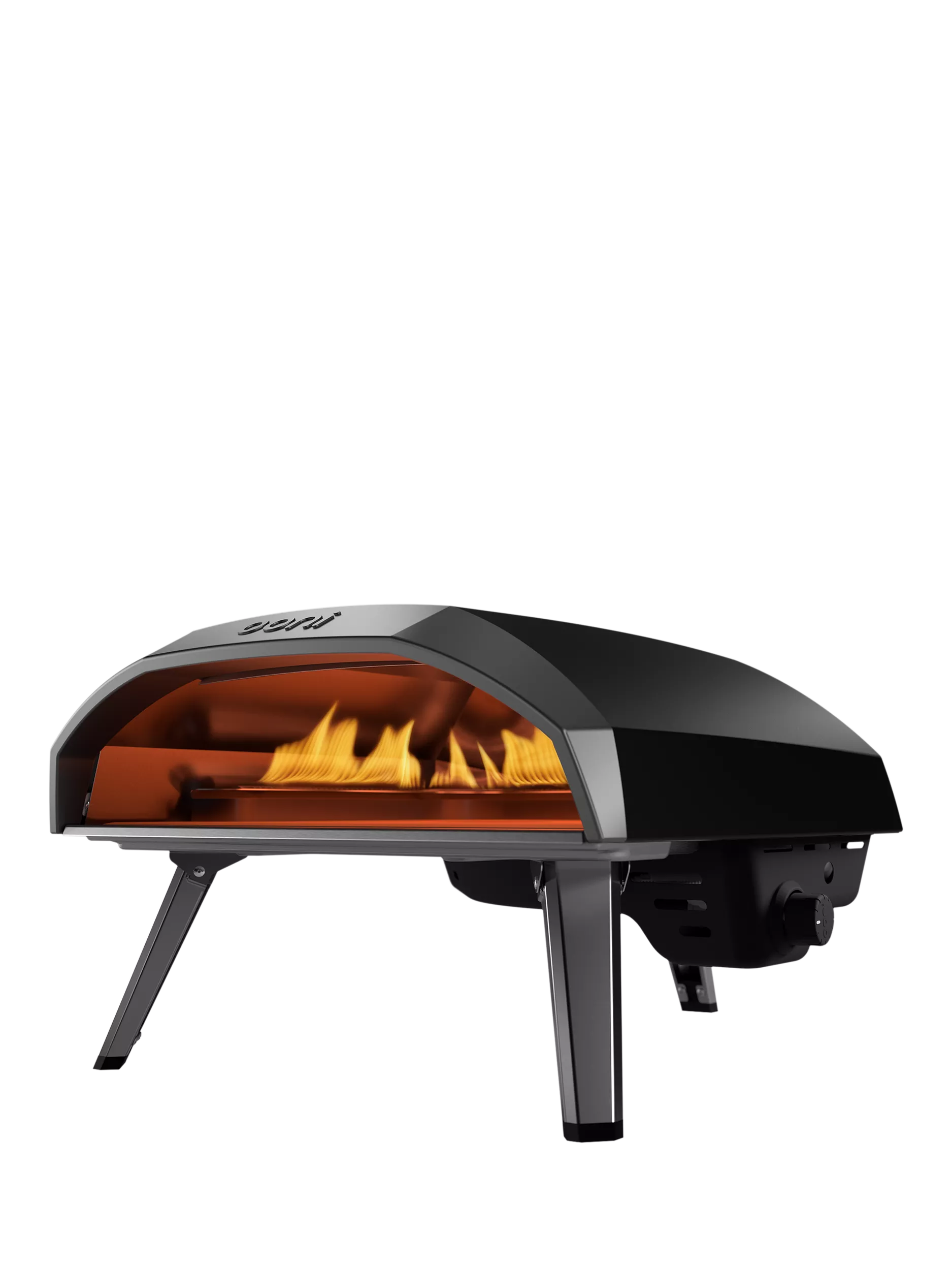
| Ooni Koda 16 | 16 inch | ~14 inch | Gas | 18.2 kg | £499 |
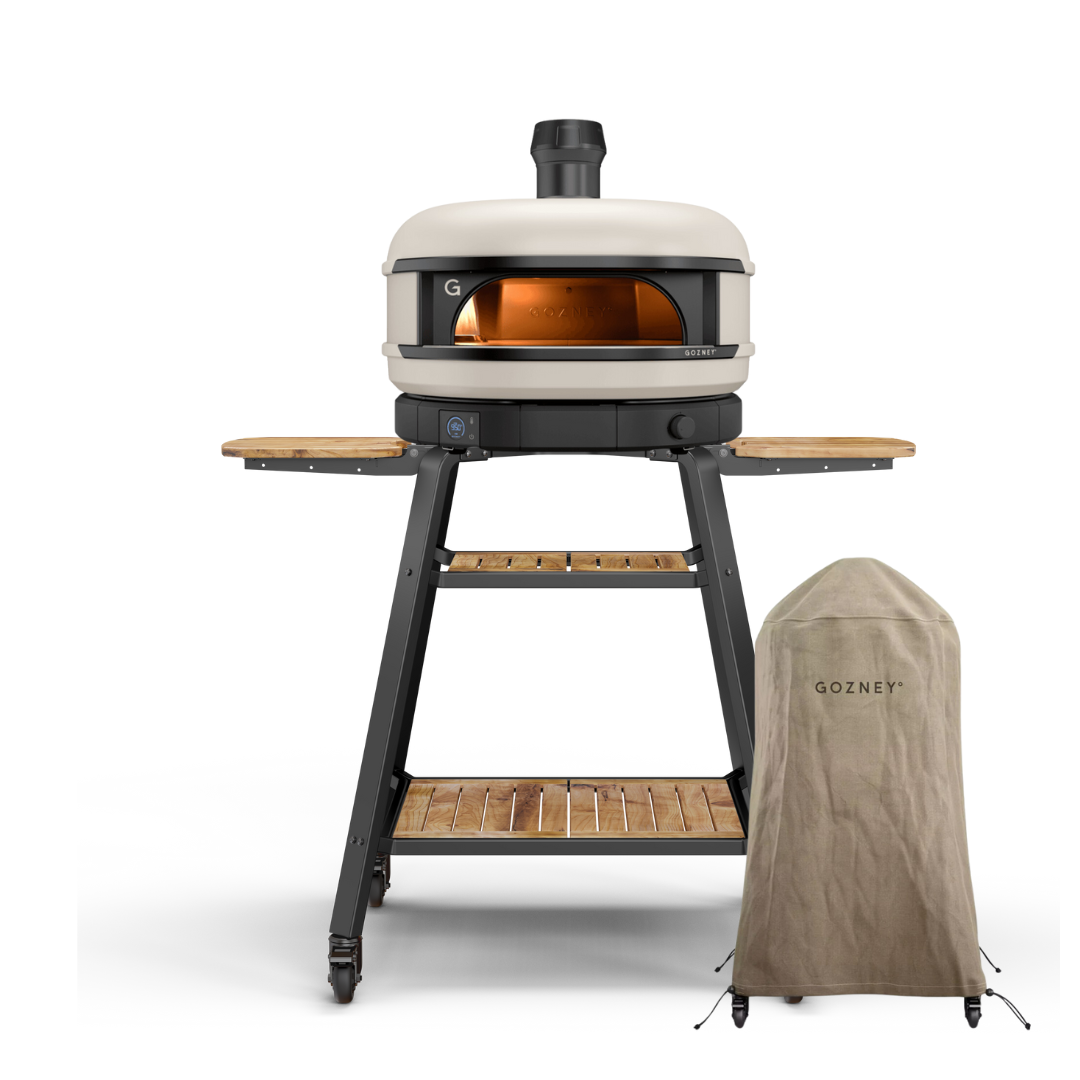
| Gozney Dome S1 | 16 inch | ~14 inch | Gas (dual-fuel option) | 58 kg | £999 |
Two patterns worth noticing. Every oven under £400 is a 12-inch oven — size is the main thing you buy when you move up a price bracket. And weight scales with size far faster than price does: the jump from a 12-inch Koda to a 16-inch Koda roughly doubles the weight, from 9.25kg to 18.2kg.
The 14-inch middle ground is underrated
Fourteen inches is the size almost nobody searches for and quite a lot of people should buy. It clears the entire Neapolitan range, gives you real room to turn a 12-inch pizza, and does it without the bulk of a 16-inch body — the Gozney Arc Lite is 14 inch at 12kg, lighter than several 12-inch ovens and a third of the weight of a 16-inch Dome.
If you're torn between 12 and 16, the honest answer is often that neither is right and 14 is.
When 16 inches is genuinely the right call
There are three situations where the big stone earns its money:
- You're feeding a crowd and want fewer bakes. A 14-inch pizza feeds three or four adults where a 10-inch feeds one or two. Over an evening for eight people that's the difference between six bakes and twelve.
- You want to cook things that aren't pizza. A 16-inch stone takes a cast-iron skillet, a roasting tray of vegetables, a whole spatchcocked chicken. A 12-inch stone will take a small pan and not much else — this is the most commonly overlooked reason to size up.
- You're building it in. If the oven is going into an outdoor kitchen and will never be carried anywhere, the weight penalty disappears and there's little reason not to take the larger stone.
The Ooni Koda 16 is the interesting case here, because at £499 it costs the same as the 14-inch Arc Lite. When the price gap vanishes, the decision comes down purely to whether you'd rather have the extra two inches or the nine kilos you'd save.
When 12 inches is the smarter buy
Most of the time, frankly. Buy 12 inch if you're cooking for one to three people, if the oven needs to be carried out of a shed and set up each time, if storage space is tight, or if you're new to this and not yet certain you'll use it every fortnight.
There's a skill argument too. Stretching a 16-inch base without tearing it is materially harder than a 10-inch one — the dough thins in the middle long before it reaches the edges, and a torn base on a 450°C stone is a genuinely unpleasant mess. Launching a large, floppy pizza off a peel is harder again. Learning on 10-inch pizzas is more forgiving, and a 12-inch oven at £249–£349 is a much easier thing to have been wrong about.
Two specs that matter more than size
Once you've settled the diameter, these two will affect your results more than another two inches of stone ever would.
Temperature
Neapolitan pizza needs 450–500°C to cook in 60–90 seconds and develop the leopard-spotted crust. Most gas ovens in the table above reach 500°C. The Ninja Woodfire tops out at 350°C, which is still far hotter than a domestic oven and produces very good pizza, but it's a several-minute bake rather than a 90-second one — a different style of result, not simply a worse one.
Fuel
Fuel type changes the day-to-day experience more than size does: how long you wait to preheat, how much you have to babysit the flame, and how the pizza tastes. We've covered the trade-offs properly in our guide to gas vs wood-fired pizza ovens, and it's worth settling that question before diameter. Still not sure a pizza oven is right for you? Our are pizza ovens worth it guide covers the costs, the food and the honest downsides.
For a broader view of how models compare on results rather than headline specs, Which? tests pizza ovens on crust quality and evenness of bake, which is a useful sanity check against the marketing.
Don't forget the peel
A peel sized for the oven, not the pizza, is worth getting right. A 12-inch peel in a 12-inch oven leaves you no clearance at all; a peel around two inches narrower than the stone is the sweet spot. For 16-inch ovens most people end up using a large peel to launch and a small round turning peel to rotate, because manoeuvring a 16-inch paddle inside the oven mouth is awkward. Budget £25–£50 for this — it's the accessory that most affects whether pizzas make it onto the stone in one piece.
The short version
- Subtract two inches from the advertised size to get the pizza you'll actually cook.
- Authentic Neapolitan tops out at 13.8 inches, so a 12-inch oven already covers restaurant-sized pizza and a 14-inch covers the whole standard.
- Choose 12 inch for one to three people, portable use, tight storage, or a first oven.
- Choose 14 inch if you want headroom for proper Neapolitan without the weight — the most sensible default for most households.
- Choose 16 inch for regular crowds, non-pizza cooking, or a permanent built-in installation.
- Settle fuel and temperature before diameter. They affect the pizza more.
If you take one thing away: the people who regret their pizza oven almost never regret the size. They regret buying one that's too heavy to bother carrying out, or too slow to fire up on a Wednesday. Pick the size that fits how often you'll genuinely use it, and put the money you save into a decent peel and a bag of good flour.