Every summer the same question fills UK forums and Facebook groups: do portable air conditioners actually work, or are they expensive, noisy fans with a hose? The honest answer is yes, they genuinely cool a room — but only if you set them up properly, buy the right size, and understand the two things that limit every portable unit. This is the straightforward version, without the marketing.
How they actually work
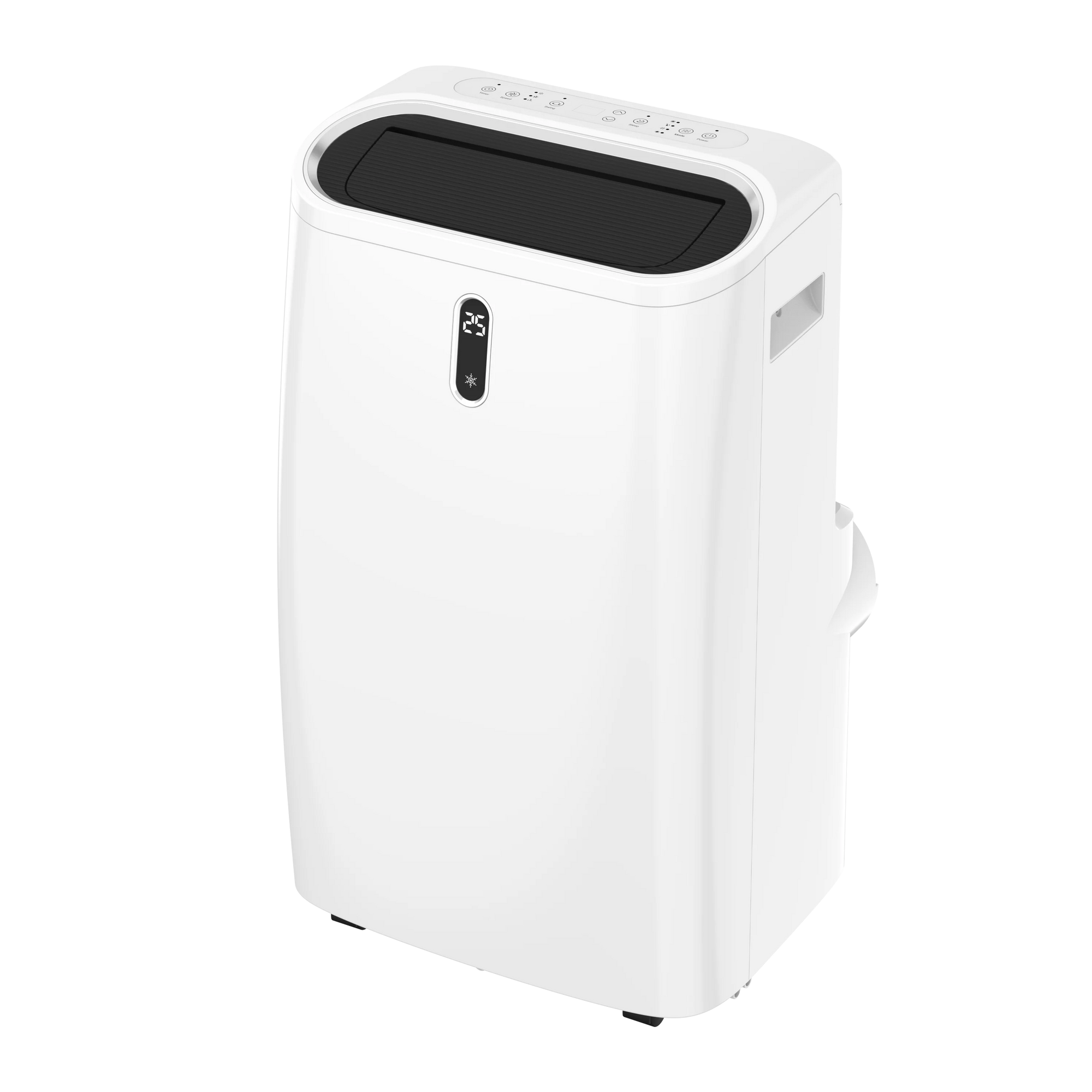
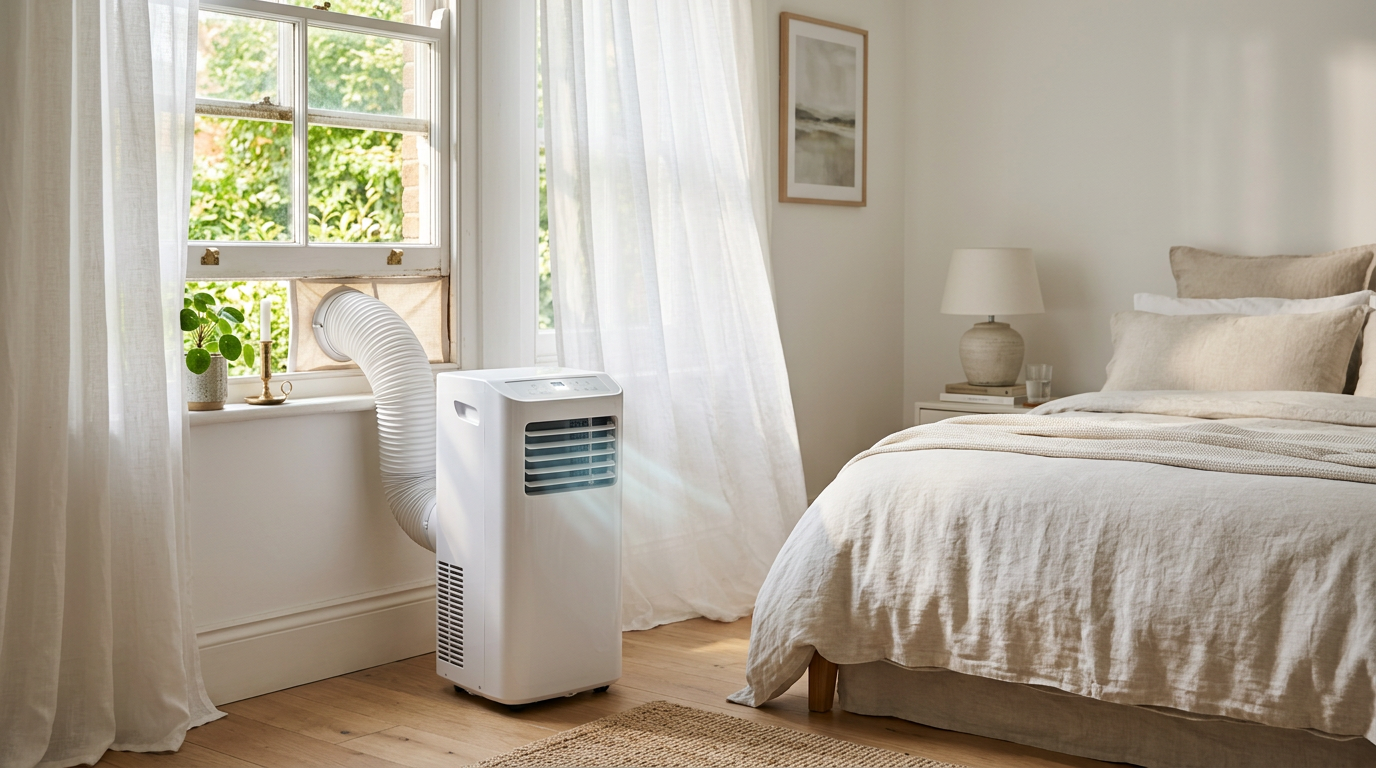
A portable air conditioner is a refrigeration unit. A compressor circulates refrigerant through a coil, and a fan blows warm room air over that cold coil. The air cools down and returns to the room. The heat extracted from the air has to go somewhere, so it is blown out through an exhaust hose fitted to a window.
This is genuine air conditioning — the same principle as the wall-mounted split systems in hotels. It does not just move air around or add moisture. It actively removes heat from the room and dumps it outside. The temperature in a properly set-up room will measurably drop, typically by 5–10°C within an hour.
Fans, by contrast, do not cool the air at all — they move it past your skin faster, which helps you lose heat through evaporation, but the room itself stays the same temperature. Evaporative coolers (sometimes misleadingly sold as "air conditioners") add moisture to the air, which in a humid British summer can make things feel worse. A portable AC is the only plug-and-play appliance that genuinely lowers the temperature.
The two things that limit them
1. The exhaust hose needs a window
The hose has to vent outside. Most people crack a sash or casement window and wedge the hose in the gap, but that gap also lets warm air back in, which fights the cooling. A window sealing kit — a fabric panel that fills the window opening around the hose — makes a dramatic difference. Without one, you are cooling with one hand and heating with the other. Every unit we review comes with a basic kit, and aftermarket ones for sash windows cost £15–20.
The hose also limits where you can put the machine. It needs to reach a window, so a room in the centre of the house with no exterior wall is a problem. The hose should be as short and straight as possible — extending or kinking it reduces airflow and makes the unit work harder.
2. Single-hose vs dual-hose
Almost every portable AC sold in the UK is a single-hose model. It pulls room air over the condenser and pushes it outside through the hose. That creates a slight negative pressure in the room, which sucks warm air in through gaps under doors and around windows. It still cools — but less efficiently than a dual-hose unit, which draws outside air separately for the condenser and keeps room air sealed.
Dual-hose models are rare in the UK market and more expensive, but they are noticeably more effective. If efficiency matters to you, keep an eye out for them. For most bedrooms and home offices, a properly sized single-hose unit with a decent window seal does the job.
How effective are they, realistically?
In a typical UK bedroom (12–18 m²), a 9,000–10,000 BTU portable AC will hold the room at 20–23°C while the outside temperature is 30–35°C. That is enough to sleep comfortably, work without sweating, and stop a south-facing room from becoming unusable.
They will not make a room feel like a walk-in fridge. They will not cool an entire open-plan ground floor. And in a loft bedroom with poor insulation and roof-level sun exposure, even a large unit will struggle to hold below 25°C. But for a normal, enclosed room with a closable door, they work well.
The Met Office defines a UK heatwave as three or more consecutive days above a regional threshold (25–28°C depending on area). Those are the nights when bedrooms hit 27–30°C and sleep becomes impossible. A portable AC's job is to make those nights manageable, and it does.
The noise question
This is the second most common complaint after the hose, and it is partly valid. A portable AC running at full power produces 50–65 dB — roughly the volume of a normal conversation. In a quiet bedroom at midnight, that is noticeable.
The practical answer is to cool the bedroom for an hour or two before you go to sleep, then switch to a low or sleep mode. Most modern units drop to 45–50 dB in sleep mode, which is comparable to a fridge. You stop noticing it within a couple of nights.
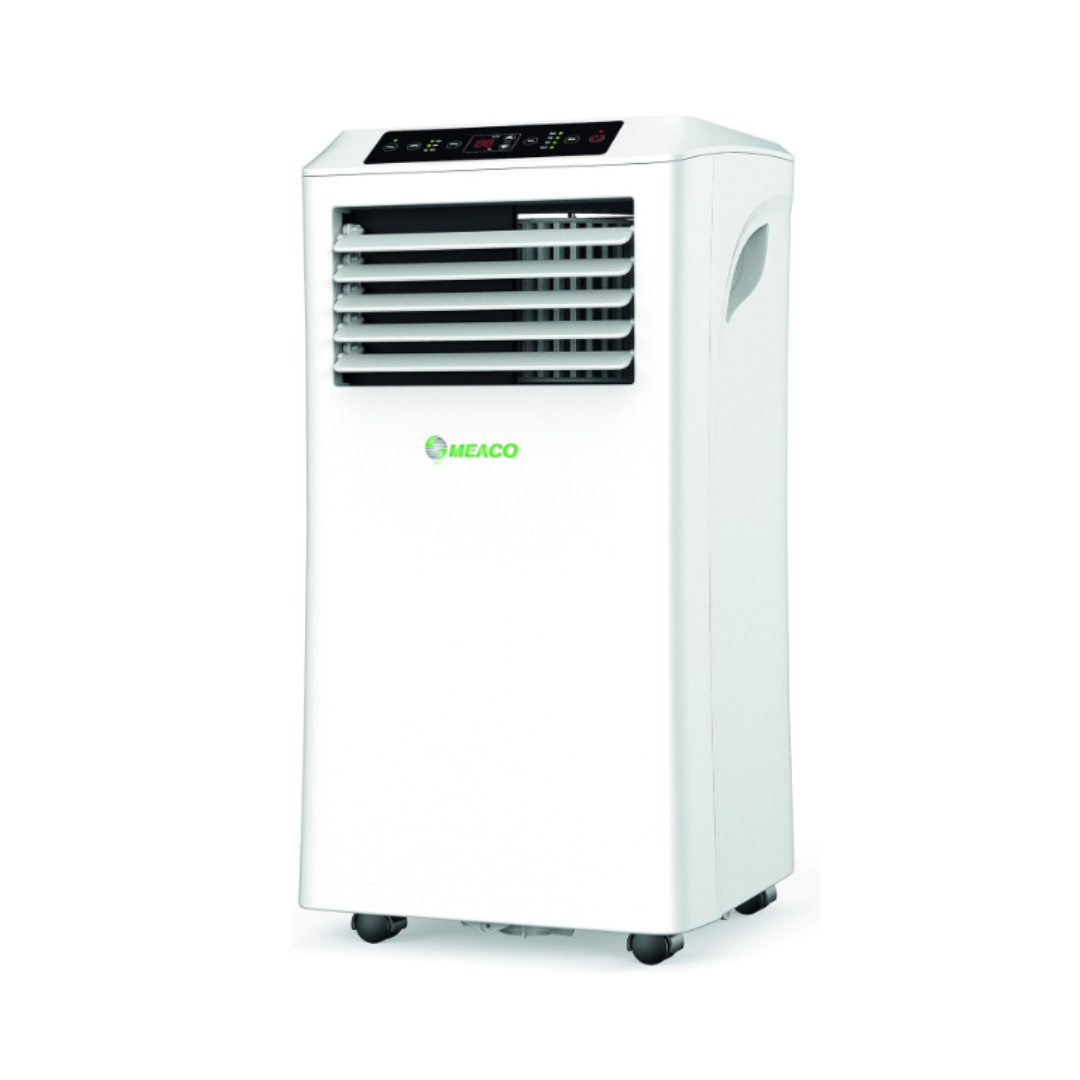
Among the models we review, the MeacoCool MC Series 10000 BTU and Dreo 318S are the quietest in their class. The VonHaus 9000 BTU is the budget pick and noisier, but it still has a usable sleep mode.
Running costs
A portable AC draws roughly 900–1,400W depending on BTU rating. At the current UK electricity rate of about 25p per kWh, that is 22–35p per hour. Running one for six hours overnight during a heatwave costs around £1.50–£2.10 per night.
Most UK heatwaves last a week or two, so the total summer cost is typically £15–£40 unless you are using it daily for months. Our full breakdown of portable air conditioner running costs has the maths for every BTU band.
Five things that make the biggest difference
- Buy the right BTU for your room. An underpowered unit runs flat out and barely shifts the temperature. An overpowered one cycles on and off and dehumidifies poorly. Our BTU sizing guide gives you the answer in two minutes. And if you are choosing between the top two brands, our Meaco vs De'Longhi comparison covers noise, value and which suits bedrooms best.
- Seal the window properly. A £15 window kit turns a mediocre setup into an effective one. It is the single highest-impact accessory.
- Close the door. You are cooling one room, not the house. Every open door doubles the volume the machine has to fight.
- Pre-cool. Turn it on an hour before you need the room. Pulling a room down from 30°C to 22°C takes longer than holding it at 22°C.
- Block direct sun. Close blinds or curtains on sun-facing windows during the day. Solar gain through glass is one of the largest heat sources in a British home — the NHS heatwave guidance recommends this as a first step before cooling appliances.
Portable AC vs alternatives
| Option | Actually cools? | Typical cost | Best for |
|---|---|---|---|
| Portable air conditioner | Yes — genuinely lowers temperature | £260–£650 | Bedrooms, home offices, any room with a window |
| Desk/pedestal fan | No — moves air only | £20–£80 | Mild heat, circulating cooler evening air |
| Evaporative cooler | Barely — adds humidity | £50–£150 | Dry climates (not the UK) |
| Wall-mounted split AC | Yes — most effective | £1,500–£3,000 installed | Permanent install, frequent use |
If your summers involve two or three bad weeks and you need a room you can sleep in, a portable AC is the right answer. If you are in a south-facing flat that is unbearable from May to September, a split system is the better long-term investment — but a portable unit tides you over until that is fitted.
Which models we recommend
For a standard bedroom (12–16 m²), the MeacoCool MC Series 10000 BTU is the all-round best — quiet, efficient, and well-built. The Dreo 318S adds app control and an inverter compressor that saves money over a season. The Midea Comfee MPPH-09CRN7 and VonHaus 9000 BTU are the best budget options if you only need them for the worst week or two.
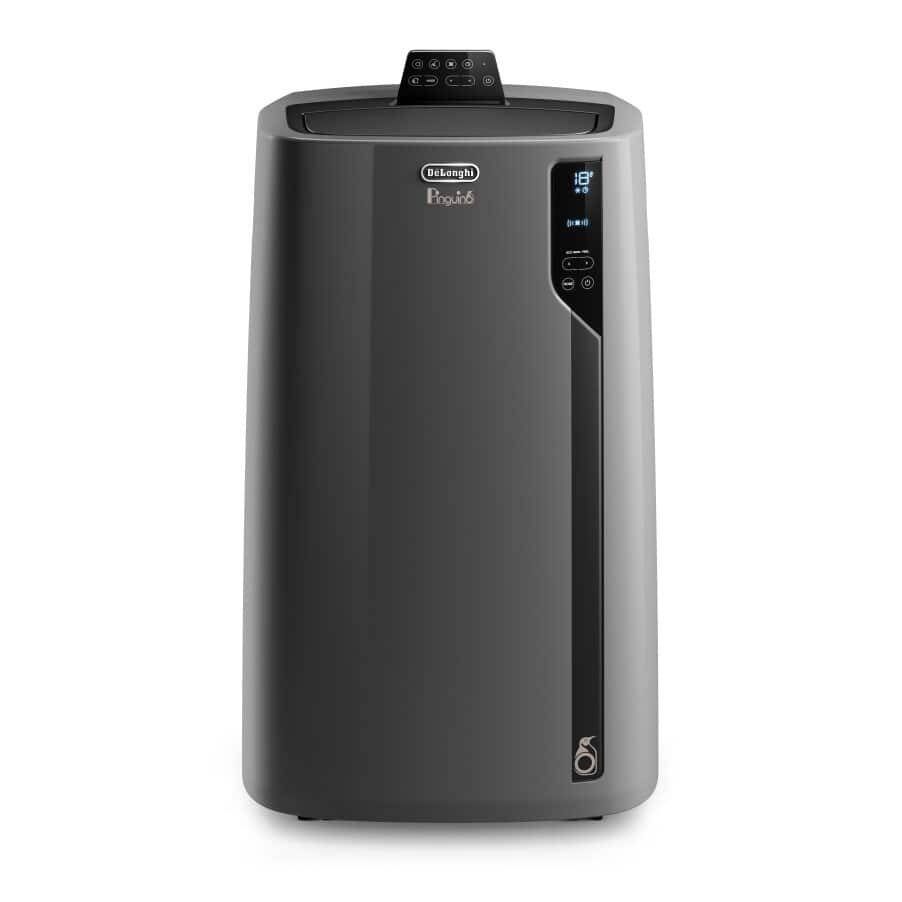
For a large living room or open-plan space, you need 12,000+ BTU. The Pro Breeze 12000 BTU Smart, De'Longhi Pinguino PAC EL112 CST, and Meaco Pro 16000 BTU are the standouts. Which? independently tests portable ACs on cooling speed and real noise levels if you want a second opinion.
The verdict
Portable air conditioners genuinely work. They are not as efficient as a wall-mounted split system, they are not silent, and they need a window — but within those constraints they do exactly what they promise: drop a room by 5–10°C and make a British heatwave liveable. Seal the window, close the door, buy the right size, and you will wonder why you spent previous summers suffering with a fan that just pushed hot air around.