Running costs updated 1 October 2026. Every electricity figure on this page is costed at the Ofgem price cap average electricity unit rate of 26.32p per kWh, which applies from 1 October to 31 December 2026. Your own tariff may be higher or lower, so check your latest bill before relying on these numbers.
One of the first questions people ask about an instant hot water dispenser is whether it is cheaper to run than a kettle. The answer depends mostly on how much water you usually boil. Here are the numbers, worked out at the current Ofgem rate of 26.32p per kWh.
The short answer
Per cup, an instant dispenser and a kettle filled with only one cup's worth cost about the same. The dispenser saves money because most of us overfill the kettle. Models with a cooler then add their own running cost.
Cost per cup
| What you heat | Energy (estimate) | Cost at 26.32p/kWh |
|---|---|---|
| Kettle: 1 litre, for one mug | About 0.11 kWh | About 2.9p |
| Kettle: 0.5 litre | About 0.055 kWh | About 1.4p |
| Kettle: exactly 250ml | About 0.027 kWh | About 0.7p |
| Dispenser: 250ml to 95°C | About 0.023 kWh | About 0.6p |
Our calculation: water needs about 4.19 kJ per litre per °C. We assumed a kettle heats tap water from 15°C to 100°C at about 90% efficiency, and a dispenser heats room-temperature water from 20°C to 95°C at about 95% efficiency. Real figures vary by model.
Over a year
| Habit (10 hot drinks a day) | Yearly cost (estimate) |
|---|---|
| Kettle, usually 0.5 litre each time | About £53 |
| Kettle, filled exactly each time | About £26 |
| Instant dispenser, 250ml each time | About £22, plus standby |
So the real saving is against an overfilled kettle. If you already fill your kettle carefully, the difference is small.
Do not forget standby and cooling
Dispensers draw a little power while switched on, and models with a cooler keep water cold all day. Few manufacturers publish these figures, so check the manual or energy information. As a guide, every 10 watts drawn continuously costs about £23 a year at 26.32p per kWh. Many dispensers have an eco or sleep mode, and you can switch off the cooler when you do not need it.
My experience
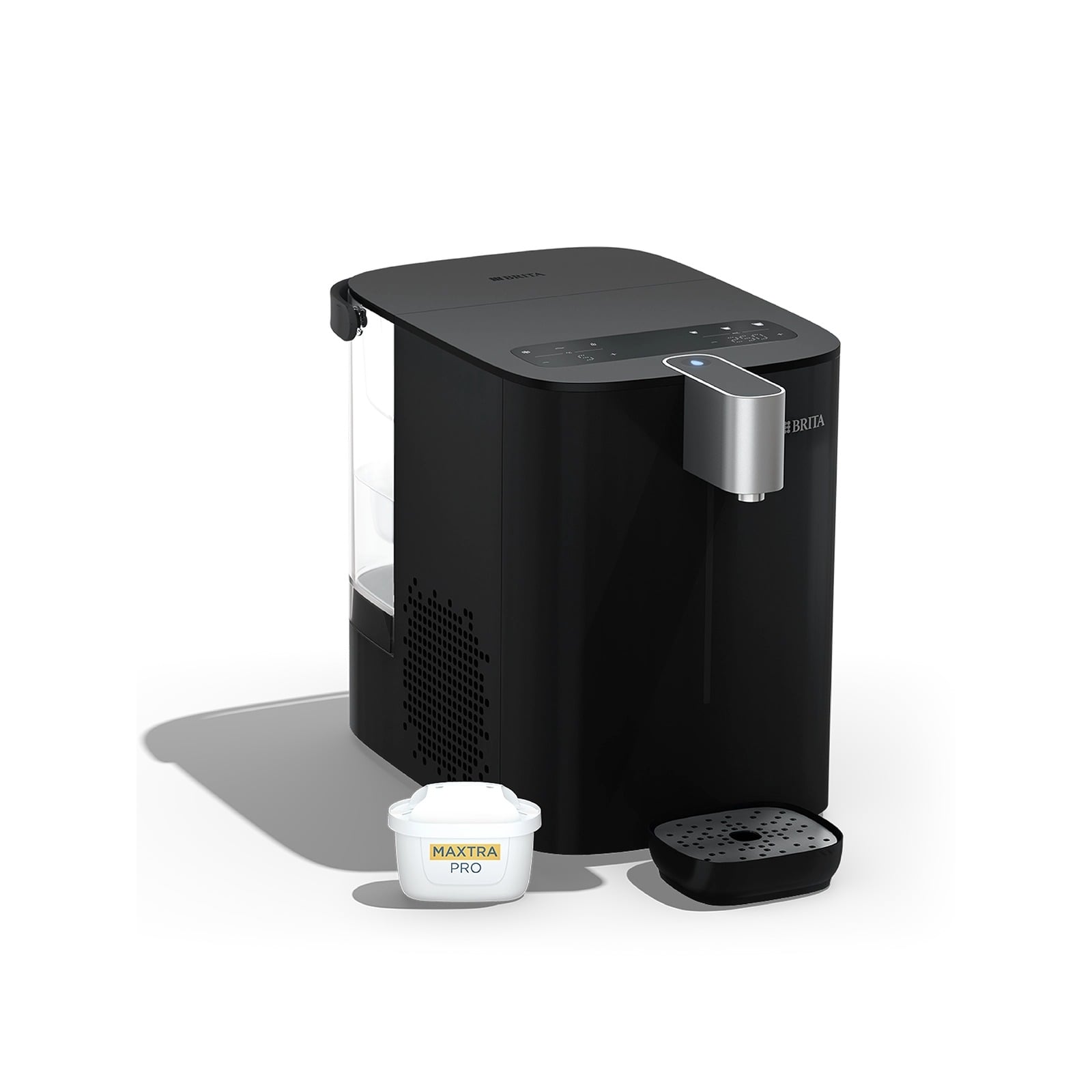
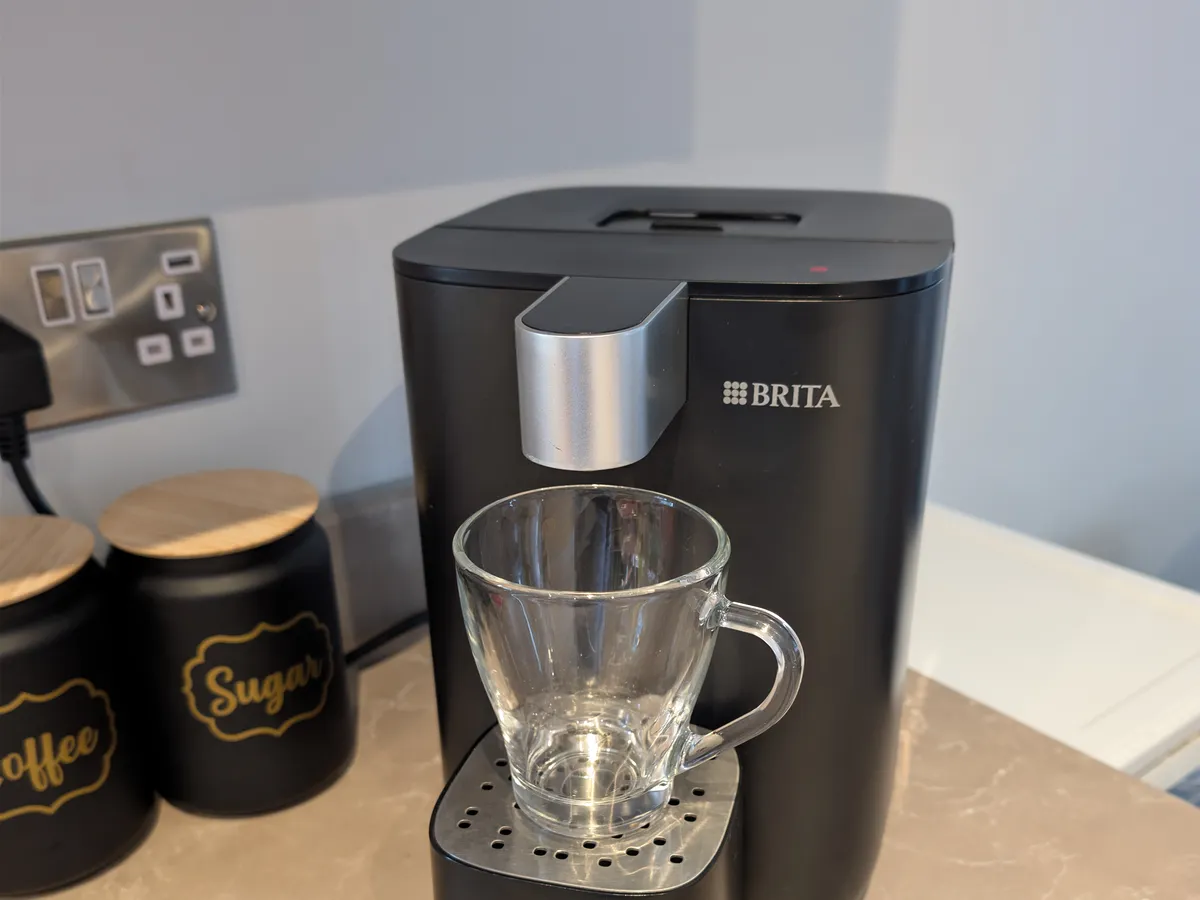
Our BRITA YOURCE has no cooler, so it only heats water when we ask. The bigger change for us is convenience: there is no waiting for a kettle, and we only heat what goes in the cup. I have not measured its energy use, so the figures above are estimates, not readings from my machine.
Which should you choose?
Buy a dispenser for speed, filtered water and less waste, not to save a fortune on electricity. Compare models on our best hot and cold water dispensers page, or read my BRITA YOURCE review.
More water dispenser guides
- Water dispenser vs kettle: which is cheaper to run? (you are here)
- Water dispenser vs filter jug: which is better?
- Best hot and cold water dispensers UK: all six compared
- BRITA YOURCE water dispenser review: my honest verdict
Frequently asked questions
Is an instant hot water dispenser cheaper than a kettle?
Usually a little, because it only heats what you dispense. The saving is largest if you tend to overfill your kettle.
Does a water dispenser use electricity when not in use?
A small amount on standby, and more if it has a cooler. Check the manufacturer's figures.
How we worked this out: this guide is mostly research-led, using manufacturers' published specifications and instructions, retailer prices and owner feedback. The exception is the BRITA YOURCE, which I own and use every day. Prices were last checked on 11 October 2026 and change often. Energy figures use the Ofgem cap rate of 26.32p per kWh (1 October to 31 December 2026) and are estimates.