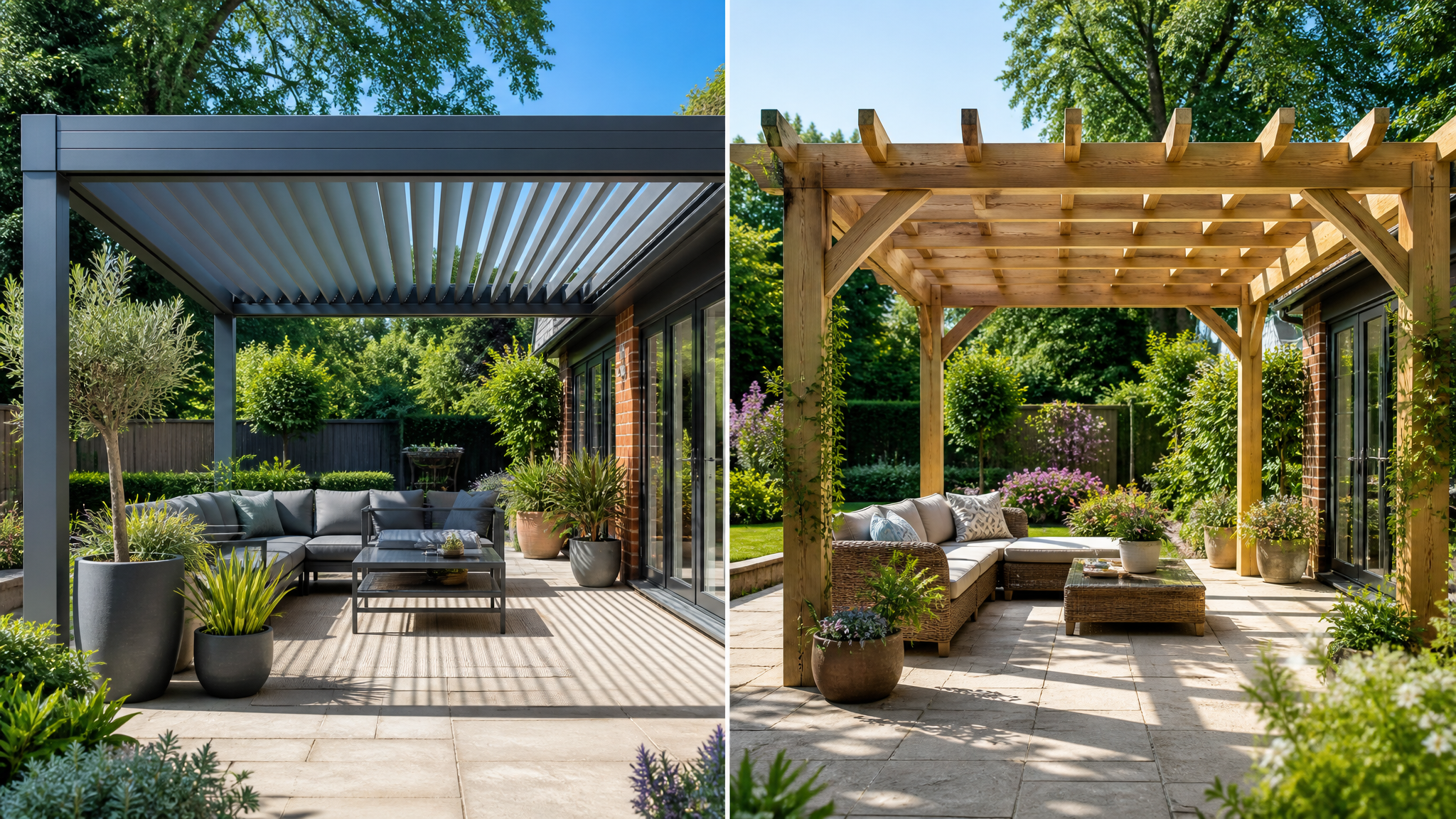
If you have decided you want a pergola for your garden, the very next question is almost always the same: aluminium or wood? It is the single biggest decision you will make, because it shapes everything else — the look, the price, the maintenance, how long it lasts and even whether you can have a roof that opens and closes. After researching the full UK market and reading through a great many verified owner reviews, this is an honest head-to-head to help you work out which material actually suits your garden, your budget and how much upkeep you are willing to do.
The short answer
If you want a low-maintenance, modern pergola that lasts decades — and especially if you want louvred slats or a retractable roof — aluminium is the smart buy. If you want a warm, natural look at a lower up-front price and you do not mind a weekend of treatment every year or two, timber is the more affordable and characterful choice. That is the comparison in a sentence, but the detail is where your answer lives, so let us go through it properly.
Price: timber undercuts, aluminium justifies
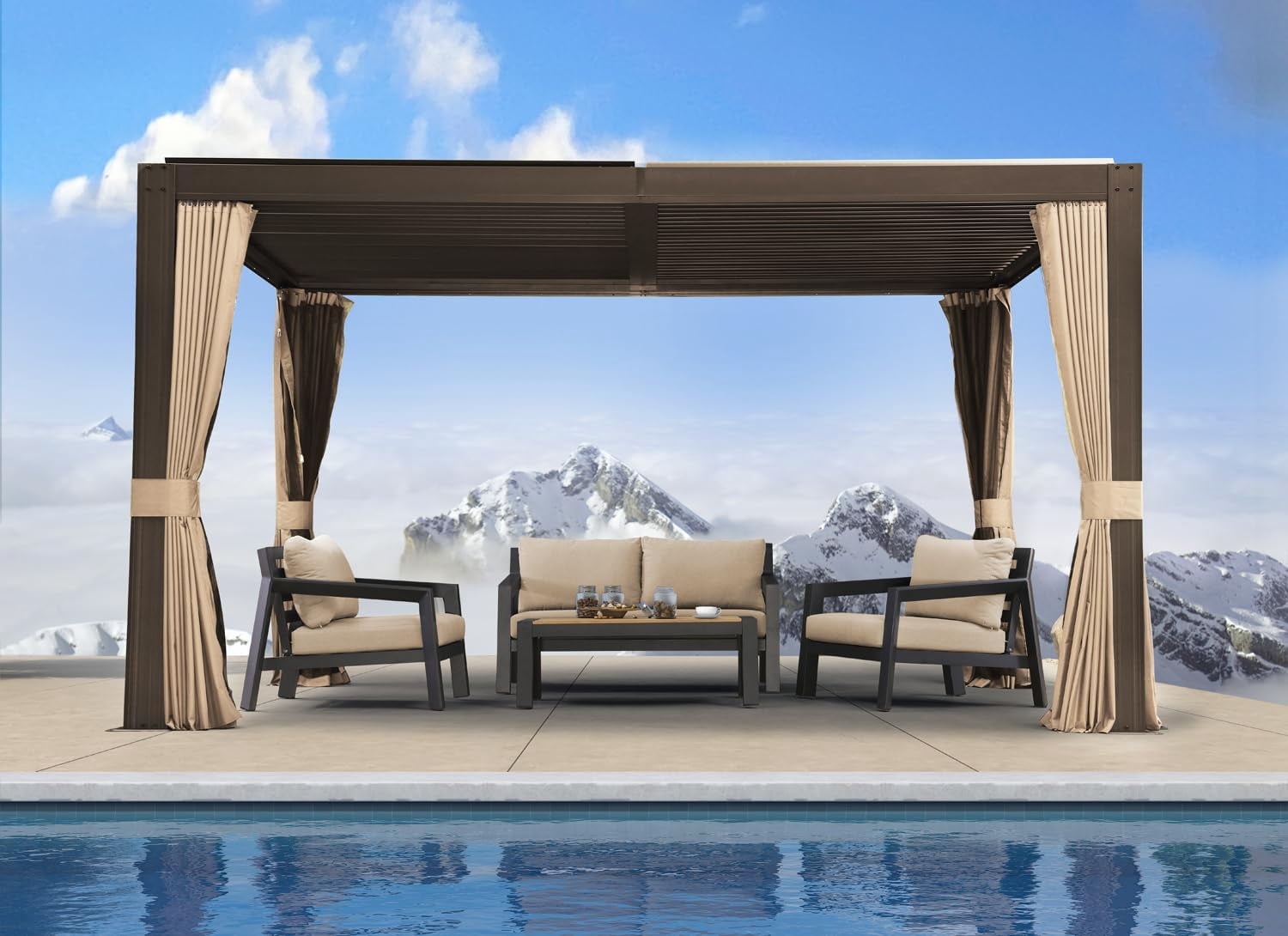
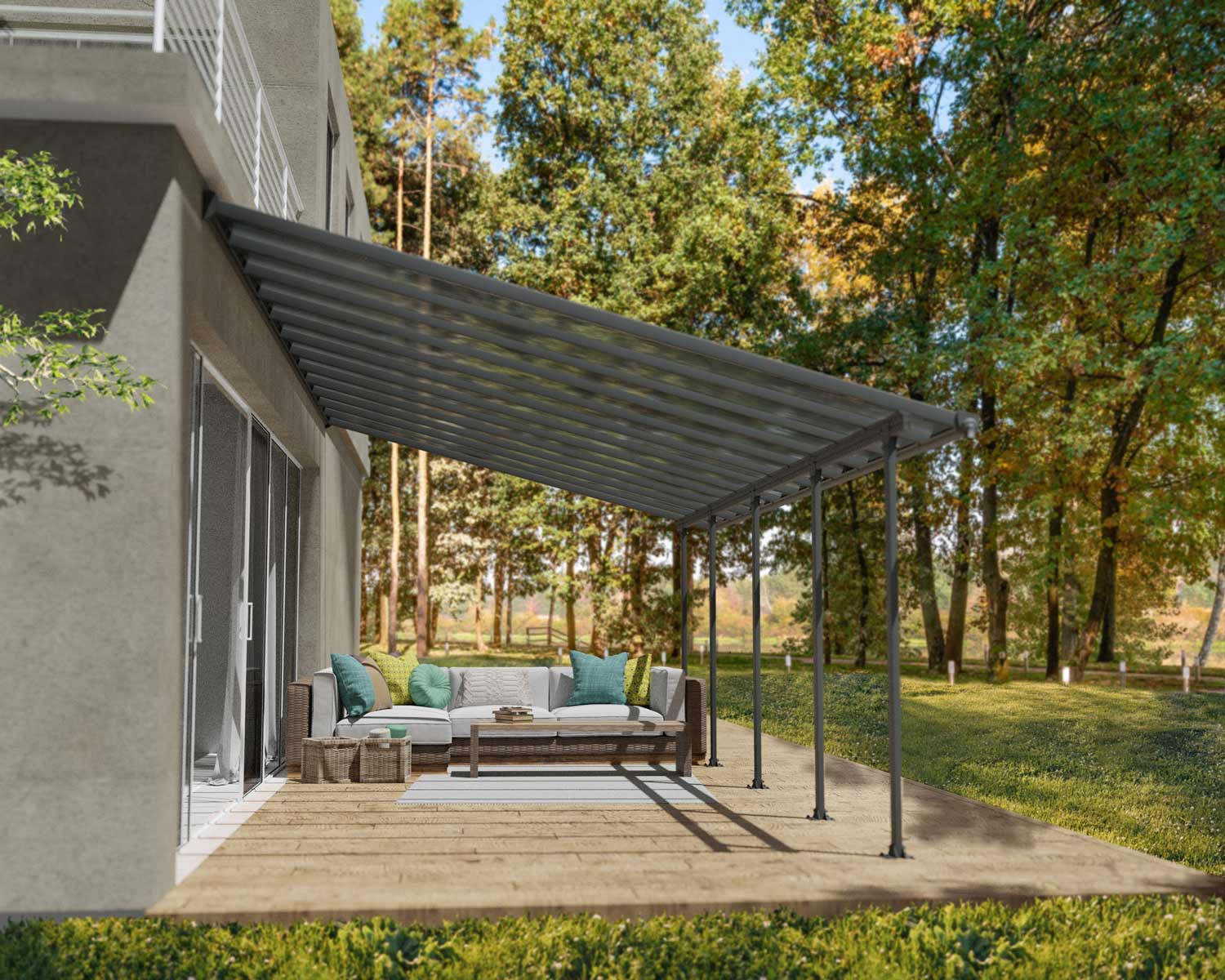
Up front, wood is cheaper. A solid pressure-treated timber pergola like the Rutland County 3×3 m lands around £449.99, while a comparable entry-level aluminium frame such as the Outsunny 3×4 m with retractable canopy starts around £369.99 — though the more substantial aluminium louvred models climb quickly, with our PURPLE LEAF 10×13 ft louvred pergola at around £1,899.99 and premium motorised bioclimatic units like the Veraforza reaching £5,000. The honest way to think about it: timber wins on the sticker price, but aluminium often wins on cost-per-year once you factor in decades of service and near-zero maintenance.
Maintenance: the real dividing line
This is where the two materials genuinely part ways, and for many UK buyers it is the deciding factor. Timber needs regular care — a coat of wood preservative, stain or oil every one to two years to stop it greying, cracking or rotting in our damp climate. Skip it and a wooden pergola can look tired within a few seasons. Aluminium, by contrast, is effectively fit-and-forget: a powder-coated frame shrugs off rain, will not rot, warp or splinter, and needs nothing more than an occasional wipe-down. If the idea of annual re-treating fills you with dread, that alone may settle the decision.
Looks and character
This one is genuinely personal. Timber has a natural warmth and traditional charm that suits cottage gardens, rustic patios and planting-heavy schemes — it looks like it belongs, and it weathers into the garden over time. Aluminium reads as sleek, contemporary and architectural, which pairs beautifully with modern rendered houses, porcelain paving and minimalist planting. Neither is "better"; it depends entirely on the style of your home and garden. If in doubt, stand at your back door and picture each against your actual house — the answer is usually obvious.
The roof question: louvred and retractable options
Here aluminium has a decisive advantage. If you want a bioclimatic louvred roof — adjustable slats you can tilt to let sun in or angle to shed rain — that is an aluminium-only feature in practice. The same goes for sturdy motorised retractable canopies. Timber pergolas are typically open-topped or fitted with a fixed or manually retractable fabric canopy, which is lovely for dappled shade and climbing plants but offers far less control over sun and rain. If your priority is being able to actually use the space in a British summer — shade on demand, shelter from a passing shower — an aluminium louvred model is in a different league. Our roundup of the best pergolas covers the louvred and bioclimatic options in detail.
Durability and the British climate
Both can last a long time, but they age differently. Well-maintained timber will give you 15–20 years; neglected timber can start to fail in five. Aluminium routinely lasts 25 years or more with essentially no intervention, and it does not care about rain, frost or humidity. In the UK's wet, variable climate, aluminium is the lower-risk long-term bet — but a cared-for wooden pergola built from properly pressure-treated timber will still serve you well for many years. The key with wood is buying pressure-treated stock and actually keeping up with the treatment.
Installation
Both materials are commonly sold as DIY kits, and a competent pair of hands can install either over a weekend, though larger louvred aluminium units and anything motorised are heavier and often benefit from two or three people (or professional fitting). Timber is more forgiving to modify on site — you can cut, drill and adapt it easily — whereas aluminium kits are engineered to fixed dimensions and are less amenable to improvisation. Whichever you choose, a solid, level base is essential: most owner complaints trace back to a poor foundation rather than the pergola itself.
Aluminium vs wooden pergola: side by side
| Aluminium pergola | Wooden pergola | |
|---|---|---|
| Typical entry price | ~£370 (louvred models much more) | ~£450 |
| Maintenance | Virtually none | Re-treat every 1–2 years |
| Lifespan | 25+ years | 15–20 years if well maintained |
| Louvred / retractable roof | Yes (a key strength) | Rarely; usually open or fabric canopy |
| Look | Modern, architectural | Warm, natural, traditional |
| Best for | Low-maintenance, modern gardens | Budget, rustic and cottage gardens |
Which should you buy?
Buy an aluminium pergola if: you want minimal maintenance, a long lifespan and a modern look — and especially if you want a louvred or retractable roof so you can control sun and rain. It costs more for the better models, but for many UK gardens the fit-and-forget convenience and the usable, weather-adaptable shade make it worth every penny.
Buy a wooden pergola if: you want a warm, natural, traditional look, you are working to a tighter budget, and you are genuinely happy to spend a little time on upkeep every year or two. A well-chosen pressure-treated timber pergola is a beautiful, affordable way to define a seating or dining area and support climbing plants.
If you are still weighing up whether a pergola is the right structure for you at all, our guides to pergola vs gazebo and whether pergolas are worth it will help, and it is worth checking our guide to pergola planning permission in the UK before you buy. For garden-design inspiration the RHS guide to pergolas and arches is excellent, and you can confirm the rules for your own plot on the official Planning Portal.
Ready to compare the full field? Our pergola reviews put aluminium louvred, bioclimatic, hardtop and timber models side by side so you can match a pergola to your garden and your budget.