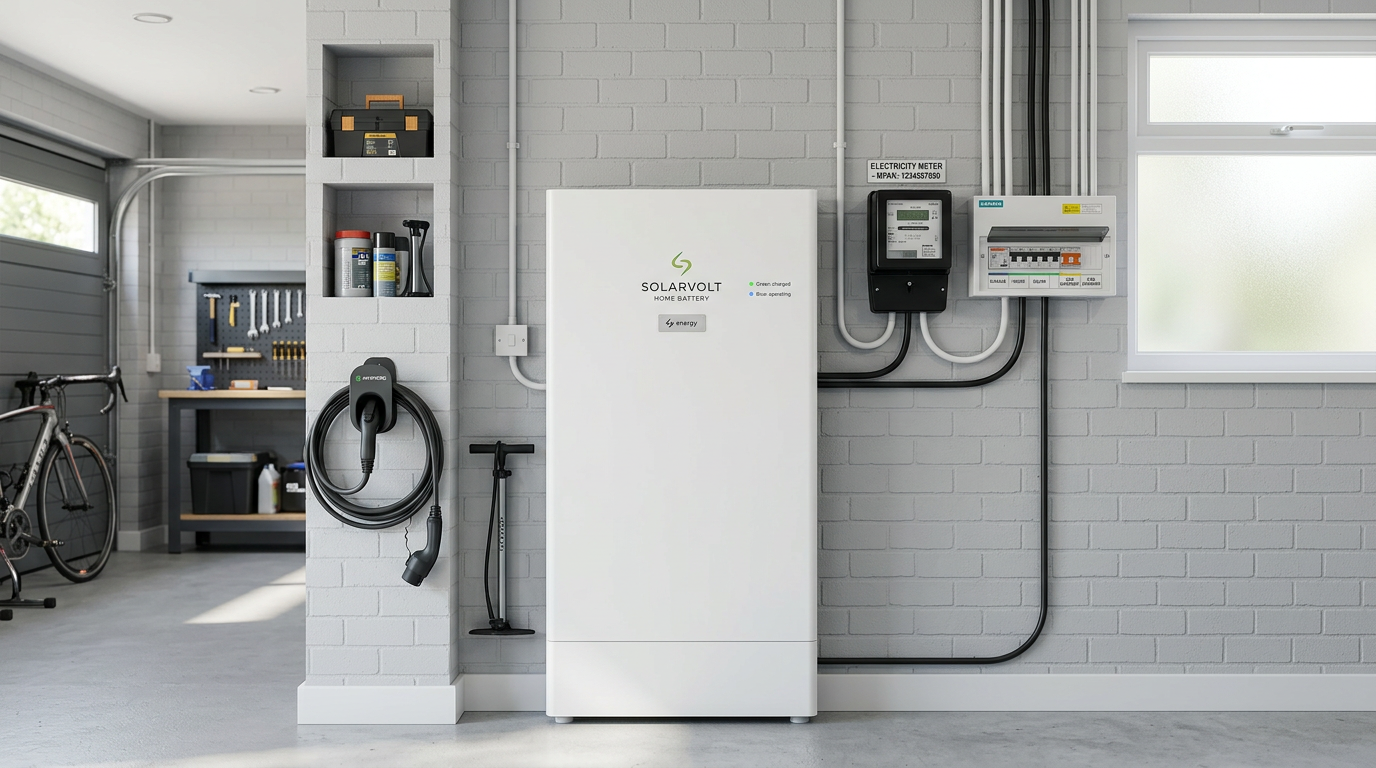
Octopus Energy's smart tariffs are the single biggest reason home batteries make financial sense in the UK right now. The gap between their off-peak and peak rates is wider than almost any other supplier, and their tariff range covers everything from simple fixed windows to fully dynamic half-hourly pricing. But which Octopus tariff saves you the most with a battery, and how do the numbers actually stack up?
This guide breaks down every relevant Octopus tariff, shows what a battery saves on each, and helps you pick the right one for your setup.
The Octopus Tariffs That Work With Batteries
Octopus offers several time-of-use tariffs, each with different off-peak windows and pricing structures. Not all of them are equally suited to battery storage.
| Tariff | Off-Peak Rate | Peak Rate | Off-Peak Window | Requirement |
|---|---|---|---|---|
| Octopus Go | ~7.5p | ~24.5p | 00:30–05:30 | Smart meter |
| Intelligent Octopus Go | ~7.5p | ~24.5p | 23:30–05:30 + smart slots | Compatible EV + charger |
| Agile Octopus | Variable | Variable | Dynamic (30-min slots) | Smart meter |
| Cosy Octopus | ~10–12p | ~24.5p | 04:00–07:00, 13:00–16:00, 22:00–00:00 | Heat pump |
| Octopus Flux | ~16p | ~34p | 02:00–05:00 | Solar + battery |
Tariff-by-Tariff Savings Breakdown
All figures assume a 5 kWh battery cycling once daily with ~10% round-trip losses. Your actual numbers will vary based on battery size, usage pattern, and how frequently you achieve a full cycle.
Octopus Go — The Reliable Workhorse
This is the simplest and most accessible option. The 5-hour off-peak window (00:30–05:30) is long enough to fully charge most batteries, and the 17p gap between off-peak and peak is generous.
| Metric | Value |
|---|---|
| Charge cost (5 kWh × 7.5p) | 37.5p |
| Grid cost avoided (4.5 kWh × 24.5p, after losses) | 110p |
| Daily saving | ~72.5p |
| Annual saving | ~£265 |
Octopus Go requires only a smart meter — no EV, no solar, no heat pump. It's the go-to tariff for battery-only setups without solar.
Intelligent Octopus Go — More Hours, Same Rate
Intelligent Go extends the off-peak window to 23:30–05:30 (6 hours) and sometimes adds extra "smart slots" during the day when grid demand is low. The rate is the same ~7.5p, so the per-kWh saving is identical to standard Go.
The catch: you need a compatible electric vehicle and charger. The tariff is designed for EV owners, and your battery charges alongside the car during the off-peak window. Annual saving on a 5 kWh battery is the same ~£265, but the longer window gives more flexibility for larger batteries or simultaneous EV charging.
Agile Octopus — High Reward, High Effort
Agile is where things get interesting. Prices change every 30 minutes based on wholesale costs. On typical days the overnight rate drops to 5–10p; during afternoon peaks it can hit 30–40p. On exceptional days, overnight rates go negative (you're paid to consume) and peaks can exceed 50p.
The average gap varies day to day, but savvy users with smart scheduling report annual savings of £300–£450 on a 5 kWh battery. The key is having a battery or home automation system that reads the Agile API and charges during the cheapest half-hour slots automatically.
The downside: it requires active management or a good automation setup, and savings are less predictable. Some months are excellent; others are mediocre. It's best suited to people who enjoy tinkering with tech.
Cosy Octopus — Decent But Niche
Designed for heat pump owners, Cosy offers three off-peak windows spread across the day. The off-peak rate (~10–12p) is higher than Go's 7.5p, so the arbitrage gap is narrower — roughly 12–14p versus Go's 17p.
Annual saving on a 5 kWh battery: approximately £200–£230. The main advantage is the afternoon off-peak window (13:00–16:00) which can top up a battery mid-day, useful if you're also generating solar. But purely for battery arbitrage, Go beats Cosy on the numbers.
Octopus Flux — For Solar + Battery Combos
Flux is designed for households with both solar and battery. It offers an off-peak import rate of ~16p (02:00–05:00) and a generous peak export rate of ~34p (16:00–19:00). The idea is that you export stored solar during the evening peak when it's most valuable.
For battery-only arbitrage (no solar), Flux is less attractive — the 16p off-peak rate is more than double Go's 7.5p, so the import gap is narrower. Where Flux shines is when you have solar to export during the peak window, effectively "selling high" while your battery handles your own evening demand. This is a more advanced setup and better covered in a dedicated solar + battery guide.
Which Tariff Should You Choose?
| Your Situation | Best Tariff | Expected Annual Saving (5 kWh) |
|---|---|---|
| Battery only, no solar, no EV | Octopus Go | ~£265 |
| Battery + EV | Intelligent Octopus Go | ~£265 (battery) + EV savings |
| Battery + automation/tech enthusiast | Agile Octopus | £300–£450 |
| Battery + heat pump | Cosy Octopus | ~£200–£230 |
| Battery + solar | Octopus Flux | Varies (solar export is the main value) |
For most people starting out with battery storage and no solar, Octopus Go is the clear winner. It's simple, predictable, and has the widest arbitrage gap. Once you're comfortable with the system and want to optimise further, Agile is the natural upgrade — but only if you're willing to put in the automation work.
For a broader look at whether a battery makes sense for your home — including installed costs, payback periods and non-financial benefits — see our comprehensive guide on whether home battery storage is worth it. If you're specifically interested in running a battery without solar panels, our battery storage without solar guide covers that scenario in detail.
Frequently Asked Questions
Can I use any Octopus tariff with a home battery?
You can use a battery on any Octopus tariff, but the savings only materialise on time-of-use tariffs with a meaningful off-peak window. Standard Octopus Flexible has a flat rate, so there's no price gap to exploit.
Do I need an EV for Intelligent Octopus Go?
Yes. Intelligent Go requires a compatible electric vehicle and home charger. Your battery benefits from the same off-peak rate, but you cannot sign up without the EV. Octopus Go offers the same rate without the EV requirement.
How does Agile pricing actually work?
Agile prices are published by 4pm each day for the following day, in 30-minute blocks. They track the day-ahead wholesale electricity market. Your battery or smart home system reads these via Octopus's API and schedules charging during the cheapest slots automatically.
Can I switch between Octopus tariffs easily?
Yes. Octopus allows tariff switches with no exit fees on most plans, and switches typically take 1–2 days. This makes it straightforward to try Go first and move to Agile later if you want to experiment.
Will Octopus rates stay this cheap?
Off-peak rates on Go and Intelligent Go are not fixed forever — they adjust periodically based on wholesale costs and the Ofgem price cap. However, the structural gap between peak and off-peak is driven by how the grid works (low overnight demand, high evening demand), and that isn't going away. The absolute numbers may shift, but the arbitrage opportunity is expected to persist.